
 +86 13096987266

Propolis extract total flavonoids 10%
Product Introduction
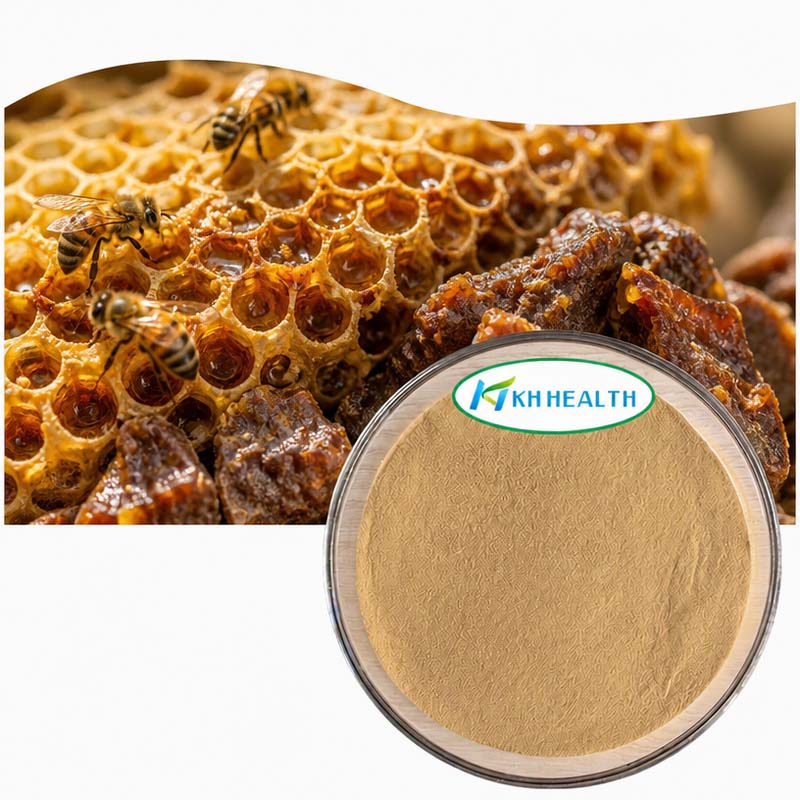
Propolis is a resinous material that honeybees produce by collecting plant bud exudates and resins, then mixing them with wax and their own secretions. Our propolis extract (total flavonoids 10%) is a natural bee-derived ingredient, produced from carefully selected raw propolis collected from poplar trees. Raw propolis is harvested from pollution-free apiary regions, strictly screened to remove impurities, beeswax, and foreign debris before ethanol extraction, vacuum concentration, and spray drying.
Propolis extract is a yellow-brown to dark brown fine powder with a characteristic resinous, slightly balsamic odour and a bitter, astringent, mildly numbing taste.
Product benefits
1. Antioxidant activity
Propolis is among the most antioxidant-rich natural materials tested by the standard assays (DPPH, ABTS, FRAP). This is the best-supported property at the in vitro level, and it is also the property most easily over-read: a strong DPPH result in a test tube does not establish an antioxidant effect in a finished capsule after digestion.
2. Oral health
This is where the human data is most developed, and it is the channel most of our supplement customers serve.
A systematic review with meta-analysis of propolis as an adjunct to periodontal therapy found that subgingival irrigation with hydroalcoholic propolis extract reduced probing pocket depth by a mean of 0.67 mm compared with placebo across three eligible randomized studies.
3. Glycemic support
Pooled randomized trials in type 2 diabetes report fasting glucose reductions of roughly 13–17 mg/dL and HbA1c reductions of roughly 0.4–0.6 percentage points. A secondary finding in the same body of work is a systolic blood pressure reduction of about 5.6 mmHg with no diastolic change. Effects are real but modest, and composition varies substantially by geographic source — results from one propolis type do not necessarily transfer to another.
4. Oral mucositis
A meta-analysis of 5 randomized trials of propolis mouthwash during cancer therapy reported the odds of severe oral mucositis reduced to approximately OR 0.35. This is a specific, well-defined use case in oncology supportive care.
5. Upper respiratory symptoms
A single randomized trial (n = 122) of a standardized poplar-propolis oral spray reported faster remission of uncomplicated upper respiratory symptoms by day 3. One trial is a preliminary signal, not an established effect, and we label it accordingly.
6. Recurrent mouth ulcers
A 10-trial systematic review suggests faster healing and less pain and relapse in recurrent aphthous ulcers, but the certainty of that evidence is rated very low. This is the claim most often presented in consumer marketing as settled. It is not.
7.Antimicrobial activity
Propolis has demonstrated activity against bacteria and fungi in culture, including oral pathogens. .
Product applications
Immune-Support Supplements
Consumers increasingly seek natural, bee-derived ingredients in immune-support and seasonal-wellness supplements, driving demand for standardized propolis.
The standardized powder blends cleanly into capsules, tablets, and powder blends at formulation-specific doses, with flavonoid content held consistent from lot to lot.
Oral Health (Toothpaste, Mouthwash & Lozenges)
Oral-care brands are adding botanical actives such as propolis to toothpastes, rinses, and throat lozenges to support natural positioning.
Propolis extract disperses into paste and rinse systems and blends into lozenge matrices; we supply documentation on microbial and heavy-metal safety required for oral-care raw materials.
Antioxidant Food & Personal Care
Food and personal-care formulators look for natural antioxidant ingredients with a recognizable origin story and documented marker content.
The flavonoid-rich extract can be incorporated into functional food, beverage, and cosmetic formats where propolis is permitted, delivering antioxidant positioning.
Why choose us?
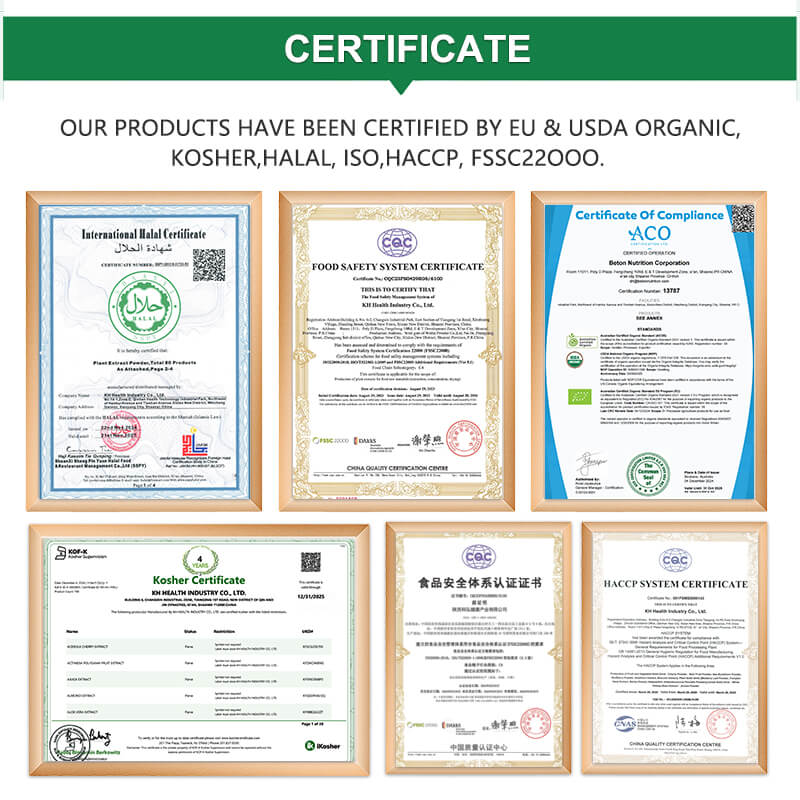
Full document package: COA, SDS, certification copies, specification sheet, traceability file for import registration.
Technical team support: Formulation suggestions, dosage guidance, regulatory documentation consultation for EU & US market.
Bulk stable supply: Factory direct production, monthly production capacity up to several tons, flexible MOQ.
Quality guarantee: Re-test support for quality disputes within shelf life.
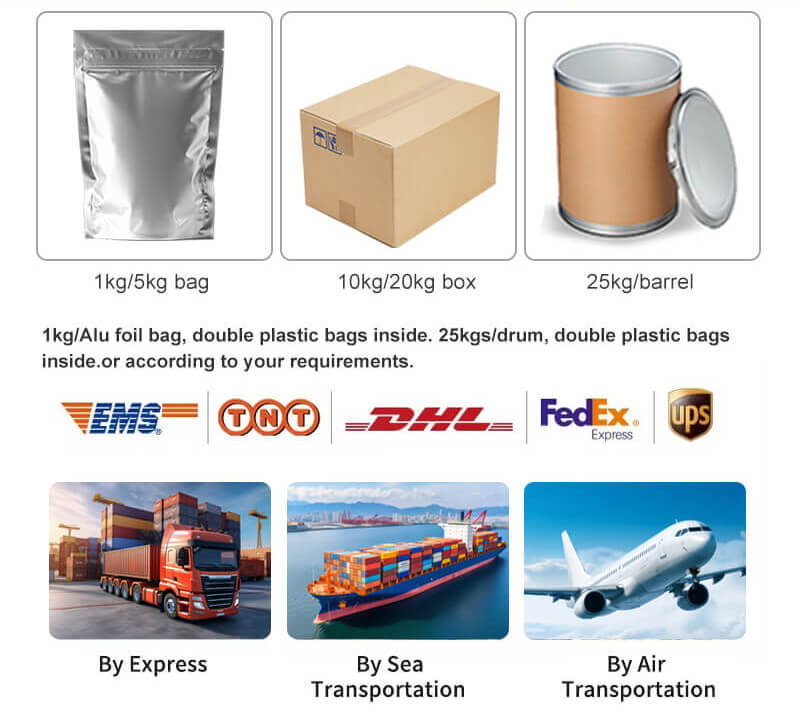
Shipping options: FOB / CIF / DDP terms, export packaging fit sea & air shipment.
case study
Case 1: EU dietary supplement brand
Our 10% total flavonoids propolis extract was used for immune support capsule series. We supplied 2 tons/month stable bulk supply, provided full COA, heavy metal and microbial reports for their EU notification. The customer completed product launch and repeated orders for over 3 years.
Case 2: US oral care manufacturer
Used our propolis extract in natural toothpaste formula. We offered small trial batch (10kg) for R&D formulation test, supported custom particle size adjustment, and passed their third-party QA audit.
Case3: Korean cosmetic brand. Applied this extract into soothing repair serum. We provided sample batches for stability testing and supported documentation for cosmetic ingredient registration.
fAQ
Q1. Two suppliers both quote 10%. Why are the prices so different?
Because the number can be built three different ways: rutin-equivalent vs quercetin-equivalent basis, GB/T 24283-2009 vs 2018 method, and different propolis-content grades with different carrier loads. Ask for the specification basis — method, edition, reference standard, propolis content, and carrier — before treating two quotations as comparable.
Q2. Is your extract water-soluble?
Native propolis resin is not water-soluble. We supply an ethanol-soluble grade and a water-dispersible grade produced on a carrier. If your system is aqueous, ask for the dispersible grade and test dispersion and sedimentation in your own matrix rather than assuming solubility.
Q3. How do I verify the material is genuine propolis and not poplar bud extract?
Request the HPLC chromatogram or fingerprint and ask which authentication method is applied. A published discriminator uses the ratio of (9-oxo-ODE + 9-oxo-ODA) to pinobanksin: genuine poplar-type propolis samples tested below 0.7, while 5 of 15 commercial products exceeded it. A total-flavonoid percentage cannot make this distinction.
Q4. Can we put an immune or antioxidant claim on our EU label?
No authorized EU health claim exists for propolis; EFSA evaluated the submitted claims and found no established causal link. Claim permissions differ by market — Canada and South Korea, for example, permit specific propolis claims that the EU does not. We provide the documentation for whichever market you are filing in.
Q5. What residue testing should we require at incoming inspection?
Beyond the four heavy metals, require the acaricide panel — coumaphos, amitraz, tau-fluvalinate, flumethrin — plus chloramphenicol, tetracycline antibiotics, and pesticide residues. These are specific to hive-produced material and are the most common gap in customer inspection plans for bee-derived ingredients.
Q6. Which CAS number should be on our documentation?
9009-62-5 is the commonly specified CAS for propolis; 85665-41-4 (ECHA 288-130-6) is a distinct registry entry for the waxy fraction, Propolis, ext. We state which entry our documentation uses, and we can explain any difference between our sheet and your COA.
For any questions or assistance regarding bulk propolis extract total flavonoids 10% powder, feel free to contact us via:
Email: sales@kh-health.com
WeChat: +86 13096987266
WhatsApp: +86 18792880979
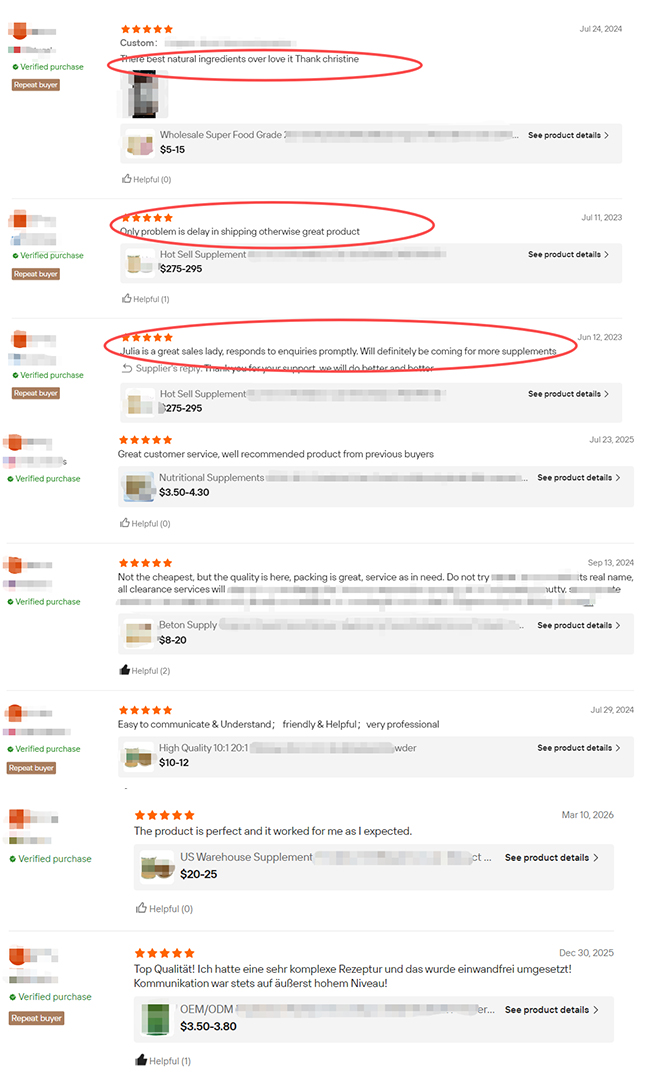
Customers' Feedback
Customers' Feedback
Inquire Now!
If you have any needs, please feel free to contact me and I will be happy to serve you.