
 +86 13096987266



Where to Buy 98% Genistein Sophora Japonica Extract in Bulk
2026-08-25
If you are sourcing genistein for a dietary supplement line, a nutraceutical formulation, or an OEM production run, the question is rarely "is genistein worth using" — it is where to buy 98% genistein Sophora japonica extract in bulk without compromising specification, traceability, or supply reliability. This guide walks procurement and R&D teams through what the specification means, which quality checks actually matter, and what a complete bulk sourcing process should look like.
What Is Sophora Japonica Extract with 98% Genistein?
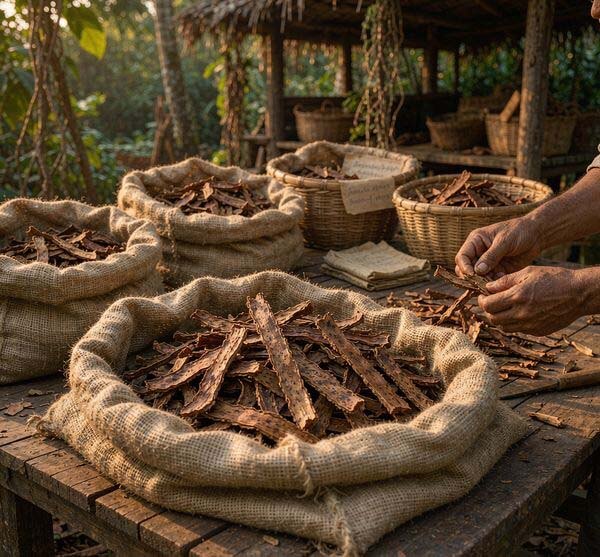
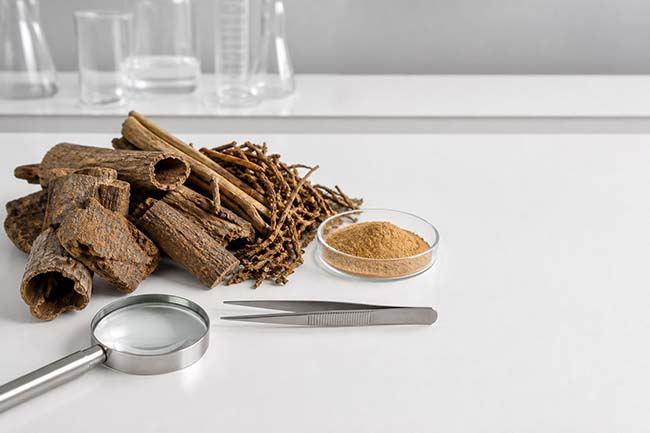
Sophora japonica (Japanese pagoda tree) is one of the most common commercial sources of genistein, an isoflavone aglycone widely used in dietary supplement and nutraceutical formulations. In the extract industry, the specification "98% genistein" means the product is standardized so that genistein content is no less than 98% when measured by HPLC.
Two specification details worth clarifying with any supplier before ordering:
- Genistein vs. genistin. Genistein is the aglycone (the active form without the sugar moiety); genistin is the glycoside form. A "98% genistein" extract is quantified as aglycone, which changes dosage calculations and formulation behavior. Always confirm which form the assay reports.
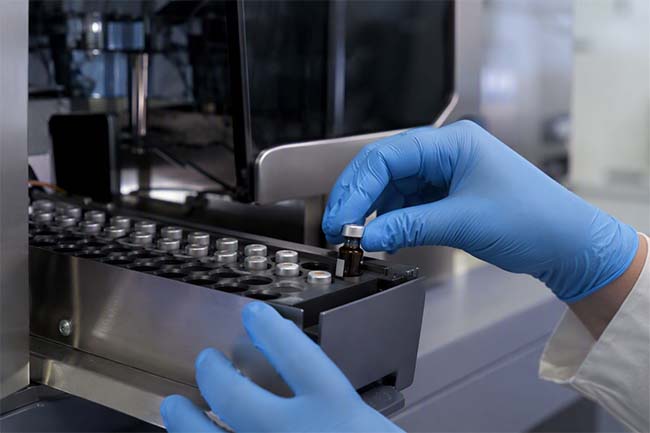
- Assay method. HPLC is the industry-standard method for isoflavone quantification. The COA should state the method, the reference standard used, and the batch-specific result — not just a printed "98%".
Why Specification Matters: What "98% Genistein" Really Means for Your Product
A purity claim is only meaningful if it is reproducible batch after batch. For B2B buyers, specification consistency affects three things directly:
- Formulation accuracy. Your label claim and dosage per unit are calculated from the assayed genistein content. Batch-to-batch drift in purity means dosage drift in finished products.
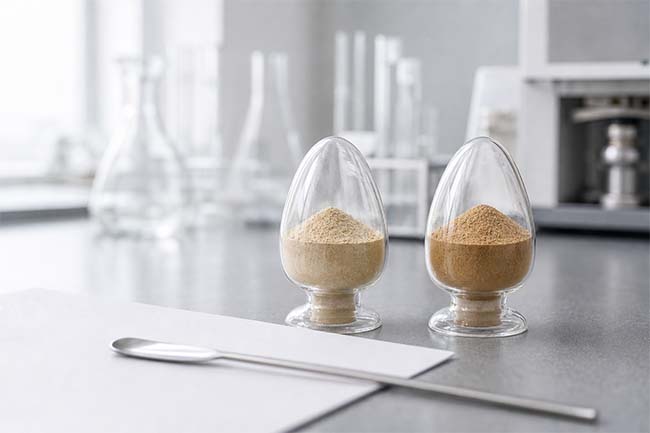
- Dosage form behavior. Powder characteristics — particle size, bulk density, flowability — influence whether an extract performs well in capsules, tablets, or powder blends. Ask for these data points, not just purity.
- Compliance readiness. Finished-product regulators and retailers increasingly ask for the full specification history of the active ingredient. A supplier who cannot document each batch's assay, residual solvents, heavy metals, and microbiology creates risk further down your supply chain.
Quality Checks to Run Before You Commit to a Supplier
Before placing a bulk order, request and review these documents from every shortlisted supplier:
- Certificate of Analysis (COA) per batch. Content assay with HPLC, plus appearance, loss on drying, residual solvents, heavy metals (lead, arsenic, cadmium, mercury), and microbial limits. A COA that only lists assay is not complete.
- Third-party testing. An independent lab report for at least the key parameters (assay and heavy metals) gives an objective check on the manufacturer's own data.
- Batch traceability. Confirm that each batch number traces back to raw material lot, production date, and QC records. This matters if an issue ever surfaces downstream.
- Sample testing on your side. Run your own incoming inspection or send the sample to your lab before scaling up. A few hundred dollars of testing is cheaper than a rejected production run.
A pragmatic rule used by experienced buyers: the COA is a starting point, not a guarantee. Verify the critical parameters yourself at least once per new supplier.
Red Flags to Avoid When Sourcing Genistein Extract
- Vague specification sheets. No assay method, no batch number, no production date.
- Purity claims without supporting data. "99% genistein" at a suspiciously low price usually means the assay was never actually run — or the reference standard was not genistein.
- No documentation in English. Regulatory and retail customers will request English-language documentation; if the supplier cannot produce it at the inquiry stage, expect friction later.
- Trade re-sellers presenting as manufacturers. A reseller can still be a good partner, but ask directly: are you the manufacturer or a trader? If you need audit rights, batch records, or custom specifications, direct factory relationships are easier to manage.
- Pressure to commit without samples. Any supplier that pushes for a large PO before providing a sample and COA should be treated with caution.
What a Reliable Supplier Should Provide (Documentation Checklist)
For a professional sourcing decision, expect the following from a manufacturer of 98% genistein Sophora japonica extract:
Bulk Ordering Process: Step by Step from Inquiry to Delivery
A professional bulk sourcing flow looks like this:
- Inquiry with a clear spec. State your target purity (e.g., 98% genistein by HPLC), dosage form, quantity, and destination country.
- Sample and COA request. Evaluate the sample against your own quality parameters before committing.
- Commercial proposal. Confirm unit pricing, MOQ, packaging, lead time, and payment terms in writing.
- Production and QC. The manufacturer produces your batch and releases it only after passing in-house QC and (where agreed) third-party testing.
- Shipping and documentation. Arrange freight with complete export documents; verify incoterms match your logistics plan.
- Incoming inspection. Re-check the delivered batch against the COA and your own lab results on arrival.
MOQ, Pricing, and Lead Time: What to Prepare Before You Ask
Pricing for genistein extract is driven by purity level, order volume, packaging, and market supply conditions — which is why there is no meaningful "list price" to quote here. What you can do to get accurate quotes fast:
- Provide a realistic annual or per-order volume.
- Clarify whether you need custom particle size, packaging, or labeling.
- Ask about lead time for sample vs. production batches separately.
- Ask about re-order consistency: can the supplier hold the same specification for repeat orders?
Formulation Support: Working with a Factory on Your Product Spec
A manufacturer that understands formulation can save your R&D team significant time. Useful questions to ask:
- Can you supply genistein in a form suitable for capsule, tablet, or powder-blend applications?
- Do you provide technical documentation that supports your label claims?
- Can you support custom specification or third-party testing arrangements for your target market?
Formulation-specific support — from particle size adjustment to documentation for registration — is a legitimate differentiator between a transactional supplier and a true manufacturing partner.
Frequently Asked Questions
What is the difference between genistein and genistin? Genistein is the aglycone (sugar-free) form of the isoflavone; genistin carries a glucose moiety. Extracts standardized to "98% genistein" are assayed as aglycone, so always confirm the assay basis with the supplier.
What does "98% genistein" mean, and how is it tested? It means genistein content is at least 98% of the extract when measured by HPLC, typically against a certified reference standard. The COA should show the batch-specific result and method.
Can I request a sample and COA before ordering? Yes. Standard practice in this industry is to provide samples with the corresponding COA so buyers can run their own verification before committing to bulk quantities.
What is the typical MOQ for bulk orders? MOQ varies by manufacturer and specification. State your volume target in the inquiry and request the supplier's MOQ and pricing tiers in writing.
Do you support custom specifications for formulations? Many manufacturers can adjust particle size, packaging, and documentation packages for specific formulation or market requirements. Confirm availability and lead time during the inquiry stage.
How to Get Started
Sourcing 98% genistein Sophora japonica extract in bulk comes down to three disciplines: verify the specification, check the documentation, and test the sample before scaling up. A supplier who can answer the questions in this guide with batch-specific data and samples is a supplier worth putting on your shortlist.
If you are evaluating suppliers for genistein or other isoflavone extracts, request a sample and COA — and run your own verification before your first bulk order.
Hui Ding 16 years in botanical extraction
Scientifically reviewed by the :KH Health Quality Assurance Team (ISO-certified facility)
Published: January 15, 2026 · Updated: August 28, 2026