
 +86 13096987266




What does dihydroberberine do for the body?
2026-06-01
If you’re researching natural active ingredients for wellness or simply curious about plant-based nutrients, you may have asked: what does dihydroberberine do for the human body? After years of working with botanical extracts and formulating natural health ingredients, I’ve studied this compound extensively. Today, I will walk you through its core health benefits, working mechanisms, practical usage in daily wellness, and its full range of industrial applications for formulators, product developers and bulk buyers.
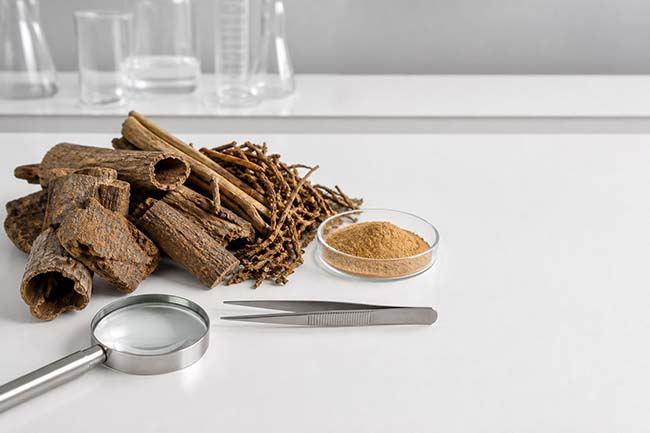
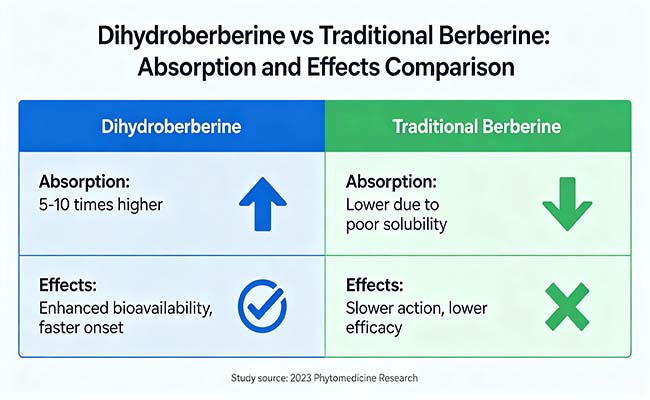
Dihydroberberine is a bioactive alkaloid derived from traditional medicinal plants such as goldenseal and barberry. It is a derivative of berberine, yet it carries distinct advantages in bioavailability and gentleness for human bodies. Unlike many herbal ingredients that show limited absorption, dihydroberberine can be better absorbed by the gastrointestinal tract, which allows it to deliver stable effects throughout the body.
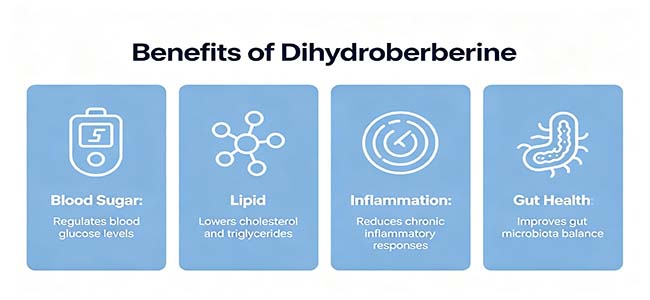
First of all, let’s talk about its most well-documented benefit: supporting healthy blood sugar metabolism. Many people turn to this ingredient to maintain balanced blood glucose levels. It works by improving insulin sensitivity, helping cells respond properly to insulin and reducing excess glucose accumulation in the bloodstream. For those concerned about metabolic imbalance, this function makes dihydroberberine a popular choice for daily wellness support. It does not cause dramatic fluctuations, but delivers gradual and steady regulation for long-term metabolic health.
Secondly, dihydroberberine helps optimize blood lipid profiles. Multiple studies have proven that it assists in maintaining healthy cholesterol and triglyceride levels within the normal range. Combined with its metabolic regulating properties, this compound offers comprehensive protection for cardiovascular wellness. What impresses me most is that it works in a mild way, suitable for long-term daily use for most adults.
Thirdly, it possesses natural anti-inflammatory properties. Chronic low-grade inflammation is linked to many sub-health issues. Dihydroberberine can modulate the body’s inflammatory response, easing persistent mild inflammation and supporting overall physical comfort. Meanwhile, it also nurtures gut health. It helps balance the gut microbiome, regulates intestinal environment, and relieves occasional digestive discomfort. A healthy gut is the foundation of whole-body health, so this dual effect makes the ingredient very versatile.
Compared with regular berberine, dihydroberberine has another obvious merit: fewer gastrointestinal side effects. Standard berberine may cause stomach upset for sensitive users, but dihydroberberine’s improved molecular structure minimizes such irritation. Its higher bioavailability also means a lower effective dosage can reach the same wellness results, which is a key advantage both for end consumers and product formulators.
Beyond its health benefits for individual users, dihydroberberine has become a star raw material in the global health product industry. As a supplier specializing in botanical extracts, I often communicate with formulators and brand developers, so I will share practical industrial information including application scenarios, recommended addition ratios, compatible formula systems and mainstream purity specifications.
Industrial Application Scenarios
Dihydroberberine is widely applied in four major categories of finished products:
Dietary Supplements: This is its largest application field. It is made into standalone capsules, tablets and softgels focused on metabolic support, blood sugar management and cardiovascular care. It is also blended into complex multi-ingredient supplements targeting sub-health groups.
Functional Beverages: Low-dose dihydroberberine is added to plant-based functional drinks, wellness teas and concentrated liquid beverages. It fits the trend of sugar-free, natural functional drinks favored by modern consumers.
Functional Health Foods: It can be incorporated into energy bars, meal replacements, baked health foods and granule formulations. It is stable under normal food processing conditions and will not lose core activity easily.
Herbal Formulations & Traditional Botanical Blends: It is combined with other plant extracts such as berberine, bitter melon extract and cinnamon extract to create compound herbal formulas, inheriting the concepts of natural herbal wellness.
Recommended Addition Ratios
Based on industry production experience and safety standards, here are the commonly used addition proportions for reference:
Dietary supplements (capsules/tablets): 200mg – 500mg per daily serving
Functional beverages: 10mg – 50mg per 500ml bottle
Functional solid foods: 50mg – 150mg per single serving
Compound herbal formulas: Adjust proportionally according to other active ingredients, generally accounting for 5% to 15% of total active components
Compatible Formula Systems
Dihydroberberine has good physical and chemical stability, adapting to most mainstream formula systems:
Solid formulations: Fully compatible with starch, microcrystalline cellulose and other common excipients; suitable for dry granulation and direct tableting processes.
Liquid formulations: Soluble in ethanol-water mixed systems; stable in weak acid and neutral liquid environments, not recommended for strong alkaline formulas.
Compound blends: Can be matched with water-soluble plant extracts, vitamins and mineral ingredients without obvious antagonistic reactions.
Mainstream Purity Specifications
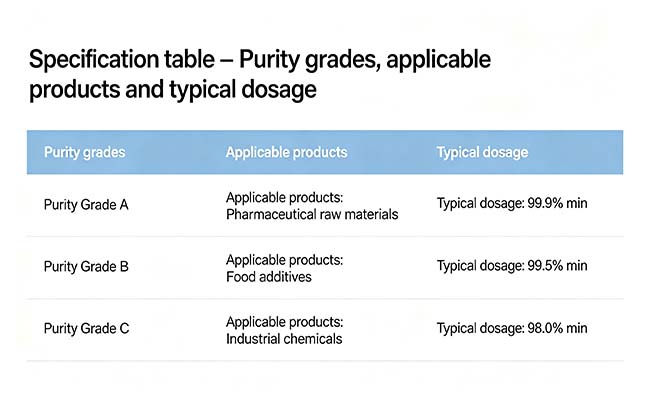
The market has formed standardized purity grades to meet different product positioning:
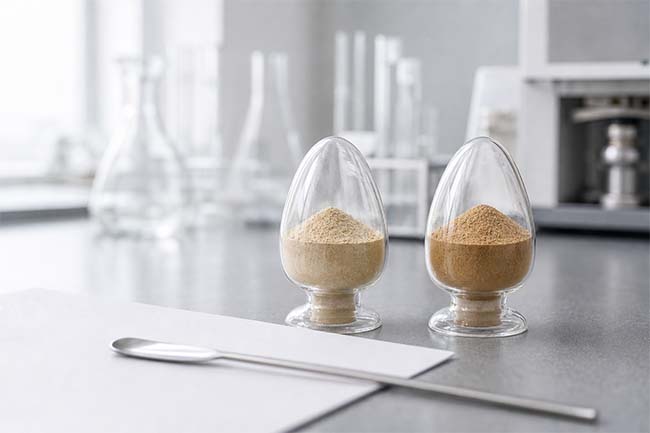
20% Dihydroberberine: Cost-effective, mainly used for low-to-medium-end functional foods and common beverages.
50% Dihydroberberine: Balances performance and cost, widely used in compound dietary supplements.
98% High-purity Dihydroberberine: Premium grade, applied to high-end single-ingredient supplements, professional health products and customized pharmaceutical intermediate formulas. High-purity material features fewer impurities and more stable efficacy.
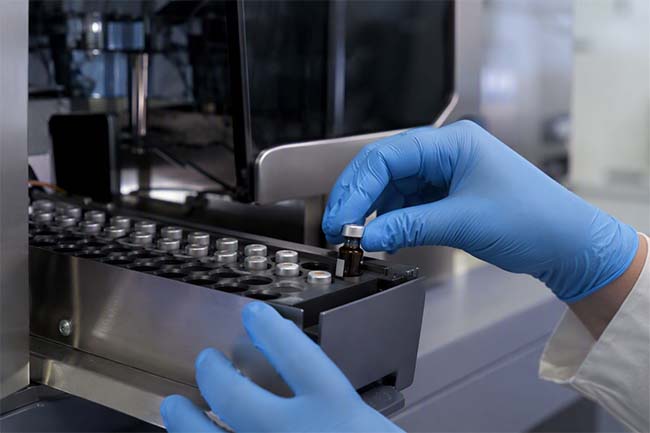
For brand owners, formulators and bulk purchasers, raw material quality and stable supply are always top priorities. Our factory provides dihydroberberine with full quality control throughout production. Every batch undergoes strict testing on heavy metals, microbial indicators and active ingredient content, with complete test reports available for each order.
We support bulk wholesale, private customization and formula technical guidance. Whether you need regular large-batch supply or customized purity, particle size and packaging solutions, our team can meet your requirements. We also provide professional technical support to help you optimize formulas and reduce production costs.
If you are looking for reliable dihydroberberine raw materials for product development or bulk procurement, feel free to send us an inquiry. We will offer detailed quotations, sample support and one-stop service to assist your product launch.
References
Healthline. Berberine and Its Derivatives: Health Benefits, Dosage and Safety. https://www.healthline.com
National Center for Biotechnology Information (NCBI). Pharmacological Effects of Dihydroberberine. https://www.ncbi.nlm.nih.gov
WebMD. Natural Botanical Alkaloids for Metabolic Health. https://www.webmd.com
Journal of Ethnopharmacology. Bioavailability Comparison Between Dihydroberberine and Berberine.
Hui Ding 16 years in botanical extraction
Scientifically reviewed by the :KH Health Quality Assurance Team (ISO-certified facility)
Published: January 15, 2026 · Updated: August 28, 2026