
 +86 13096987266


What Does Apigenin Do for Your Body?
2026-09-01

We are a plant-extract ingredient supplier, and the question our formulator and procurement clients ask most is deceptively simple: "What does apigenin do for your body?" As a B2B buyer, you do not just want a feel-good answer — you want to know how it works, where it fits in your formula, and whether the supplier behind it is credible. This guide is written for exactly that.
Short answer: Apigenin acts mainly through four pathways — it gently calms the nervous system via GABA-A receptors, preserves cellular energy by inhibiting the CD38 enzyme that breaks down NAD⁺, reduces inflammation through NF-κB/NLRP3 and COX-2, and activates antioxidant defenses via the Nrf2 pathway. In practice, that translates into skin-soothing, calm-and-recovery, and anti-aging support across cosmetic, nutraceutical and pet-nutrition products.
What Is Apigenin?
Apigenin (CAS 520-36-5) is a flavone — a subclass of flavonoids — with the molecular formula C₁₅H₁₀O₅ and molecular weight 270.25. Chemically it is 4′,5,7-trihydroxyflavone. It occurs naturally in many plants, but the richest and most commercially relevant sources are chamomile (Matricaria chamomilla), parsley and celery. In chamomile flowers apigenin can make up a large share of total flavonoids; in parsley it reaches roughly 215 mg per 100 g and in celery about 19 mg per 100 g.
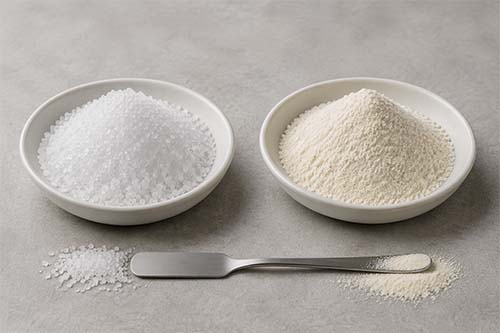
In nature apigenin is usually present as a glycoside (sugar-bound), whereas the isolated, supplement-grade form is the aglycone. That distinction matters enormously for formulation — and we return to it below.
How Apigenin Works in the Body — The Core Mechanisms
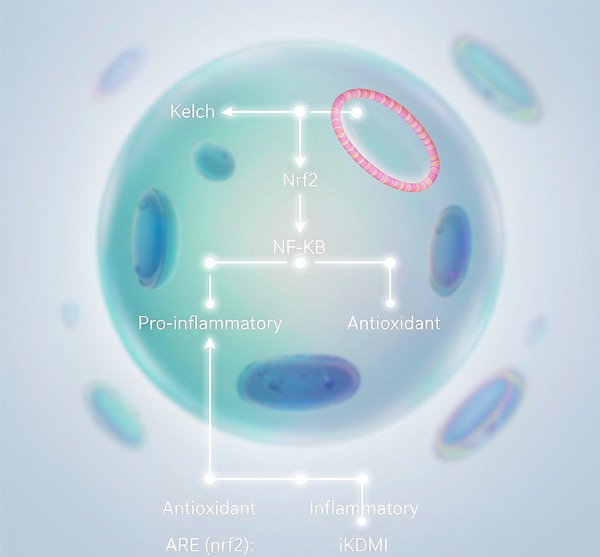
1. Calming the Nervous System (GABA-A & BDNF)
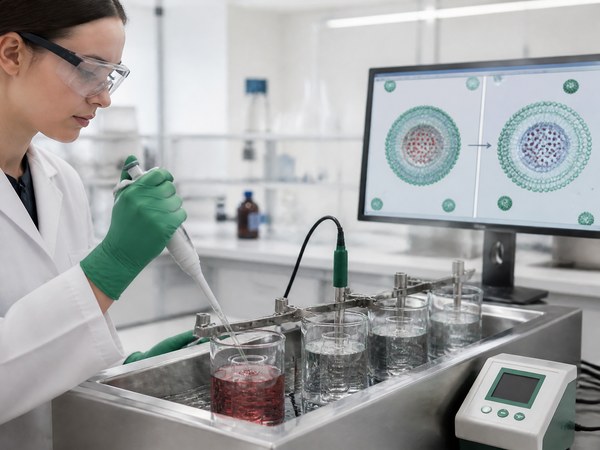
Apigenin binds to the benzodiazepine site on GABA-A receptors as a positive allosteric modulator. Unlike pharmaceutical sedatives, it shows only partial agonism, which is why preclinical work links it to relaxation with lower sedation liability. It also binds BDNF — a protein that builds and maintains neurons — amplifying neurite outgrowth. In cell studies, the combination of apigenin and BDNF increased dendritic branching, a plausible basis for its "calm and focus" positioning in supplements.
2. Preserving Cellular Energy (CD38 Inhibition → NAD⁺)
NAD⁺ is a molecule cells use for energy metabolism and DNA repair, and its level declines with age partly because the enzyme CD38 consumes it. Apigenin is a documented CD38 inhibitor: laboratory and animal studies show a dose-dependent rise in intracellular NAD⁺, and the effect disappears in CD38-knockout models — confirming the mechanism is specific. This is the scientific hook behind apigenin's "cellular health" and healthy-aging claims.
3. Taming Inflammation (NF-κB, NLRP3, COX-2)
Apigenin suppresses key inflammatory signaling: it inhibits NF-κB and MAPK/ERK activation, lowers COX-2 (the same enzyme targeted by ibuprofen), and dampens the NLRP3 inflammasome, reducing IL-1β and IL-18 release. Notably it is selective rather than broadly immune-suppressing — a useful safety story for cosmetic and ingestible applications.
4. Antioxidant Defense (Nrf2 Pathway)
Beyond directly scavenging reactive oxygen species, apigenin upregulates the Nrf2 pathway, switching on the cell's own antioxidant defenses. This underpins its value in fighting photo-aging and oxidative stress in skin and beyond.
Why this matters for B2B: One molecule, four credible mechanisms. That is what lets a single ingredient serve cosmetic, nutraceutical and pet-nutrition briefs — provided the formulation solves its well-known weakness: bioavailability.
What Apigenin Does Across Three B2B Applications
Cosmetic & Skincare — Antioxidant, Anti-Inflammatory, Photoaging & Barrier
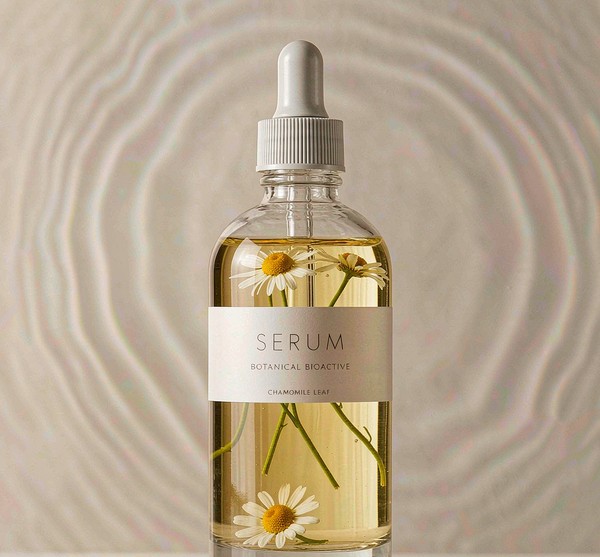
For cosmetics, apigenin's pitch is straightforward: neutralize free radicals, calm redness, and help preserve collagen by inhibiting matrix metalloproteinases (MMPs). It also shows tyrosinase-inhibiting activity, supporting brightening claims, and supports the skin barrier against environmental stress. We supply a cosmetic-grade, HPLC ≥98% chamomile-derived apigenin suitable for serums, creams and after-sun formats.
Nutraceuticals & Functional Food — NAD⁺ Support & Calm/Sleep Blends
In supplements, apigenin is formulated for "calm and recovery" and healthy-aging stacks. It is frequently combined with L-theanine, magnesium or melatonin-free sleep blends. A practical note we always share with clients: the popular "50 mg apigenin" dose is borrowed from chamomile-extract studies, and the human sleep data for isolated apigenin remains limited — so claims should stay within structure/function language and avoid over-promising.
Pet Food & Animal Nutrition — Antioxidant & Anti-Inflammatory for Senior Pets
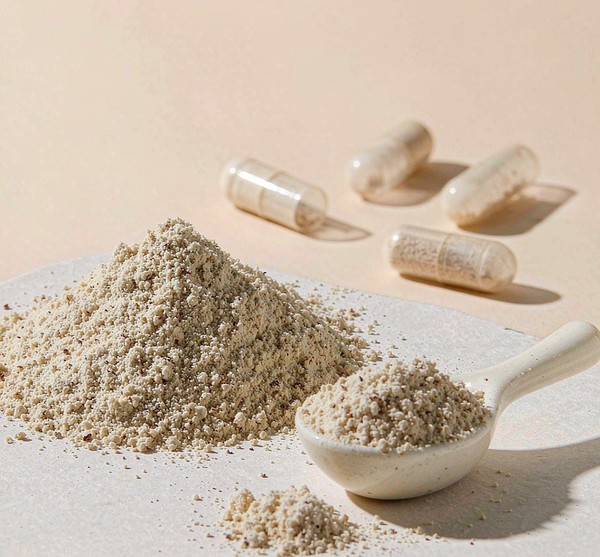
The same antioxidant and anti-inflammatory actions that help humans are attracting interest in senior-pet nutrition — joint comfort, healthy aging and oxidative-stress support. We flag this honestly: these uses are based on preclinical and extrapolated data, not species-specific AAFCO feeding trials. Any pet-food application should be validated with a qualified nutritionist and confirmed against local feed regulations before launch.
The B2B Reality — Bioavailability, Stability & Delivery
This is where many apigenin projects stall, and where a good supplier earns their fee.
Why Isolated Apigenin Is Unstable
In its isolated aglycone form, apigenin is poorly water-soluble and unstable. Studies measuring pure apigenin in humans report urinary recovery of only about 0.5% — most of the dose is never used. Sugar-bound forms from chamomile absorb far better (reported recovery near 34%). For a formulator, the raw powder alone is rarely enough.
Delivery Solutions We Engineer
That is why we help clients choose the right delivery system: liposomal, nanoemulsion, phytosome or enteric-coated formats that improve solubility, stability and tissue delivery. Selecting the right format is often the difference between a claim that works and one that sits on the shelf. Our technical team advises on selection during formulation, not just at the quoting stage.
How We Supply Apigenin — B2B Specs & Quality
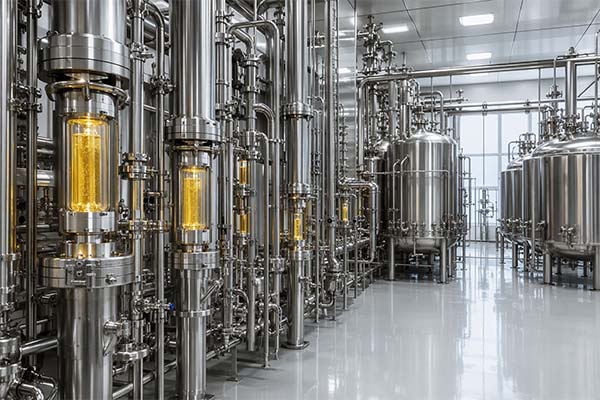
As a manufacturer, we treat specifications as a trust document, not a marketing line. Below are our typical specifications for chamomile-derived Apigenin Powder (final values are always confirmed by the batch COA).
| Parameter | Our Specification (typical) |
|---|---|
| Product / CAS | Apigenin · CAS 520-36-5 |
| Purity | HPLC ≥ 98% |
| Plant source | Chamomile (Matricaria chamomilla) |
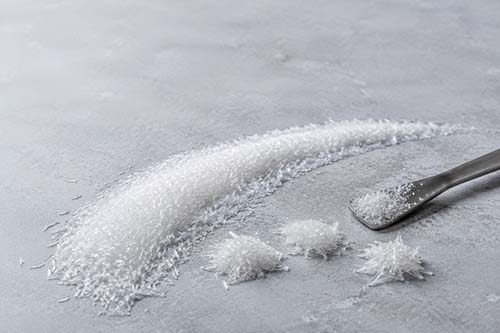
| Appearance | Yellow fine powder |
| Molecular formula | C₁₅H₁₀O₅ (MW 270.25) |
| Solubility | Poor in water; improved by liposomal/nano delivery |
| Heavy metals | Pb ≤ 1 ppm by ICP-MS; As/Cd/Hg per USP/EP |
| Microbial limits | Total plate ≤ 1000 cfu/g; E. coli / Salmonella / S. aureus absent |
| Particle size | 80–100 mesh |
| Shelf life | 24 months (sealed, cool, dark) |
| Packaging | 1 kg aluminum-foil bag; 25 kg fiber drum |
| MOQ | Flexible — from sample to ton-scale |
| Certifications | GMP · ISO · HALAL · KOSHER |
| Documents | COA, TDS, MSDS per batch; third-party HPLC available |
Market Outlook 2025–2034
For buyers planning SKUs, the direction is encouraging. Published market research values the global apigenin market at about US$0.4 billion in 2025, projected to reach roughly US$0.71 billion by 2034 at a CAGR of ~6.8% (nutraceuticals already the largest segment at ~42%, Asia-Pacific the leading region). The higher-value biosynthesis and "natural anti-inflammatory" segment is growing even faster, with some analysts citing a CAGR near 10.9%. Translation: demand for verified, well-delivered apigenin is rising — and so is scrutiny on proof of quality.
Frequently Asked Questions
What does apigenin actually do in the body?
Mainly four things: calms the nervous system via GABA-A, preserves NAD⁺ by inhibiting CD38, reduces inflammation via NF-κB/NLRP3/COX-2, and activates antioxidant defenses via Nrf2.
Is isolated apigenin stable and well absorbed?
In aglycone form it is unstable and poorly absorbed (urinary recovery ~0.5%). Chamomile-bound forms absorb better, and liposomal/nano/phytosome delivery improves performance.
Can apigenin be used in pet food?
Its antioxidant and anti-inflammatory profile fits senior-pet nutrition, but evidence is preclinical/extrapolated — validate with a nutritionist and local feed rules before launch.
What specs should a B2B buyer check?
HPLC purity (≥98%), CAS 520-36-5, source, heavy metals by ICP-MS, microbial limits, batch COA/TDS/MSDS, and GMP/ISO/HALAL/KOSHER certifications.
References & Authoritative Sources
Biology Insights — What Does Apigenin Do? Benefits, Dosage & Safety (GABA-A, BDNF, CD38/NAD⁺, NLRP3)
Examine.com — Apigenin Supplement (aglycone vs glycoside, stability, bioavailability, safety)
Science Insights — What Is Apigenin Supplement? Benefits and Safety (0.5% urinary recovery, sleep clinical data)
SCbiochem — Apigenin – Anti Aging New Power (mechanisms, cosmetic & market applications)
Pepguide — Apigenin (molecular mechanisms and cited PMIDs)
Market Intelo — Apigenin Market Research Report 2034 (US$0.4B→0.71B, CAGR 6.8%)
24ChemicalResearch — Apigenin Chamomile Anti-Inflammatory Biosynthesis Scale Market (CAGR ~10.9%)
Angelbio — What is the best form of apigenin? (C14 isotope ID, ICP-MS, traceability)
Accio — China Apigenin Powder supplier evaluation guide (B2B spec & compliance checklist)
Hui Ding 16 years in botanical extraction
Scientifically reviewed by the :KH Health Quality Assurance Team (ISO-certified facility)
Published: January 15, 2026 · Updated: August 28, 2026