
 +86 13096987266


What Are TOA and POA Chemotypes in Cat's Claw Extract?
2026-09-30
We supply botanical extracts to supplement, food and cosmetic manufacturers, and cat's claw is one of the few ingredients where two buyers can order "5% total alkaloids" from two suppliers and receive materially different products. The reason is a pair of alkaloid families that behave very differently in the body — and that most certificates of analysis never separate. This guide explains what TOA and POA actually are, why the distinction changes your formulation, and what to demand in the specification.
Short answer: POA (pentacyclic oxindole alkaloids) and TOA (tetracyclic oxindole alkaloids) are the two structural families of oxindole alkaloids found in Uncaria tomentosa. POAs — pteropodine, isopteropodine, mitraphylline, isomitraphylline — are the group linked to immune modulation and enhanced phagocytosis. TOAs — rhynchophylline and isorhynchophylline — have their own neuroactive profile but have been shown to antagonise the POA effect. That is why a meaningful specification states POA content and TOA limits separately, not a single "total alkaloids" figure.
What Are Oxindole Alkaloids?
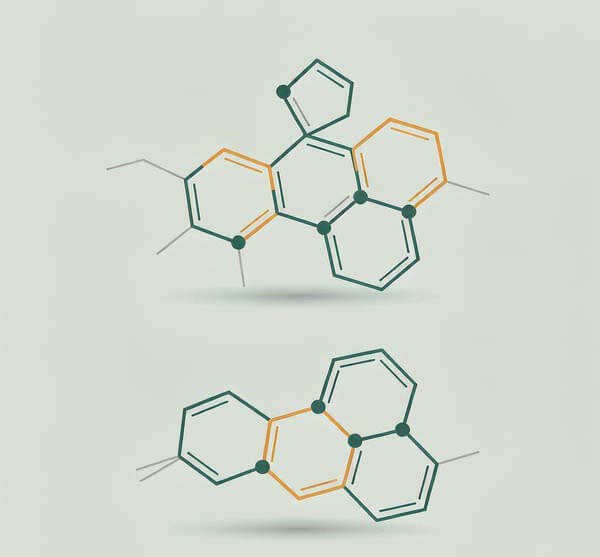
Cat's claw owes its pharmacological reputation to oxindole alkaloids — nitrogen-containing compounds built on an indole skeleton with an oxidised (oxindole) core. They are not a single substance but a family, and the family splits by ring architecture: skeletons with five fused rings (pentacyclic) and skeletons with four (tetracyclic). More than seventeen alkaloids have been identified in the plant, alongside quinovic acid glycosides, proanthocyanidins, sterols and triterpenes.
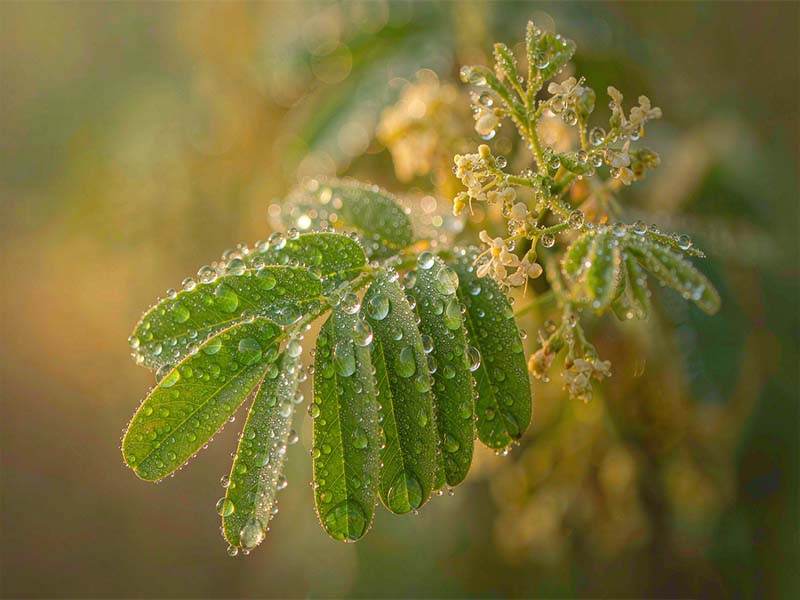
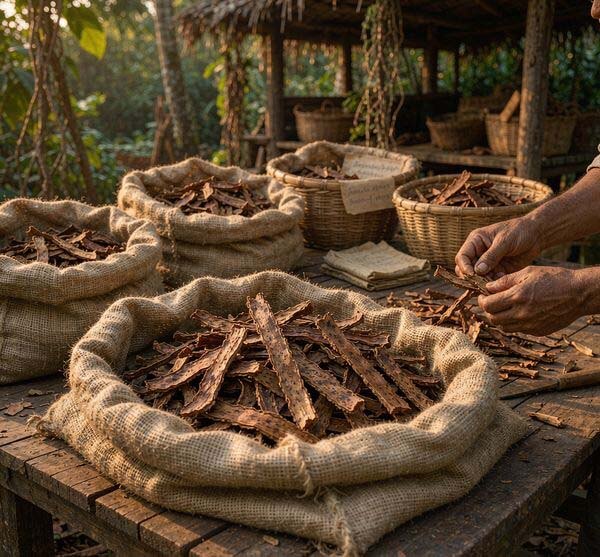
The botanical source matters here. The material of interest is the stem bark of Uncaria tomentosa (Rubiaceae), the Amazonian vine known as cat's claw, uña de gato or Peruvian vine. Because demand led to pressure on wild populations, industry practice has moved toward stem bark rather than root, and toward managed harvesting.
POA: The Pentacyclic Group
The pentacyclic oxindole alkaloids are the commercially important group. The best-known members are pteropodine, isopteropodine, mitraphylline, isomitraphylline and speciophylline (uncarine D). Their documented activity centres on innate immunity: in the German pharmacology work of the 1980s and 1990s by Wagner and colleagues, the pentacyclic oxindoles enhanced phagocytic activity of granulocytes and macrophages — immune cells engulfing pathogens — at nanomolar concentrations. Later reviews confirm the pattern across in vitro and in vivo models.
This is why cat's claw is described as an immunomodulator rather than a stimulant: the effect is a modulation of leukocyte activity and cytokine signalling, including inhibition of the NF-κB pathway that governs inflammatory gene expression.
TOA: The Tetracyclic Group
The tetracyclic oxindole alkaloids — principally rhynchophylline and isorhynchophylline, with corynoxeine-type compounds in related species — are structurally distinct and pharmacologically active in their own right, with neuroactive and cardiovascular research interest, including calcium-channel-related and blood-pressure effects. The same compounds appear prominently in the Asian Uncaria species used in traditional Chinese medicine.
For extract buyers the critical point is not that TOAs are "bad" — it is that their presence alongside POAs changes the product's behaviour.
Why the Ratio Matters: Alkaloid Antagonism
In the same body of pharmacology that established POA activity, the tetracyclic oxindoles rhynchophylline and isorhynchophylline were found to antagonise the phagocytosis-enhancing effect of the pentacyclic group — providing the scientific rationale for chemotype standardisation in immunomodulatory products.
This is the origin of the widely repeated guidance that you should look for POA-standardised, TOA-free or low-TOA material. It is a legitimate formulation principle, though the numbers often quoted in consumer content (for example, a fixed "1% TOA" cut-off) circulate without a clear primary source and should be treated as marketing shorthand rather than a pharmacopoeial limit. Ask for measured assay values, not thresholds from a blog.
Practical translation: if your product's reason for being is immune modulation, specify POA content and a TOA ceiling separately. A "total alkaloids" figure could be satisfied largely by tetracyclic alkaloids — a specification that passes QC while missing the intended function.
The Three Chemotypes of Uncaria tomentosa
Uncaria tomentosa is not chemically uniform. The literature describes three chemotypes: two in which pentacyclic oxindole alkaloids predominate (distinguished by cis/trans isomerism — for example, the presence of uncarine D / speciophylline), and one in which tetracyclic oxindole alkaloids such as rhynchophylline predominate. Chemotype is defined by which structure dominates, and it should be part of your specification discussion, not an afterthought.
A further complication: the oxindole alkaloids are diastereoisomers of one another. Standard extraction conditions can isomerise them — shifting the very peaks you are measuring. A reliable supplier or testing lab must use methods that avoid promoting isomerisation, otherwise a tetracyclic-dominant material can be misread as pentacyclic-dominant, or vice versa
Pharmacopoeial Thresholds You Can Specify
Cat's claw lacks a harmonised monograph across the main pharmacopoeias, which is precisely why specifications are inconsistent. The reference points worth knowing:
| Reference | What it establishes |
|---|---|
| Austrian Pharmacopoeia / German Drug Codex (DAC) | Cited as requiring POA ≥ 1.3% and TOA < 0.02% for medicinal-grade material — the strictest widely referenced benchmark |
| British Herbal Pharmacopoeia, Peruvian Pharmacopoeia, American Herbal Pharmacopoeia (AHP, 2001) | Monographs covering identity, quality and safety of U. tomentosa bark |
| French Decree of 24 June 2014 | Permits U. tomentosa in food supplements but requires monitoring of alkaloid content — one of the few explicit regulatory hooks |
| EMA community herbal monograph | Not published at the time of writing — confirm current status with your regulatory team |
Treat these as specification targets to verify against current editions, not as fixed law. A serious supplier will tell you which edition and method their numbers reference.
How to Verify: Testing and Documentation
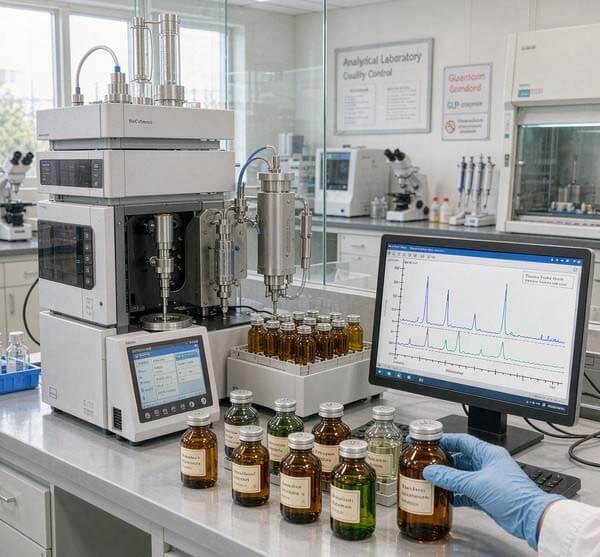
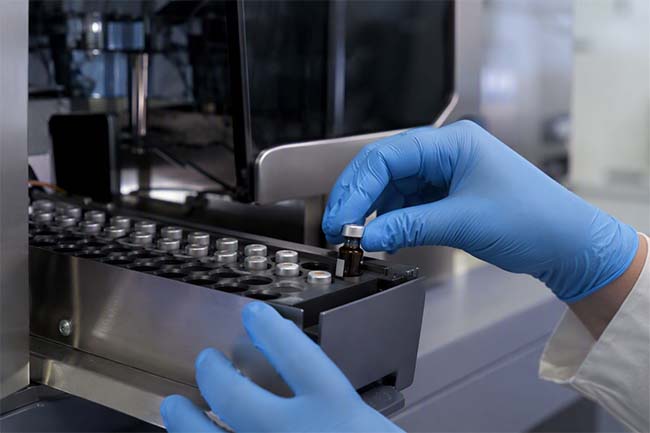
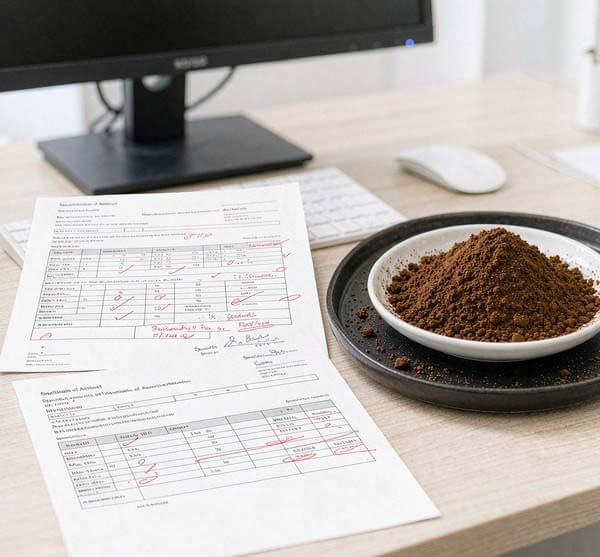
In practice, HPLC with authenticated reference standards is the method that distinguishes the groups. When you review a certificate of analysis, look for:
A lot-specific assay naming the marker compounds — isopteropodine, pteropodine, mitraphylline for the pentacyclic side — not just "total alkaloids by UV"
The chromatographic method, including how isomerisation was controlled during sample preparation
Individual TOA values (rhynchophylline, isorhynchophylline) rather than a combined figure
Species confirmation on the same profile — see below
An ISO 17025-accredited laboratory named on the report
The Species Trap: tomentosa vs. guianensis
This is the most consequential quality risk in the category. Two Amazonian vines — Uncaria tomentosa and Uncaria guianensis — are similar in morphology and bark appearance but have distinctly different alkaloid profiles: U. guianensis is dominated by tetracyclic oxindoles and lacks the pentacyclic immunomodulatory pattern. Both species are frequently harvested and traded together, and once the material is dried and milled, microscopic differentiation of bark fragments is unreliable.
HPLC fingerprinting against authenticated botanical references is the practical answer. If a supplier cannot show species-level identification tied to a reference standard, the "POA content" on the certificate is not anchored to anything.
Sourcing Checklist for B2B Buyers
 State the grade and the chemotype: extract ratio (5:1, 10:1, 20:1) or total alkaloid content plus a POA specification and a TOA ceiling
Require lot-specific HPLC data with marker compounds named and the method disclosed
Confirm species against authenticated U. tomentosa reference material
Ask about isomerisation control in both extraction and analysis — this separates technical suppliers from traders
Check documentation currency: certifications, SDS, and origin/traceability papers; Peruvian material moves under national resource rules and harvesting permits
Evaluate total cost-in-use, not price per kilogram: a low-cost extract that requires a higher dose to deliver the same POA intake is the more expensive input
Regulatory & Market Context
The commercial backdrop explains why verification is tightening. Analysts value the global cat's claw extract market at roughly USD 312 million in 2024, projected to reach USD 621 million by 2033 (about 8% CAGR) ; related estimates put the finished cat's claw supplement market at USD 1.38 billion in 2025, growing toward USD 2.67 billion by 2034 . North America remains the largest region, with Asia-Pacific the fastest-growing.
Two supply-side forces matter to procurement teams: tightening EU novel food and traceability requirements, which favour suppliers with documented, verifiable chains; and wild-harvest quota and sustainability constraints in Peru, which limit raw-material availability and make long-term qualified supply relationships more valuable than spot buying.
Frequently Asked Questions
What do TOA and POA stand for?
TOA = tetracyclic oxindole alkaloids (e.g. rhynchophylline, isorhynchophylline). POA = pentacyclic oxindole alkaloids (e.g. pteropodine, isopteropodine, mitraphylline, isomitraphylline). Both occur in Uncaria tomentosa, but the pentacyclic group carries the immune-modulating reputation.
Do TOAs reduce the effectiveness of POAs?
Yes — in pharmacological studies the tetracyclic oxindoles antagonised the phagocytosis-enhancing effect of the pentacyclic group. That finding is the rationale for supplying POA-standardised, low-TOA extracts for immunomodulatory use.
What POA and TOA levels should I specify?
The Austrian Pharmacopoeia and German Drug Codex are cited as requiring POA ≥ 1.3% and TOA < 0.02% for medicinal-grade material. Verify the current editions with your QA team, and always require a lot-specific HPLC assay rather than a datasheet range.
How is chemotype tested?
HPLC against authenticated reference standards. Because these alkaloids are diastereoisomers, the extraction and analysis steps must not promote isomerisation, or the results can be misread. Species identity should be confirmed on the same fingerprint.
Why does species matter?
U. tomentosa and U. guianensis are harvested and traded together, and their dried, milled barks are hard to tell apart microscopically. U. guianensis has a different alkaloid profile, so HPLC fingerprinting is the only reliable confirmation you are receiving tomentosa material.
References
Review: "Uncaria tomentosa as a Promising Natural Source of Molecules with Multiple Activities: Ethnomedicinal Uses, Phytochemistry and Pharmacology." International Journal of Molecular Sciences (2025/2026). mdpi.com/1422-0067/26/14/6758
BotaniCERT. "Uncaria tomentosa — Quantification of oxindole alkaloids, differentiation of POA / TOA." botanicert.com
mcPedia. "Cats Claw (Uncaria tomentosa) monograph." mcpedia.earth
Review: "Uncaria-derived compounds for cancer treatment: mechanistic insights and therapeutic potential." Medicinal Chemistry Research 34:517–534 (2025). link.springer.com
Research Intelo. "Cat's Claw Extract Market Research Report 2033." researchintelo.com
Data Insights Reports. "Cats Claw Supplements Market: 7.6% CAGR to 2034." datainsightsreports.com
MarkWide Research. "Uncaria Tomentosa Market Size, Share and Industry Trends Forecast 2026–2036." markwideresearch.com
Hui Ding 16 years in botanical extraction
Scientifically reviewed by the :KH Health Quality Assurance Team (ISO-certified facility)
Published: January 15, 2026 · Updated: August 28, 2026