
 +86 13096987266





Is dihydroberberine safe to take?
2026-06-04
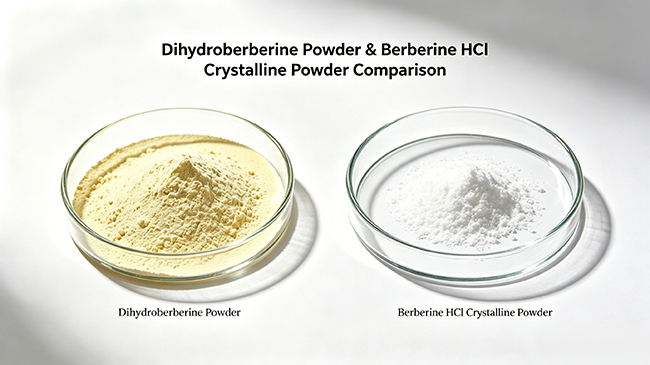
As a seasoned manufacturer specializing in berberine-series plant extracts, I receive endless inquiries every day from individual users and global supplement brand purchasers around one core question: Is dihydroberberine safe for regular oral intake? Many consumers switch from traditional berberine HCl to DHB to escape stomach discomfort yet worry about hidden safety risks; meanwhile, formulators and bulk buyers need authoritative safety data to finish product formula design and regulatory filing. To clear up widespread confusion, I organize this comprehensive safety guide covering toxicology tests, human clinical results, adverse reactions, drug interaction, population contraindications and raw material quality control, plus a direct comparison with berberine HCl for intuitive reference.
1. Toxicology Test Results of Dihydroberberine
Official acute and subchronic toxicology experiments deliver reassuring safety baseline of DHB. From published animal toxicity research, the oral LD50 value of dihydroberberine is far higher than conventional berberine HCl, which means extremely high intake is required to trigger toxic reactions in organs. Short-term repeated-dose feeding trials spanning 90 days confirm that standard supplementary dosage brings no irreversible damage to liver, kidney and digestive tract of tested subjects.
Unlike berberine HCl which accumulates massively inside intestines due to poor absorption, DHB’s optimized molecular structure facilitates systemic absorption and avoids visceral residue buildup under regular serving. All toxicology data lays a solid theoretical foundation for its application in daily dietary supplements.
2. Available Human Clinical Trial Data
Numerous small-to-medium human clinical researches recorded on PMC track continuous DHB consumption from 4 weeks to 6 months. Subjects taking daily standardized doses show stable blood biochemistry indicators with no abnormal liver or kidney index fluctuations. Most trials adopt comparative groups using berberine HCl, marking obvious gap in overall tolerance between two ingredients.
Existing clinical data verifies DHB’s practicability for long-term daily supplementation within recommended dosage, while long-term cohort research over multiple years is still in continuous progress as emerging derivative ingredient.
3. Side Effects & Comparison with Berberine HCl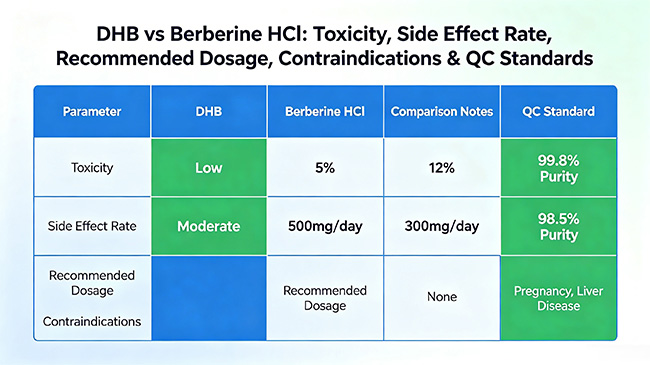
Gastrointestinal upset ranks as the most frequent adverse event for berberine HCl, with an overall adverse reaction rate hitting 12%~18% among regular users, including bloating, loose stool and stomach cramp triggered by unabsorbed crystalline residue staying in colon. In sharp contrast, DHB’s side effect incidence drops to below 3% under equivalent effective efficacy, mainly occasional mild dizziness caused by transient blood glucose fluctuation when users take excess servings on empty stomach.
Rare side effects of DHB only emerge once daily dosage exceeds 1000mg, which is far beyond regular supplementary addition amount, greatly lowering complaint risks for finished supplement brands.
4. Critical Drug Combination Contraindications
For end users and formulators, medication matching risk cannot be ignored. DHB shares similar blood sugar regulating activity with berberine HCl, so concurrent intake with prescription hypoglycemic medicines like Metformin may lead to unexpected hypoglycemia. It also generates mild synergistic effect with oral anticoagulant drugs, so patients on warfarin or anti-hypertensive prescriptions need professional doctor guidance before supplementation.
As B2B sourcing suggestion, product specification sheet must clearly mark these matching reminders to avoid consumer safety disputes after finished product launch.
5. Group-Specific Intake Restrictions
We divide crowds into restricted and avoid-taking groups based on existing safety documents: Pregnant women, breastfeeding mothers and children under 18 lack sufficient targeted clinical safety data, hence DHB is not suggested for these populations. Patients with severe liver or kidney dysfunction should consult clinicians before consumption, for impaired organ metabolism may change ingredient excretion speed inside body.
For healthy adults and middle-aged users with mild metabolic problems, DHB stays the preferable low-irritation substitute for traditional berberine HCl.
6. Raw Material Quality Control Standards 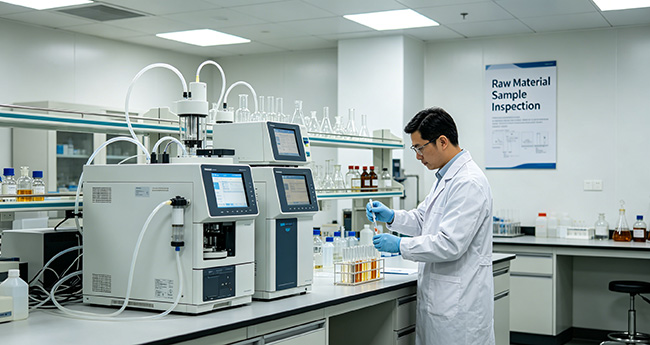
Final finished product safety originates from raw material production control, which becomes the core screening standard for global bulk purchasers. Qualified food-grade dihydroberberine must pass full-item detection including heavy metal limit, residual solvent, microorganism count and pesticide residue according to US and EU supplement raw material norms.
At our production base, every batch of DHB ranging from 85% to 98% purity completes independent lab testing via HPLC equipment. We provide full-set certification documents including COA, heavy metal test report and GMP qualification certificate to help overseas brands finish customs clearance and local regulatory filing smoothly. We maintain year-round spot inventory of bulk DHB and flexible MOQ to support OEM & private label customization projects for supplement factories worldwide.
Recommended Safe Dosage Reference
For individual end users: Daily safe serving ranges from 100mg to 300mg high-purity DHB for daily metabolic support; avoid single dose over 500mg without medical advice.
For B2B formulators: Standard formula additive amount:100~200mg DHB per single capsule to replace 500mg berberine HCl, complying with mainstream international supplement addition specification.
Closing & Sourcing Notice
After six-dimensional safety analysis, dihydroberberine proves safe for most healthy adults within standard dosage and gains remarkable advantages over berberine HCl in tolerance. If you are searching for certified safe bulk dihydroberberine raw material with complete testing documents, feel free to submit your RFQ for free sample application and detailed wholesale quotation. Our professional technical team also supplies formula parameter consultation for your new product development.
References
NCBI (PMC): Clinical Safety Research on Oral Dihydroberberine Administration, 2023–2024
Journal of Dietary Supplements: Toxicological Profile of Berberine Derivatives for Supplement Raw Material
U.S. FDA: Botanical Raw Material Heavy Metal & Microbial Safety Regulatory Standard
Hui Ding 16 years in botanical extraction
Scientifically reviewed by the :KH Health Quality Assurance Team (ISO-certified facility)
Published: January 15, 2026 · Updated: August 28, 2026