
 +86 13096987266


Ellagic Acid 40% vs 90%: Which Pomegranate Peel Extract Grade Fits Your Formula?
2026-09-11
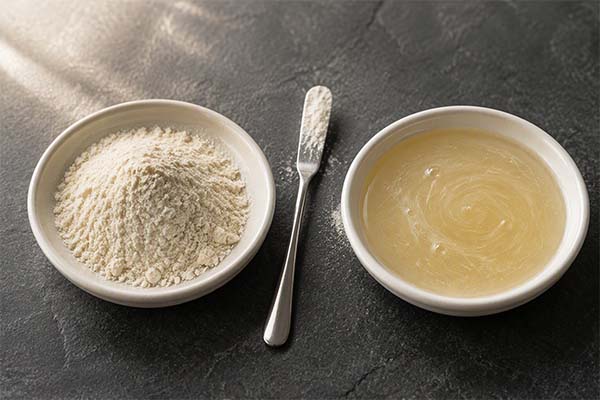
Pomegranate peel extract is sold under two dominant standardization benchmarks: 40% ellagic acid and 90% ellagic acid. Buyers often treat the higher number as the better product — but for formulation teams, the two grades are different materials, not two points on a single quality scale. Choosing between them affects assay interpretation, solubility behavior, label claims, cost, and how much documentation you need from your supplier.
This guide compares the two grades on the criteria that matter to supplement brands, formulators, and OEM buyers.
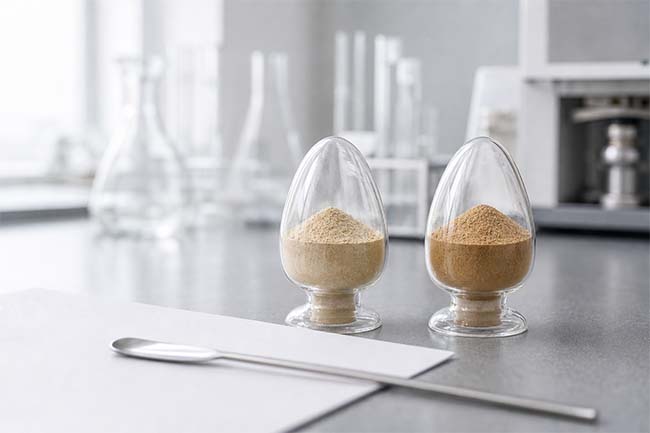
What "Ellagic Acid 40%" and "Ellagic Acid 90%" Actually Mean
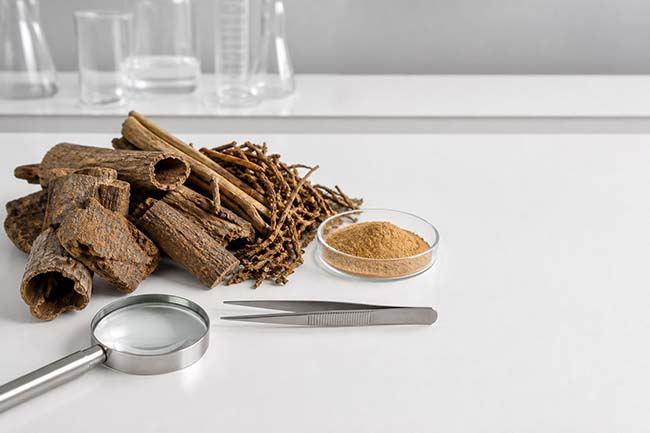
Both grades are standardized extracts of pomegranate peel (Punica granatum), but the specification basis is not identical:
40% ellagic acid is typically a peel extract in which ellagic acid is quantified at a minimum of 40%, with a broader set of co-occurring peel polyphenols present. Some suppliers quote this grade with a total polyphenol figure measured by UV and an ellagic acid figure measured by HPLC.
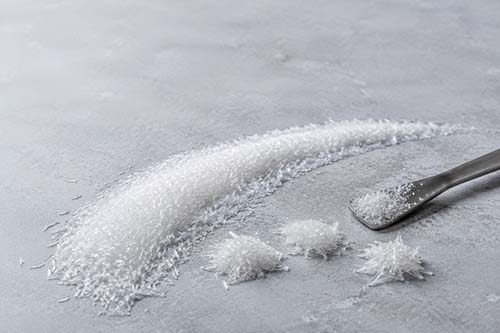
90% ellagic acid is a higher-purity, ellagic-acid-dominant material, where the specification centers on a single compound rather than the wider peel matrix.
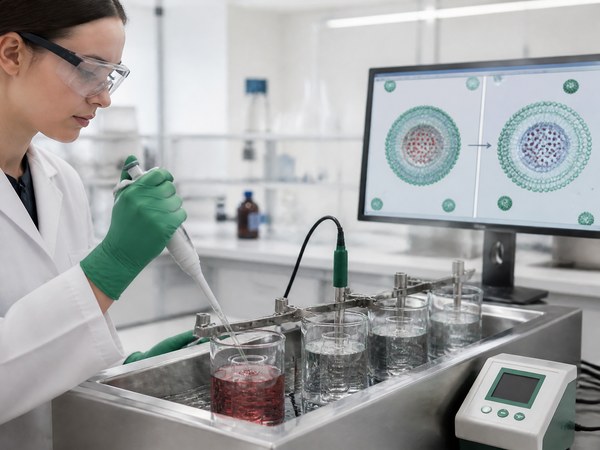
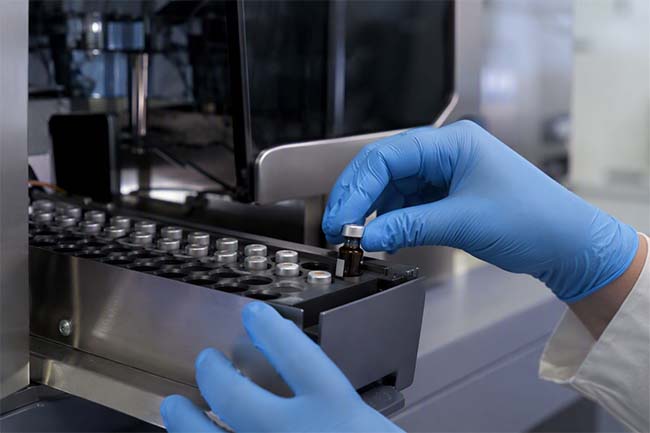
The single most important specification detail is the assay method. Total polyphenols measured by UV and ellagic acid measured by HPLC are not interchangeable numbers. A "40%" figure on one supplier's sheet and a "40%" figure on another's may refer to different analytes entirely. Always confirm: which compound, which method, which reference standard.
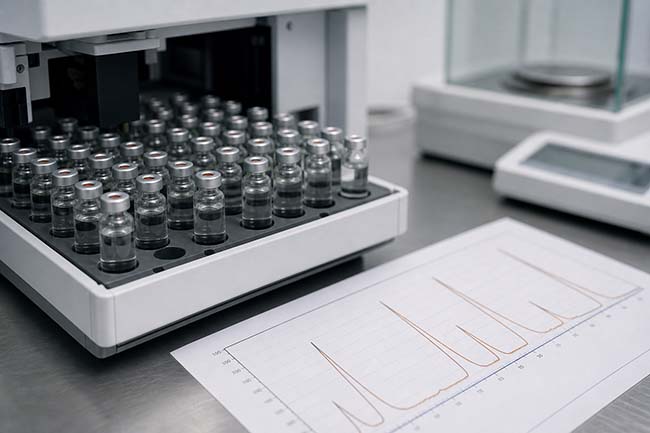
Where the Ellagic Acid Comes From: The Hydrolysis Pathway
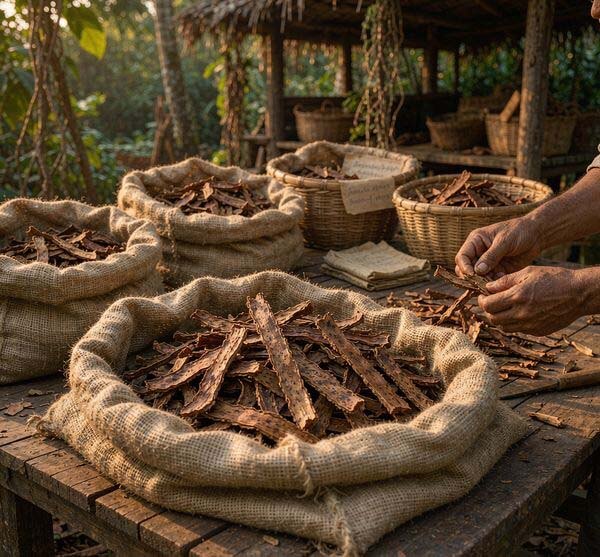
In the intact peel, ellagic acid exists largely in bound form as ellagitannins — punicalagin being the principal one. Free ellagic acid is released mainly through hydrolysis of these ellagitannins during processing.
This has three practical consequences for buyers:
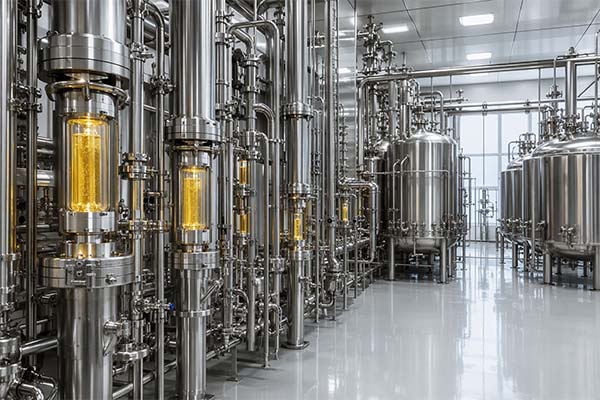
The 90% grade is process-intensive. Published process research describes routes to high-purity ellagic acid that combine extraction with acid hydrolysis and then purification steps such as recrystallization or antisolvent precipitation. More steps means more cost, more process control, and more places for batch variation to enter.
A higher ellagic acid figure does not automatically mean "more pomegranate." It means the material has been driven further along the hydrolysis and purification pathway — which reduces the other peel constituents along the way.
Extraction conditions matter. Because hydrolysis occurs during processing, a supplier's stated profile depends heavily on process design and control, not just on raw material.
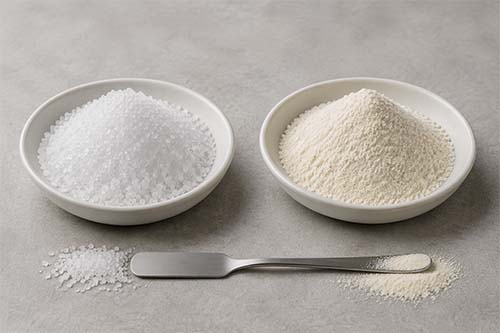
40% vs 90%: Side-by-Side Comparison
| Dimension | 40% Ellagic Acid Grade | 90% Ellagic Acid Grade |
|---|---|---|
| Specification focus | Ellagic acid content within a broader peel polyphenol matrix | Ellagic-acid-dominant, single-compound focus |
| Co-occurring constituents | Ellagitannins (e.g., punicalagin), phenolic acids, flavonoids | Substantially reduced; ellagic acid dominant |
| Processing intensity | Lower — fewer hydrolysis/purification steps | Higher — additional hydrolysis and purification steps |
| Assay commonly quoted | HPLC for ellagic acid; UV sometimes quoted for total polyphenols | HPLC for ellagic acid |
| Cost structure | Lower cost per unit of extract | Higher cost per unit of extract |
| Dominant formulation risk | Inconsistent co-constituent profile across batches | Very low water solubility becomes the limiting factor |
| Typical positioning | Broad-spectrum polyphenol formulations | High-potency, ellagic-acid-led formulations |
Formulation Implications: Matching the Grade to the Dosage Form
Capsules and tablets. Grade selection drives how much material you must load per unit to hit your declared ellagic acid contribution. A 90% grade requires roughly less than half the material of a 40% grade for the same ellagic acid input — which may free up fill weight for other actives, but concentrates the solubility and dispersion challenge into a smaller powder mass.
Powders and stick packs. Ellagic acid has low water solubility. In a 90% grade, low solubility dominates the sensory and reconstitution behavior; in a 40% grade, the broader polyphenol fraction contributes more of the taste profile (peel polyphenols are characteristically astringent). Formulators often need to address dispersion rather than dissolution. Industry and academic work on microencapsulation exists precisely because raw ellagic acid is difficult to disperse and stabilize in aqueous systems.
Topical and cosmetic applications. Color and purity requirements tend to push these projects toward higher-purity grades, since the co-constituent profile affects both appearance and how the material behaves in an emulsion.
Blends with other botanicals. If the formula already delivers a broad polyphenol matrix from other ingredients, the marginal value of the co-constituents in a 40% peel extract is lower — which can make the 90% grade the more rational economic choice despite its higher per-kg cost.
Cost Structure and Label Economics
Because the 90% grade requires additional hydrolysis and purification, its cost is structurally higher. The relevant calculation is not price per kilogram — it is cost per unit of delivered ellagic acid, plus the cost of any formulation work needed to handle it (dispersion aids, microencapsulation, or higher-quality excipients).
Two questions worth asking internally before negotiating:
Does our label claim specify ellagic acid quantity, total polyphenols, or "pomegranate peel extract" as a whole? Each wording maps to a different grade optimum.
Do we gain anything from the co-constituents in the 40% grade, or are we paying for them without a claim to support them?
Quality Checks Before You Commit to a Grade
Confirm the assay method and analyte for every quoted percentage — HPLC versus UV, ellagic acid versus total polyphenols.
Request a batch-specific COA covering assay, identification, appearance, loss on drying, residual solvents, heavy metals, and microbiological limits.
Ask what the rest of the material is. In a 90% grade, the remaining fraction should be characterized and consistent batch to batch. In a 40% grade, the co-constituent profile should be described, not left vague.
Verify identity against reference standards. Pomegranate extract is among the botanical categories where industry quality reviews have documented adulteration concerns, including products standardized to a marker compound while the underlying raw material composition is questionable. Marker-based standardization is only meaningful when the identity of the matrix is confirmed.
Test a sample yourself before committing to bulk volume, and re-verify on the first delivered lot.
Decision Framework: Which Grade Fits Your Formula
Choose the 40% grade when:
Your claim and formulation benefit from a broader peel polyphenol profile.
You are working to a cost target and can accept higher material load per unit.
Your dosage form can accommodate the additional fill weight (capsules, tablets, bulk powder blends).
Choose the 90% grade when:
Your formulation is ellagic-acid-led and you want maximum active per gram of powder.
Fill weight or unit size is constrained.
Your application (including topical) requires a higher-purity, less colored material.
You have a plan for the solubility and dispersion challenge.
In either case, the grade is only as reliable as the documentation behind it — which is why the assay method question matters more than the headline percentage.
Frequently Asked Questions
Is 90% ellagic acid always better than 40%? No. They are different materials. The 90% grade delivers more ellagic acid per gram but loses much of the co-occurring peel polyphenol profile, and it carries a structurally higher cost and a harder solubility profile.
Why do some suppliers quote 40% ellagic acid but 70-90% total polyphenols? Because the two numbers are measured differently — total polyphenols by UV and ellagic acid by HPLC. They describe different things and should never be compared directly.
How is ellagic acid in pomegranate peel extract produced? It is largely released through hydrolysis of peel ellagitannins, principally punicalagin. High-purity grades add hydrolysis and purification steps such as recrystallization or antisolvent precipitation.
Can I switch grades mid-project? Technically yes, but treat it as a reformulation. Loading levels, fill weight, taste profile, and dispersion behavior all change.
What should I send my supplier when requesting quotes? Target grade and assay method, dosage form, required annual or per-order volume, packaging requirements, destination market, and which documentation you need with each lot.
How to Choose Without Guesswork
The 40% versus 90% decision is a formulation decision before it is a purchasing decision. Define what your label claims, define your dosage form constraints, then ask each supplier for a batch-specific COA that states the analyte and the method. A supplier who can answer those questions with documents — and provide a sample for your own verification — is the one worth adding to your shortlist.
Hui Ding 16 years in botanical extraction
Scientifically reviewed by the :KH Health Quality Assurance Team (ISO-certified facility)
Published: January 15, 2026 · Updated: August 28, 2026