
 +86 13096987266




Does apigenin really help with sleep?
2026-07-22
If you have spent any time listening to health podcasts or browsing wellness forums over the past few years, you have almost certainly heard of apigenin. Often championed as a breakthrough natural sleep aid, this natural plant flavonoid has rapidly made its way into evening supplement stacks worldwide.
As an specialist working directly with a plant extract manufacturer, I look at ingredients like apigenin through a dual lens: the biological mechanisms that make them intriguing, and the rigorous extraction standards required to make them effective. Consumers and product formulators alike frequently ask us the same honest question: Does apigenin really help with sleep, or is it just clever marketing?
The short answer is yes—but with important caveats. Apigenin is not a knock-out sedative, nor is it a cure-all for chronic sleep disorders. Below is a realistic, science-backed look at how apigenin works in the brain, what clinical studies actually demonstrate, and why raw material quality plays a pivotal role in whether or not you feel its effects.
1.How Apigenin Works in the Brain: The GABA-A Connection
To understand apigenin’s relationship with sleep, we first have to look at how the central nervous system winds down at night. Your brain relies on a primary inhibitory neurotransmitter called GABA gamma-aminobutyric acid) to reduce neuronal excitability and quiet mental chatter.
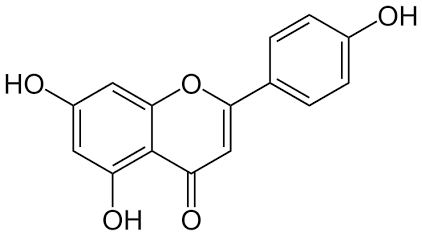
Apigenin is a naturally occurring flavone found in chamomile, celery, parsley, and grapefruit. At a molecular level, it functions as a partial agonist at central benzodiazepine receptors located on the GABA receptor complex.
Here is why that distinction matters:
Full Agonists (e.g., prescription sedatives): Force GABA receptors open indiscriminately. While effective at forcing sleep, they often alter sleep architecture, cause morning grogginess, and carry risks of dependency.
Partial Agonists (like Apigenin): Moderately enhance GABAergic tone without overwhelming the receptor. This produces a gentle, anxiolytic (anxiety-reducing) effect that quiets an overactive mind without knocking out the central nervous system.
Rather than forcing you unconscious, apigenin helps clear the physiological roadblock to sleep—specifically, nighttime restlessness and elevated stress response.
2.What the Clinical Research Actually Says
When evaluating natural ingredients, I always recommend separating cell and animal studies from human clinical trials. While rodent studies consistently demonstrate that high doses of apigenin decrease locomotion and prolong sleep duration, human clinical evidence is more nuanced.
Human Studies on Chamomile Extracts
Much of our human data on apigenin comes from clinical trials evaluating standardized chamomile extracts (Matricaria chamomilla), which are naturally rich in apigenin and its glycosides.
Sleep Quality in Chronic Insomnia: In a double-blind, randomized controlled trial published in BMC Complementary and Alternative Medicine, patients with chronic primary insomnia received chamomile extract (standardized for apigenin content) twice daily for 28 days. While the study found modest improvements in daytime functioning, the most notable effect was a reduction in sleep latency (the time it takes to fall asleep).
Anxiety and Sleep Onset: Clinical research published in Phytomedicine evaluated patients with generalized anxiety disorder (GAD) taking standardized chamomile extract over several weeks. Researchers observed statistically significant reductions in total anxiety scores. Because anxiety and racing thoughts are primary drivers of sleep onset failure, this anti-anxiety pathway explains why so many users report easier evening wind-down periods.
The Research Gap: Isolated Apigenin vs. Plant Extracts
It is worth noting that while isolated apigenin ($98\%+$ purity) is widely sold today, most historical human trials utilized whole-plant botanical extracts. Modern research is currently bridging this gap, exploring how purified apigenin crosses the blood-brain barrier and behaves when taken as an isolated compound versus a full-spectrum extract.
3.Standardized Botanical Extracts vs. High-Purity Isolate
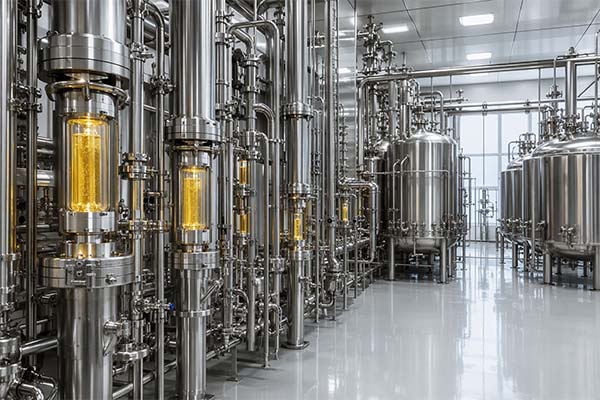
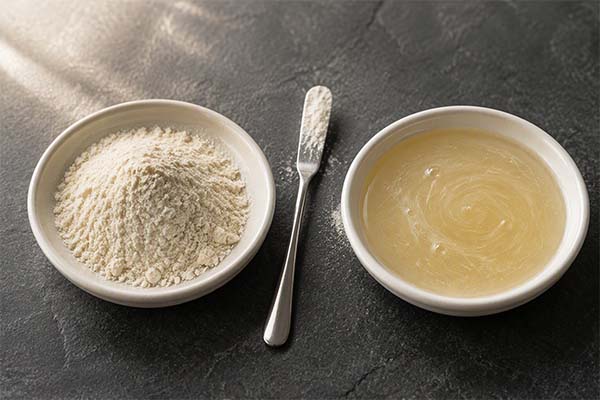
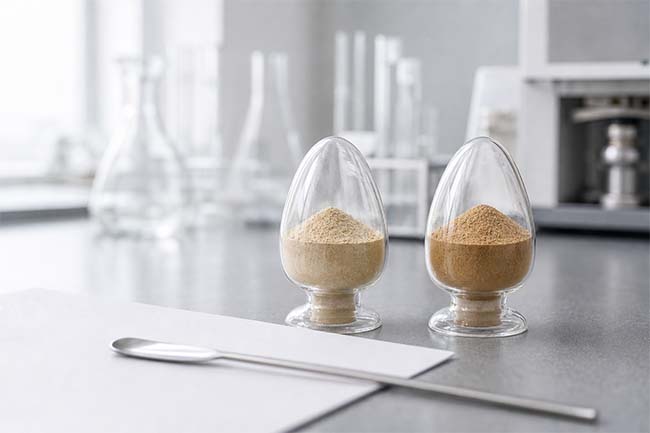
In our botanical manufacturing facilities, we process raw plant material into both full-spectrum extracts and highly purified active compounds. When choosing or formulating an apigenin supplement, understanding the difference between these two raw material formats is crucial.
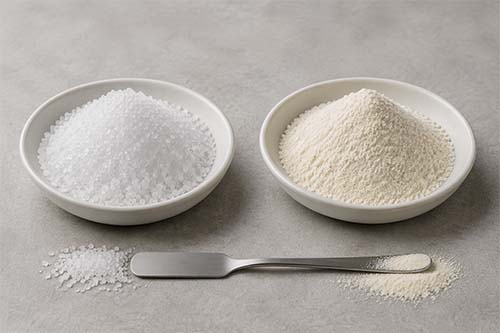
| Feature | Standardized Chamomile Extract | Purified Apigenin Powder (98%) |
| Primary Source | Matricaria chamomilla flowers | Derived from chamomile, celery, or citrus, then purified |
| Typical Active Concentration | 1.2% to 5.0% Apigenin / Apigenin-7-glucoside | 98.% pure apigenin |
| Primary Mechanism | Synergistic action (Flavonoids + Essential Oils like Bisabolol) | Targeted, high-dose GABA receptor binding |
| Common Serving Size | 250mg - 500mg per day | 50 mg - 100 mg per day |
| Best Used For | General evening relaxation tea or mild stress relief | Targeted nightly sleep stacks and biohacking formulations |
Why Standardization Matters
Fresh chamomile flowers contain only small fraction amounts of apigenin (0.3% to 1.2%). Drinking a standard cup of chamomile tea delivers roughly 2mg to 5mg of total apigenin.
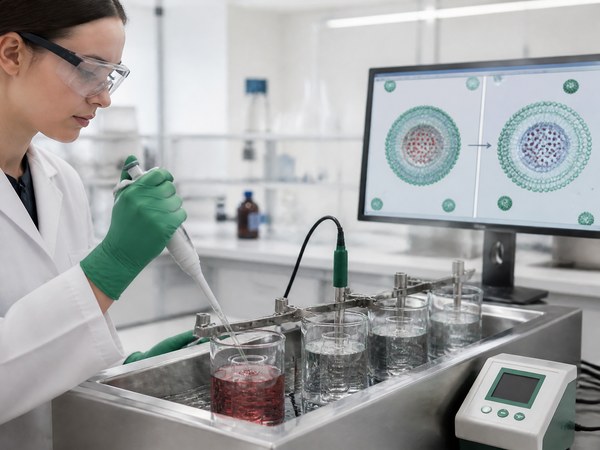
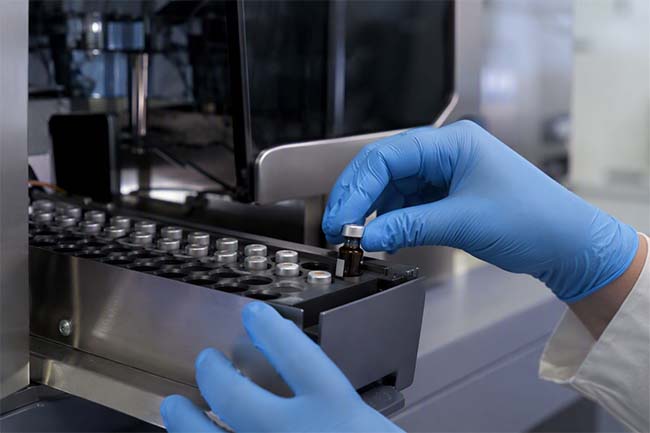
For targeted sleep support, clinical studies typically look at significantly higher exposure levels. That is why professional extract manufacturers rely on High-Performance Liquid Chromatography (HPLC) testing to verify exact active compound yields. Whether a formula uses a 5% standardized extract or a 98% isolate, batch-to-batch analytical verification ensures consistency in every serving.
4.Setting Expectations: Who Is Apigenin Right For?
To determine if apigenin is right for your needs, it helps to match the compound to your specific sleep profile:
Ideal Candidates for Apigenin
The "Busy Mind" Sleeper: Individuals who lie awake in bed replaying the day’s stress or worrying about tomorrow's schedule. Apigenin’s mild anxiolytic effect helps quiet mental chatter.
Sensitives to Melatonin: People who experience vivid nightmares, morning grogginess, or hormonal disruptions from synthetic melatonin supplements.
Stack Formulators: Those looking for a gentle, synergistic component to pair with L-theanine or Magnesium L-threonate for a balanced nighttime routine.
When Apigenin May Fall Short
Severe Physical Insomnia or Sleep Apnea: Apigenin is a mild botanical modulator, not a heavy pharmaceutical sedative.
Frequent Middle-of-the-Night Awakening: Apigenin has a moderate biological half-life in humans ($\sim 12$ hours for systemic elimination, but peak plasma levels occur within 1–2 hours). It is most effective for sleep onset rather than preventing physical awakenings caused by sleep disruption factors like room temperature or noise.
5.Practical Dosing, Timing, and Safety Considerations
If you decide to incorporate apigenin into your evening routine, keeping a few practical guidelines in mind will help maximize its benefits:
Timing: Take apigenin approximately 30 to 60 minutes before bedtime. Because it relies on GI absorption, taking it with a light healthy fat (such as a spoon of almond butter or yogurt) can enhance the bioavailability of this lipophilic compound.
Dosage: Typical standalone oral supplements range from $50\text{ mg}$ to $100\text{ mg}$ of purified apigenin per day. If using a standardized chamomile extract, follow the product's specific standardized percentage recommendations.
Safety & Tolerability: Apigenin is generally well-tolerated with an excellent safety profile. Because it interacts with GABA pathways, consult your healthcare provider before combining apigenin with prescription sedatives, muscle relaxers, or alcohol.
Does apigenin really help with sleep? Yes, but its real power lies in relaxation rather than heavy sedation.
Apigenin acts as a bridge between high-stress waking hours and natural sleep readiness. By gently modulating $\text{GABA}_A$ receptors and lowering nervous system tension, it creates the ideal internal environment for restorative sleep to occur naturally. For formulators and consumers alike, choosing standardized, lab-verified raw materials ensures that you get the precise, repeatable botanical activity required for real-world results.
References & Scientific Sources
National Center for Biotechnology Information (NCBI / PubMed): Amsterdam, J. D., et al. (2009). "A randomized, double-blind, placebo-controlled trial of oral Matricaria recutita (chamomile) extract therapy for generalized anxiety disorder." Journal of Clinical Psychopharmacology, 29(4), 378–382. NCBI PubMed Central
BMC Complementary Medicine and Therapies: Zick, S. M., et al. (2011). "Preliminary examination of the efficacy and safety of a standardized chamomile extract for chronic primary insomnia: A randomized placebo-controlled pilot study." BMC Complement Altern Med, 11, 78. BMC Springer Nature
Sleep Foundation: "Natural Sleep Aids: What You Need to Know." SleepFoundation.org
Phytomedicine International Journal: Viola, H., et al. (1995). "Apigenin, a component of Matricaria recutita flowers, is a central benzodiazepine receptors-ligand with anxiolytic effects." Planta Medica, 61(3), 213–216. Thieme Connect
Hui Ding 16 years in botanical extraction
Scientifically reviewed by the :KH Health Quality Assurance Team (ISO-certified facility)
Published: January 15, 2026 · Updated: August 28, 2026