
 +86 13096987266

Liposomal silymarin 10% nutraceutical grade
Product Introduction
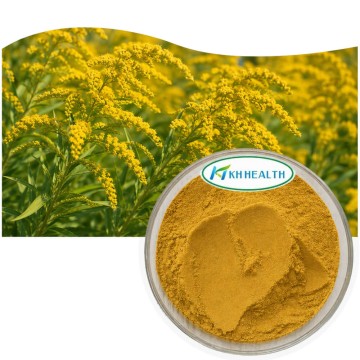
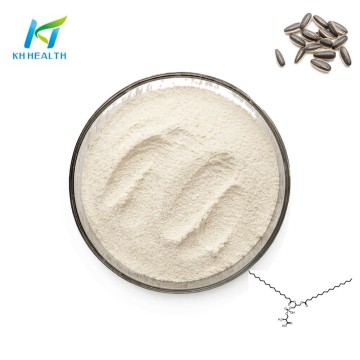
Our liposomal silymarin powder is produced from Silybum marianum (L.) Gaertn. (milk thistle) seeds sourced from contract farms in Northwest China. The seeds are cold-pressed and ethanol-extracted to yield a standardized silymarin complex, which is then encapsulated within a non-GMO sunflower lecithin phospholipid bilayer using high-pressure homogenization followed by spray-freeze drying.
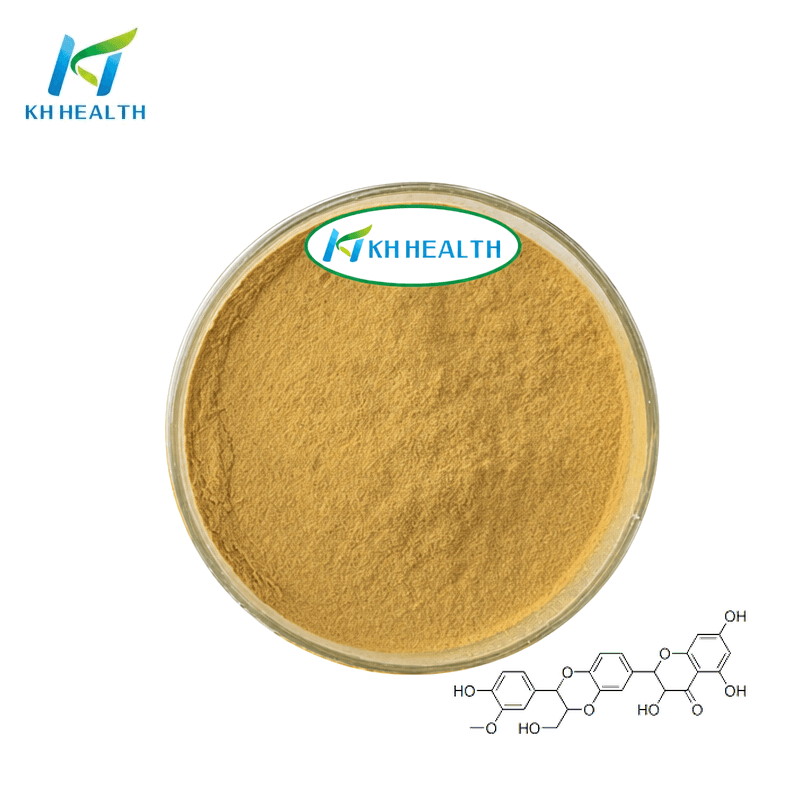
The final ingredient is a free-flowing, light-yellow to orange fine powder that reconstitutes into a stable liposomal suspension upon hydration. Unlike standard silymarin extracts (which assay at 70–80% total flavonolignans but remain poorly absorbed), our liposomal grade is formulated at a 30–35% silymarin load—a ratio deliberately optimized to maintain >90% encapsulation efficiency and vesicle integrity. A higher active load would exceed the phospholipid carrying capacity, producing free (unencapsulated) silymarin that negates the delivery advantage.
Why Liposomal Silymarin Outperforms Standard Silymarin
Standard silymarin has an oral bioavailability of approximately 0.45–0.73% in humans, limited by three barriers: (1) extremely low aqueous solubility (< 50 μg/mL), (2) poor intestinal membrane permeability, and (3) extensive first-pass hepatic metabolism (glucuronidation and sulfation) followed by rapid biliary excretion.
Liposomal encapsulation addresses all three barriers simultaneously:
Gastric protection: The phospholipid bilayer shields silybin from acidic degradation and digestive enzymes, ensuring a higher fraction reaches the small intestine intact.
Lymphatic absorption: Rehydrated liposomes are taken up by M-cells in Peyer's patches and incorporated into chylomicrons, entering the lymphatic circulation and bypassing hepatic first-pass metabolism.
Hepatotropism: Phospholipids are natural components of hepatocyte membranes, giving liposomes an intrinsic affinity for liver tissue — potentially delivering the active payload preferentially to the target organ.
Comparative pharmacokinetic studies of phospholipid-complexed silymarin report 2.5- to 9.6-fold higher oral bioavailability versus conventional silymarin tablets. A phytosomal-liposomal hybrid formulation demonstrated 3.5-fold higher bioavailability and 10× greater suppression of LPS-induced ROS in macrophages compared to free silymarin suspension.
product applications
Dietary Supplements & Nutraceuticals
Liver support capsules / tablets / softgels: Single-ingredient or complexed with NAC, alpha-lipoic acid, selenium, or artichoke extract.
Alcohol recovery & hangover formulas: Fast-dissolve sachets and effervescent tablets leveraging rapid lymphatic uptake.
Detox & cleanse programs: Multi-day protocol products requiring consistent, high-absorption delivery.
Functional Beverages
Ready-to-drink (RTD) liver tonics: Aqueous dispersibility ≥ 5 mg/mL enables stable, non-sedimenting beverages.
Energy & recovery shots: 30–60 mL single-serve formats for post-workout or post-social consumption.
Powdered drink mixes: Stick packs for daily liver maintenance; compatible with protein shakes and green superfood blends.
Specialized Nutrition (FSMP / Medical Food)
Formulations for individuals with impaired liver function or those on hepatotoxic medication regimens (under medical supervision).
Cosmetics & Topical Personal Care
Anti-pollution skincare: Silymarin's antioxidant activity neutralizes UV- and pollution-induced free radicals; liposomal format enhances skin penetration.
Detoxifying face masks and serums: Compatible with gel and emulsion bases.
Pet Nutrition
Veterinary liver support supplements for dogs and cats (hepatic lipidosis, age-related liver function maintenance).
Customer Success Stories
To protect client confidentiality, brands are referenced by application type and market region rather than by name.
Case 1 — Premium Liver Support Capsule Line (North America)
A US-based supplement brand replaced its standard 80% silymarin extract with our liposomal grade in a 2-capsule daily serving. The reformulated product delivered equivalent silybin plasma exposure at 40% of the previous label dose, allowing the brand to reduce capsule size and add NAC + selenium within the same serving. Post-launch, the product achieved a 4.7/5 average rating across 2,000+ reviews, with customers reporting reduced post-drinking fatigue.
Case 2 — RTD Liver Recovery Shot (Europe)
A German functional beverage startup used our water-dispersible liposomal silymarin powder in a 60 mL citrus-flavored shot. The formulation remained stable for 12 months at ambient temperature with no sedimentation or phase separation. The product launched in 3,000+ retail locations across DACH and achieved 18% repeat purchase rate in the first 6 months.
Case 3 — Private Label Powder Stick Packs (Southeast Asia)
A Malaysian wellness brand launched single-serve stick packs (1.5 g per sachet) combining our liposomal silymarin with turmeric extract and vitamin C. The low MOQ (25 kg) and flexible packaging options enabled a market test with minimal upfront inventory; the brand scaled to 500 kg/month within 4 months.
Note: Specific brand names are withheld under mutual NDAs. Detailed case study dossiers and formulation references are available to qualified prospects under confidentiality agreement.
our service
1 Manufacturing & Supply
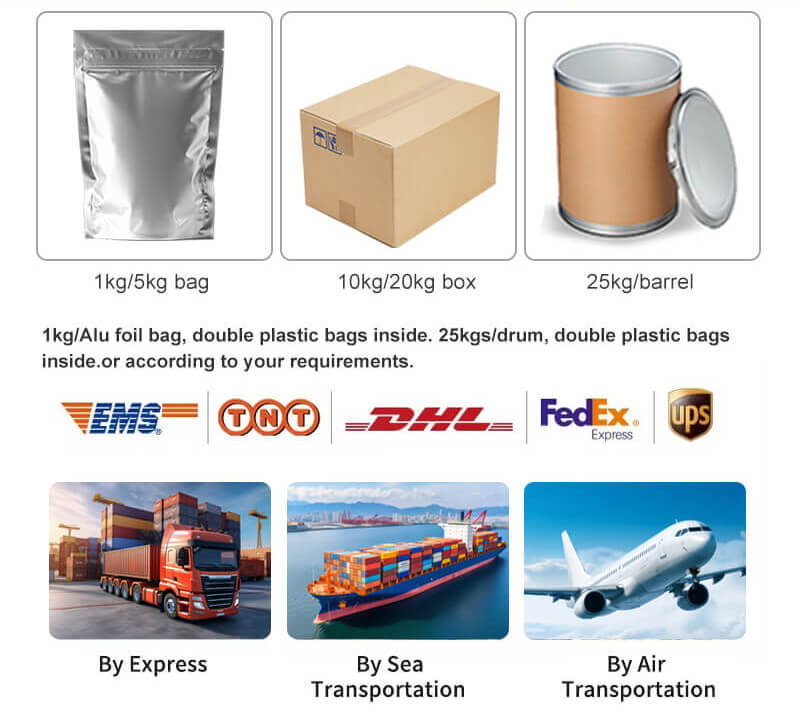
Bulk wholesale: 25 kg fiber drums (standard); 1 kg / 5 kg / 10 kg aluminum foil bags for trial orders.
MOQ: 1 kg for sample evaluation; 25 kg for production orders.
Stock capacity: 5+ tons maintained in our Xi'an warehouse; typical lead time 3–7 working days for stock items, 15–20 days for custom batches.
Shipping terms: EXW, FOB, CIF, CFR, DAP, DDP.
Payment: T/T, L/C, Western Union, Alibaba Trade Assurance.
2 Customization & Private Label
Custom silymarin load: 20–40% assay available upon request (encapsulation efficiency verified for each custom ratio).
Custom particle size: Targeted Z-average from 50 nm to 300 nm for specific formulation needs.
Co-encapsulation: Combined liposomal formulations with curcumin, glutathione, NAD+, quercetin, or vitamin D3.
Private label finished goods: Capsules, sachets, and RTD beverages available under client brand.
3 Technical Support
Formulation consultation: Our R&D team provides guidance on dosage forms, compatibility, and stability.
Regulatory documentation: Technical Data Sheet (TDS), COA, MSDS, allergen statement, and certification packages supplied for EU, US, and APAC market entry.
Sample provision: Free 50–100 g samples available for qualified formulation evaluation (freight collect).
Batch consistency: Every production lot is assigned a unique batch number with full traceability from seed to finished powder.
fAQ
Q1: What is the difference between liposomal silymarin and standard silymarin powder?
A: Standard silymarin is a hydrophobic extract with ~0.5% oral bioavailability due to poor solubility and first-pass metabolism. Liposomal silymarin is encapsulated within a phospholipid bilayer that protects the active from gastric degradation, enables lymphatic absorption, and increases bioavailability by 2.5–9.6×. The trade-off is a lower assay (30–35% vs. 70–80%) because 60–70% of the powder is the phospholipid carrier required for true liposome formation.
A: Standard silymarin is a hydrophobic extract with ~0.5% oral bioavailability due to poor solubility and first-pass metabolism. Liposomal silymarin is encapsulated within a phospholipid bilayer that protects the active from gastric degradation, enables lymphatic absorption, and increases bioavailability by 2.5–9.6×. The trade-off is a lower assay (30–35% vs. 70–80%) because 60–70% of the powder is the phospholipid carrier required for true liposome formation.
Q2: How do I verify that your product is a true liposome and not just a silymarin-lecithin physical mixture?
A: True liposomal powders rehydrate into vesicles with a measurable particle size (50–200 nm by DLS), a defined zeta potential (−30 to −45 mV), and >90% encapsulation efficiency (verified by ultrafiltration-HPLC). A simple physical mixture will show no distinct nanoparticle population by DLS and will have near-zero encapsulation efficiency. We provide DLS and encapsulation data on every COA.
A: True liposomal powders rehydrate into vesicles with a measurable particle size (50–200 nm by DLS), a defined zeta potential (−30 to −45 mV), and >90% encapsulation efficiency (verified by ultrafiltration-HPLC). A simple physical mixture will show no distinct nanoparticle population by DLS and will have near-zero encapsulation efficiency. We provide DLS and encapsulation data on every COA.
Q3: What is the recommended daily dosage for finished products?
A: For general liver maintenance, 150–300 mg of liposomal silymarin powder per day (delivering ~50–100 mg of encapsulated silymarin). For therapeutic support, 400–600 mg/day. These are formulation guidance ranges; finished product labels should comply with local regulatory limits. Standard silymarin clinical studies typically use 140 mg three times daily (420 mg total); the liposomal format may reduce the effective dose by 50–75%.
A: For general liver maintenance, 150–300 mg of liposomal silymarin powder per day (delivering ~50–100 mg of encapsulated silymarin). For therapeutic support, 400–600 mg/day. These are formulation guidance ranges; finished product labels should comply with local regulatory limits. Standard silymarin clinical studies typically use 140 mg three times daily (420 mg total); the liposomal format may reduce the effective dose by 50–75%.
Q4: Is your product soy-free?
A: Yes. We use non-GMO sunflower lecithin as the phospholipid carrier, making the product soy-free and suitable for consumers with soy allergies. A formal allergen statement is available upon request.
A: Yes. We use non-GMO sunflower lecithin as the phospholipid carrier, making the product soy-free and suitable for consumers with soy allergies. A formal allergen statement is available upon request.
Q5: What is the shelf life and how should the powder be stored?
A: 24 months in sealed original packaging when stored below 25°C and 60% relative humidity, away from direct light. Once opened, we recommend use within 3 months and resealing tightly after each use. The dry powder format is significantly more stable than liquid liposomal formulations, which typically require refrigeration and have 6–12 month shelf lives.
A: 24 months in sealed original packaging when stored below 25°C and 60% relative humidity, away from direct light. Once opened, we recommend use within 3 months and resealing tightly after each use. The dry powder format is significantly more stable than liquid liposomal formulations, which typically require refrigeration and have 6–12 month shelf lives.
Q6: Can liposomal silymarin be used in beverages? Will it sediment?
A: Yes. The powder disperses in water at ≥ 5 mg/mL and forms a stable suspension for at least 4 hours at ambient temperature. For RTD beverages with 12+ month shelf life, we recommend pH adjustment to 5.5–7.0 and addition of 0.05–0.1% xanthan gum or citrus pectin to prevent creaming. Our R&D team can provide formulation protocols.
A: Yes. The powder disperses in water at ≥ 5 mg/mL and forms a stable suspension for at least 4 hours at ambient temperature. For RTD beverages with 12+ month shelf life, we recommend pH adjustment to 5.5–7.0 and addition of 0.05–0.1% xanthan gum or citrus pectin to prevent creaming. Our R&D team can provide formulation protocols.
Q7: Are there any contraindications or drug interactions?
A: Silymarin is generally recognized as safe and well-tolerated. However, formulators should note: (1) Silymarin may inhibit CYP3A4 and CYP2C9 at high doses, potentially interacting with medications metabolized by these enzymes (e.g., statins, warfarin, antipsychotics); finished products should carry a "consult your physician if taking medication" advisory. (2) Individuals with ragweed/asteraceae allergies may experience cross-reactivity. (3) Safety in pregnancy and lactation has not been sufficiently established; we recommend excluding these populations from target labeling. (4) Because liposomal delivery increases bioavailability, drug interaction risk may be amplified compared to standard silymarin — consult a regulatory affairs specialist before making structure-function claims.
A: Silymarin is generally recognized as safe and well-tolerated. However, formulators should note: (1) Silymarin may inhibit CYP3A4 and CYP2C9 at high doses, potentially interacting with medications metabolized by these enzymes (e.g., statins, warfarin, antipsychotics); finished products should carry a "consult your physician if taking medication" advisory. (2) Individuals with ragweed/asteraceae allergies may experience cross-reactivity. (3) Safety in pregnancy and lactation has not been sufficiently established; we recommend excluding these populations from target labeling. (4) Because liposomal delivery increases bioavailability, drug interaction risk may be amplified compared to standard silymarin — consult a regulatory affairs specialist before making structure-function claims.
Q8: Do you provide third-party lab testing?
A: Yes. While our in-house QC lab performs full release testing, we can arrange third-party verification by SGS, Eurofins, or Bureau Veritas upon request (cost and lead time quoted per project). Heavy metal testing by ICP-MS and microbiological testing are available as standalone third-party reports.
A: Yes. While our in-house QC lab performs full release testing, we can arrange third-party verification by SGS, Eurofins, or Bureau Veritas upon request (cost and lead time quoted per project). Heavy metal testing by ICP-MS and microbiological testing are available as standalone third-party reports.
Q9: What is your minimum order quantity and can I get a sample?
A: MOQ is 1 kg for trial orders and 25 kg for production-scale orders. We offer free 50–100 g samples for qualified formulation evaluation (buyer covers freight). Sample COA and TDS are included.
A: MOQ is 1 kg for trial orders and 25 kg for production-scale orders. We offer free 50–100 g samples for qualified formulation evaluation (buyer covers freight). Sample COA and TDS are included.
Q10: Which certifications do you hold and can you supply documentation for EU/US market entry?
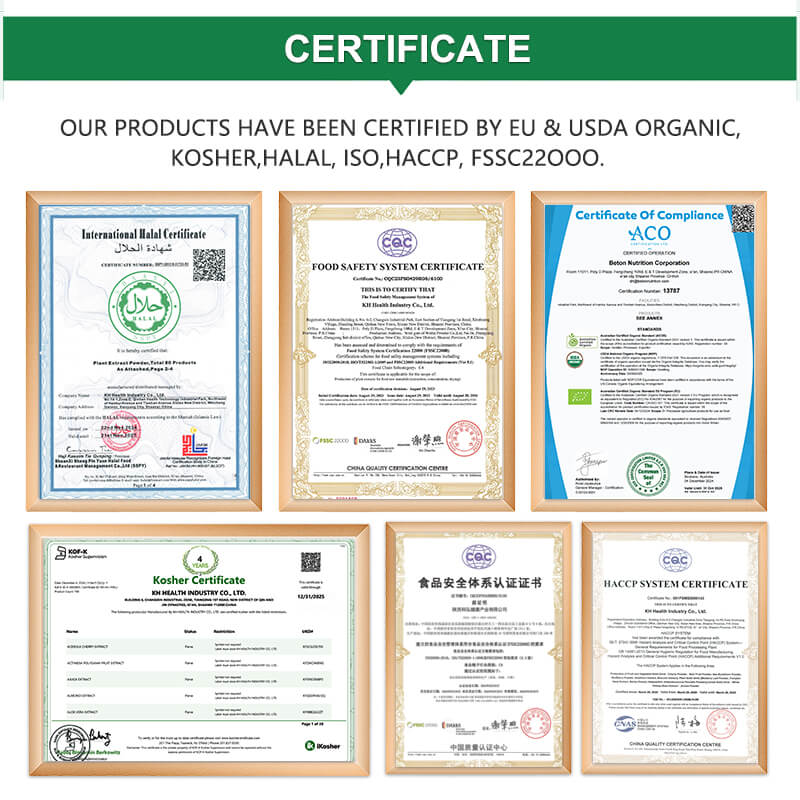
A: Our facility is cGMP, ISO 22000, and HACCP certified; products are Halal and Kosher certified. We supply a complete regulatory package including TDS, COA, MSDS, allergen statement, pesticide residue report, heavy metal report, and microbiological report. For the EU market, note that silymarin as a botanical extract is not classified as a Novel Food (it has a significant history of consumption), but finished product claims must comply with EFSA-approved health claims. For the US market, the ingredient is sold as a dietary supplement ingredient under DSHEA; structure-function claims require standard FDA notification.
A: Our facility is cGMP, ISO 22000, and HACCP certified; products are Halal and Kosher certified. We supply a complete regulatory package including TDS, COA, MSDS, allergen statement, pesticide residue report, heavy metal report, and microbiological report. For the EU market, note that silymarin as a botanical extract is not classified as a Novel Food (it has a significant history of consumption), but finished product claims must comply with EFSA-approved health claims. For the US market, the ingredient is sold as a dietary supplement ingredient under DSHEA; structure-function claims require standard FDA notification.
KH Health is your trusted partner, dedicated to listening to customers, solving every problem, and providing quick responses. For any questions or assistance regarding liposome silymarin powder, feel free to contact us via:
Email: sales@kh-health.com
WeChat: +86 13096987266
WhatsApp: +86 18792880979
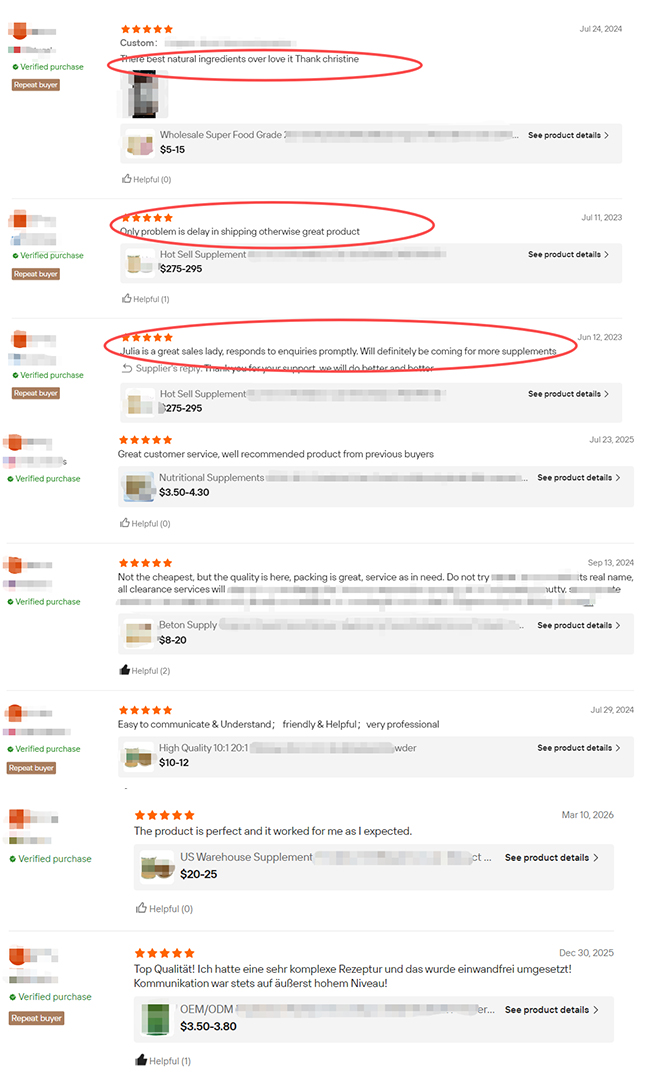
Customers' Feedback
packing and shipping
Inquire Now!
If you have any needs, please feel free to contact me and I will be happy to serve you.