
 +86 13096987266

Liposomal coq10 powder bulk
Product Introduction
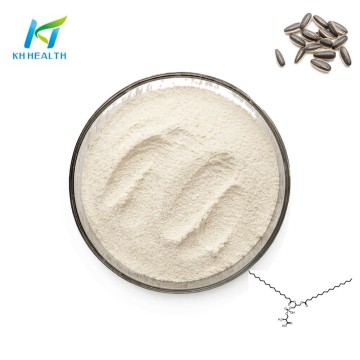
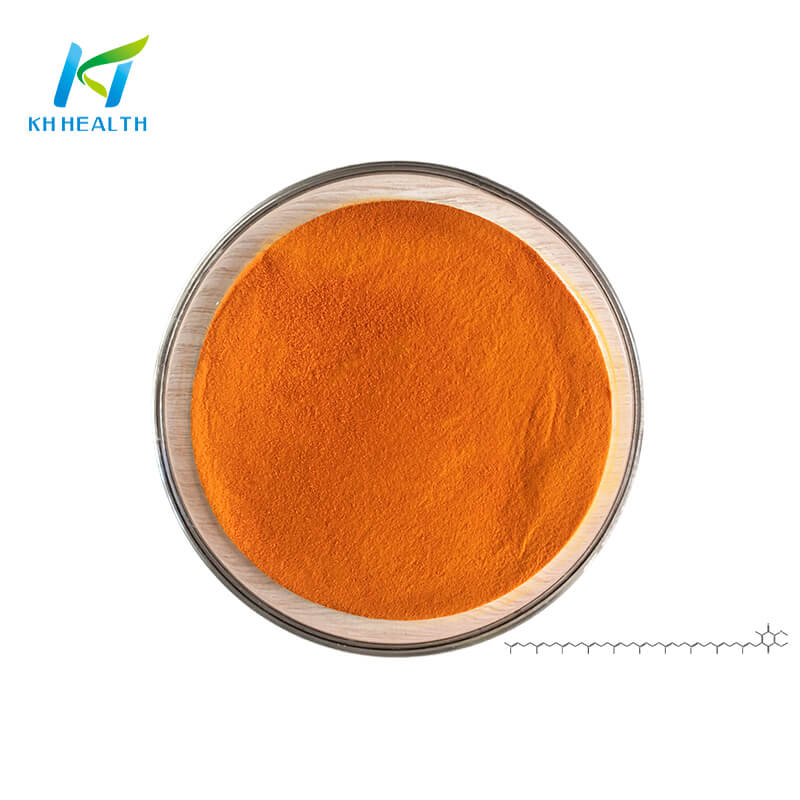
Our liposomal coq10 powder is manufactured using pharmaceutical-grade coenzyme Q10 (ubiquinone, CAS 303-98-0) encapsulated within non-GMO sunflower lecithin phospholipids. Unlike soy-based carriers, sunflower lecithin naturally contains a higher proportion of phosphatidylcholine (PC, ~25–30%), the primary bilayer-forming component that ensures smoother, more uniform liposome structures with superior membrane fluidity and encapsulation efficiency. The CoQ10 active is produced via natural fermentation, identical to the molecule endogenous to human mitochondrial membranes.
We offer two standard assay grades to accommodate different formulation targets:
50% Liposomal CoQ10 — ideal for functional beverages, powdered sticks, and cost-sensitive premium lines
70% CoQ10—designed for high-potency softgels, capsules, and clinical-positioned supplements
Custom assay levels (e.g., 40%, 60%) and co-loaded formulations (e.g., CoQ10 + PQQ, CoQ10 + ginseng saponin) are available upon request.
product strengths
Traditional crystalline CoQ10 is highly lipophilic and suffers from poor oral absorption — often cited at only 2–3% bioavailability. Our liposomal encapsulation solves this at the molecular level. In a published double-blind, placebo-controlled, randomized crossover trial, liposomal CoQ10 demonstrated a 31.3% higher Cmax and a 22.6% higher AUC₀₋₂₄ compared to standard CoQ10 (p < 0.001), with median Cmax reaching 11,294 ± 998 ng/mL versus 8,236 ± 417 ng/mL for the non-liposomal control. Next-generation liposomal platforms have reported even greater gains — up to a 4.3-fold increase in AUC₀₋ₜ and 3.6-fold increase in Cmax — by combining amorphization, nanosizing, and phospholipid complexation.
This means your finished products can deliver clinically meaningful plasma CoQ10 levels at lower dosages, reducing formulation cost per effective dose and improving label competitiveness.
product benefits
Mechanism of Absorption Enhancement
The liposomal bilayer — composed of sunflower-derived phosphatidylcholine — mimics the structure of human cell membranes. Upon ingestion:
Gastric protection: The phospholipid shell shields CoQ10 from degradation in the acidic stomach environment.
Intestinal fusion: Liposomes fuse with enterocyte membranes, releasing CoQ10 directly into cells without requiring bile salt micellization.
Lymphatic transport: Encapsulated CoQ10 is preferentially absorbed via the lymphatic pathway, bypassing first-pass hepatic metabolism.
Mitochondrial targeting: The small particle size (< 120 nm) facilitates tissue distribution and mitochondrial uptake.
This is particularly valuable for individuals with impaired lipid metabolism — including those with pancreatic insufficiency, bile acid deficiency, or gastrointestinal disease — where standard CoQ10 absorption is further compromised.
Mitochondrial Energy Production
CoQ10 is an essential electron carrier in the mitochondrial respiratory chain (Complexes I/II → III), directly driving ATP synthesis. As endogenous CoQ10 levels decline with age (estimated 1% per year after age 30), cellular energy output diminishes — particularly in high-energy-demand tissues such as the heart, liver, and skeletal muscle. Liposomal delivery ensures sufficient CoQ10 reaches the mitochondrial inner membrane to support optimal oxidative phosphorylation.
Cardiovascular Support
The heart contains the highest concentration of CoQ10 of any organ. Clinical research has linked CoQ10 supplementation to improved cardiac output, reduced oxidative stress in myocardial tissue, and support for healthy blood pressure already within normal range. A co-loaded liposomal CoQ10 + ginseng saponin formulation has been shown to significantly reduce myocardial fibrosis area in an injury model (P < 0.0001), with anti-fibrotic effect superior to traditional CoQ10 softgels (P < 0.05).
Antioxidant Defense
CoQ10 is the only endogenously synthesized lipid-soluble antioxidant. It neutralizes free radicals in lipid membranes and regenerates the active forms of vitamin E and vitamin C. Liposomal encapsulation preserves CoQ10 in its reduced (ubiquinol-active) state longer during shelf storage and gastrointestinal transit, maintaining its antioxidant capacity.
Statin User Support
HMG-CoA reductase inhibitors (statins) — among the most prescribed drugs worldwide — inhibit the same mevalonate pathway that produces CoQ10, leading to documented CoQ10 depletion. Systematic reviews and meta-analyses indicate that CoQ10 supplementation may help mitigate statin-associated myopathy symptoms by restoring mitochondrial ATP synthase activity and reducing the lactate-to-pyruvate ratio in muscle cells. Liposomal CoQ10 is especially relevant for this population because statin users often have concurrent metabolic changes that further reduce lipid-soluble nutrient absorption.
Enhanced Stability & Shelf Life
Encapsulation protects CoQ10 from oxidation triggered by heat, light, and oxygen exposure. Accelerated stability studies (40°C / 75% RH) demonstrate ≥ 90% assay retention over 6 months, supporting a 24-month shelf life under proper storage. This stability profile simplifies inventory management for brands and reduces potency loss during finished-product manufacturing.
product applications
Cardiovascular Health Formulas
Position alongside omega-3 fish oil, magnesium, hawthorn extract, and vitamin K2 (MK-7) for comprehensive cardiovascular support stacks. Liposomal CoQ10 is the premium differentiation ingredient that elevates a standard heart-health formula above commodity competitors.
Energy & Performance Supplements
Combine with PQQ (pyrroloquinoline quinone), L-carnitine, D-ribose, and B-complex vitamins for mitochondrial biogenesis and ATP production formulas. The CoQ10 + PQQ synergy is particularly well-documented: combined supplementation upregulates PGC-1α expression, the master regulator of mitochondrial biogenesis.
Statin User & Mature Adult Lines
Create a dedicated "Statin Support" or "Cardio Recovery" SKU featuring liposomal CoQ10 (100–200 mg/day) + magnesium + omega-3. This addresses a large, underserved patient population actively seeking OTC support for statin-associated muscle symptoms.
Fertility & Reproductive Health
CoQ10 plays a critical role in gamete energy metabolism. For women, it supports oocyte quality — especially relevant for those over 35 undergoing assisted reproductive technology (ART) — by protecting mitochondrial structure and improving blastocyst formation rates. For men, it supports sperm motility, count, and DNA integrity through antioxidant defense. Formulate with folate, zinc, selenium, and L-arginine for both male and female fertility products.
Anti-Aging & Longevity
Position in the fast-growing "longevity" and "biohacking" segment alongside NMN/NAD+ precursors, resveratrol, and spermidine. The mitochondrial support narrative aligns perfectly with the "mitochondrial decay = aging" paradigm popularized by longevity researchers.
Cosmetics & Topical Skincare
CoQ10 levels in skin decline with age and UV exposure. Topical liposomal CoQ10 has been shown to penetrate the stratum corneum, stabilize mitochondrial activity in keratinocytes and fibroblasts, and reduce oxidative damage. Incorporate into anti-aging serums, eye creams, and sun-care after-sun products. The water-dispersible powder form simplifies incorporation into aqueous gel and lotion bases.
Pharmaceutical & Research
As a drug delivery excipient and active pharmaceutical intermediate (API) for clinical research in cardiovascular disease, neurodegenerative conditions (including Parkinson's disease models), and mitochondrial disorders. Liposomal CoQ10 has demonstrated the ability to cross the blood-brain barrier more effectively than free CoQ10 in preclinical models, mitigating neuroinflammation and oxidative stress.
Customer Success Stories
Case 1: European Premium Supplement Brand — Cardiovascular Line
A Germany-based DTC supplement brand sought to differentiate its heart-health line from commodity CoQ10 softgels. We supplied 50% Liposomal CoQ10 Powder for their flagship 200 mg capsule product. Within six months of launch:
The product achieved a 4.8/5 average rating across 2,000+ verified reviews, with users reporting perceived energy improvements within 2–3 weeks
The brand's "liposomal" positioning justified a 35% price premium over their previous standard CoQ10 SKU
Repeat purchase rate increased by 22% compared to the prior formulation
Case 2: US Functional Beverage Startup — Energy Drink Powder
A California-based startup developed a powdered mitochondrial energy drink combining 50% Liposomal CoQ10 with PQQ, L-carnitine, and natural citrus flavor. Key outcomes:
The water-dispersible liposomal powder dissolved completely in cold water without clumping or oil slick — a critical sensory requirement their previous CoQ10 source failed to meet
Stable emulsion maintained uniform appearance through 12-month shelf-life testing in aluminum stick packs
Product launched in 3,000+ retail locations within the first year
Case 3: Asian Fertility Clinic Network — Supplement Protocol
A network of reproductive medicine clinics in Southeast Asia required a high-purity, third-party-tested CoQ10 ingredient for their standardized pre-conception supplement protocol. We provided 50% Liposomal CoQ10 with full TDS, COA, and heavy metal documentation:
Clinic reported improved patient compliance due to the lower required dosage (100 mg liposomal vs. 300 mg standard CoQ10)
Full traceability documentation satisfied hospital procurement and regulatory review requirements
Annual volume reached 1.2 tons within two years of protocol adoption
Case 4: North American Skincare Brand — Anti-Aging Serum
A clean-beauty brand incorporated water-dispersible 50% Liposomal CoQ10 into a vitamin C + ferulic acid anti-aging serum:
The liposomal form avoided the compatibility issues common with oil-soluble CoQ10 in aqueous serum bases
Stability testing confirmed no discoloration or phase separation over 18 months
The product won a 2025 beauty editor award for "Best Innovation in Antioxidant Skincare"
Note: Specific brand names are withheld under mutual NDAs. Detailed case study dossiers and formulation references are available to qualified prospects under confidentiality agreement.
our service
Bulk Supply & Inventory
MOQ: 1 kg (sample evaluation); 25 kg (commercial production)
Stock availability: 50% and 70% grades maintained in warehouse for immediate dispatch
Annual capacity: 50+ tons per year across all liposomal product lines
Lead time: 3–5 business days for stock items; 15–20 business days for custom batches
OEM / ODM & Private Label
Custom assay levels: 40%–50% CoQ10 loading tailored to your dosage form
Co-loaded formulations: CoQ10 + PQQ, CoQ10 + ginseng saponin, CoQ10 + resveratrol, and other synergistic combinations
Custom phospholipid matrices: Sunflower, rapeseed, or blended lecithin sources
Finished product manufacturing: Hard capsule filling, softgel encapsulation, powder stick packing, bottle filling, blister packaging
Label & packaging design support: Compliance review for FDA / EFSA / Health Canada claim language
Technical & Regulatory Support
Full documentation package: TDS (Technical Data Sheet), COA (Certificate of Analysis), MSDS, Allergen Statement, GMO-Free Statement, Certificate of Origin
Third-party lab testing: SGS / Eurofins / Intertek testing available upon request
Regulatory dossier support: Novel food status consultation, GRAS notification documentation, EU food supplement compliance review
Formulation assistance: Our R&D team provides recommended usage levels, compatibility guidance, and prototype sample preparation
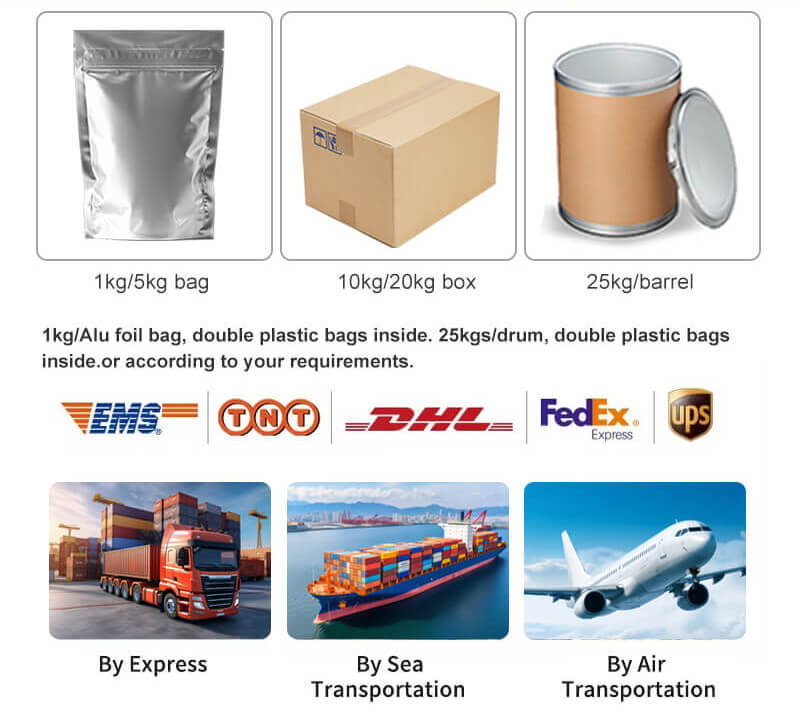
Logistics & Global Shipping
International express: DHL / FedEx / UPS for samples and small orders (3–7 days)
Air freight: For medium-volume orders (5–10 days)
Sea freight: For bulk commercial orders (20–35 days)
Shipping to: Worldwide, including remote regions; EXW, FOB, CIF, DDP terms available
Customs support: Commercial invoice, packing list, certificate of origin, and required health certificates provided for every shipment
Quality Assurance & After-Sales
Batch retention samples stored for minimum 3 years
Quality issue response: Within 24 hours; replacement or credit for confirmed non-conforming material
Dedicated account manager for ongoing customers
Technical hotline: R&D and QA teams available for formulation troubleshooting and regulatory queries
fAQ
Q1: What is the difference between liposomal CoQ10 and regular CoQ10?
Regular CoQ10 (ubiquinone) is a crystalline, fat-soluble compound with poor water solubility and low oral bioavailability (typically 2–3%). Liposomal CoQ10 is encapsulated within nano-sized phospholipid vesicles (liposomes) that protect the molecule from gastric degradation and facilitate direct cellular absorption. Clinical data shows liposomal CoQ10 achieves 22–31% higher plasma AUC and Cmax compared to standard CoQ10, with some advanced formulations demonstrating up to 4.3-fold higher AUC.
Q2: Why do you use sunflower lecithin instead of soy lecithin?
Sunflower lecithin is naturally non-GMO, allergen-free, and contains a higher proportion of phosphatidylcholine (PC, ~25–30%) compared to soy lecithin (~20–25%). PC is the primary bilayer-forming phospholipid; higher PC content translates to more uniform liposome structures, better encapsulation efficiency, and improved stability. Sunflower lecithin also avoids the allergen labeling and GMO concerns associated with soy-based ingredients, which is increasingly important for clean-label and hypoallergenic product positioning.
Q3: What does "encapsulation efficiency ≥ 80%" mean, and why does it matter?
Encapsulation efficiency (EE%) is the percentage of total CoQ10 that is actually contained within the liposome bilayer versus free (unencapsulated) CoQ10 in the powder. An EE% ≥ 80% means at least 80% of the CoQ10 is protected within liposomes and will benefit from enhanced absorption. Products with low EE% are essentially standard CoQ10 powder with a small amount of phospholipid mixed in — they do not deliver true liposomal benefits. We measure EE% by HPLC after ultrafiltration separation of free vs. liposomal CoQ10.
Q4: Is liposomal CoQ10 suitable for people taking statin medications?
Yes. Statins (HMG-CoA reductase inhibitors) inhibit the same biochemical pathway that produces endogenous CoQ10, leading to well-documented CoQ10 depletion. Systematic reviews indicate CoQ10 supplementation may help support mitochondrial function in statin users. Liposomal CoQ10 is particularly advantageous because statin users may have altered lipid metabolism that further reduces absorption of standard fat-soluble CoQ10. As with any supplement, customers should consult their healthcare provider.
Q5: What is the recommended dosage for finished products?
For general cardiovascular and antioxidant support: 50–100 mg of liposomal CoQ10 per day (equivalent to ~100–200 mg of standard CoQ10 due to enhanced bioavailability). For high-potency or clinical-positioned products: 100–200 mg per day. For fertility support protocols: 100–200 mg per day, typically taken for 3–6 months prior to conception attempts. Always adhere to local regulatory maximums and include appropriate disclaimer language.
Q6: How stable is liposomal CoQ10 powder during storage and manufacturing?
Under recommended storage (cool, dry, sealed, protected from light, 2–8°C), the powder maintains ≥ 90% assay retention for 24 months. Accelerated stability testing at 40°C / 75% RH confirms stability for 6 months. The powder is compatible with standard capsule filling, tableting, and softgel manufacturing processes; we recommend maintaining processing temperatures below 60°C to preserve liposome integrity.
Q7: Can liposomal CoQ10 powder be used in beverages and liquid products?
Yes. The powder is water-dispersible and forms a stable, homogeneous milky emulsion upon mixing with cold or room-temperature water. It is suitable for ready-to-drink beverages, powdered drink mixes, and sublingual sprays. We recommend pH 5.5–7.5 for liquid formulations and can provide specific stability data for your beverage base upon request.
Q8: What documentation do you provide for regulatory compliance?
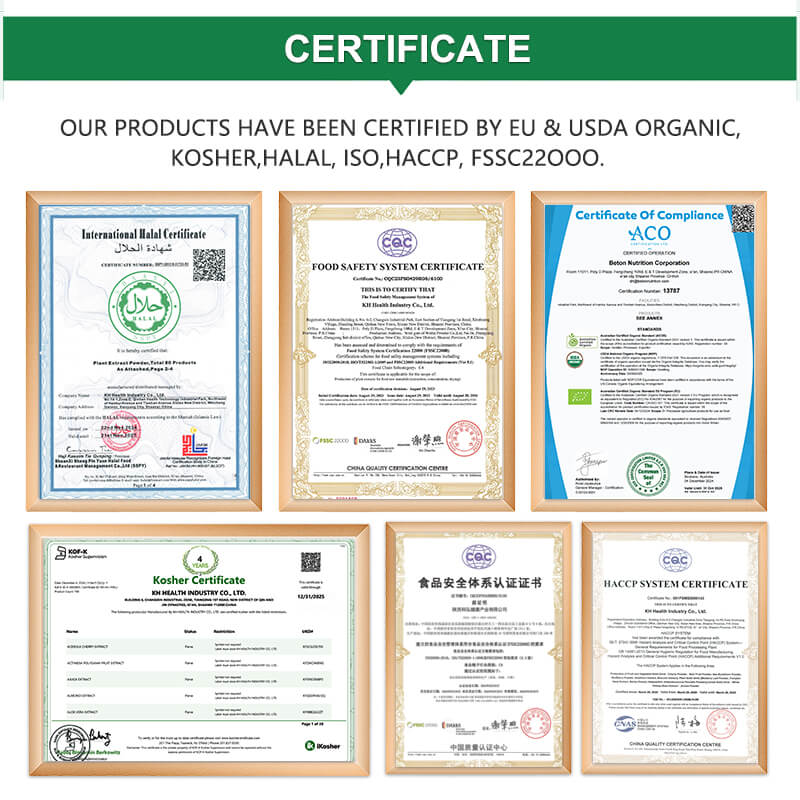
Every shipment includes: Certificate of Analysis (COA) with batch-specific test results, Technical Data Sheet (TDS), Material Safety Data Sheet (MSDS), Allergen Statement, GMO-Free Declaration, and Certificate of Origin. Additional documentation — including KOSHER/HALAL certificates, ISO certifications, third-party lab reports (SGS/Eurofins), and stability study summaries — is available upon request.
Q9: Can you produce custom formulations or co-loaded liposomal products?
Yes. Our R&D team supports custom assay levels (40%–50%), alternative phospholipid sources, and co-loaded liposomal formulations combining CoQ10 with synergistic ingredients such as PQQ, ginseng saponin, resveratrol, or curcumin. Minimum order for custom development is typically 50 kg, with a 4–6 week development and sample approval cycle.
Q10: How do I request a sample or get a quotation?
Contact our sales team with your target specification (assay %, grade), estimated annual volume, and destination country. We typically provide 10–50 g evaluation samples free of charge (customer covers express shipping). Formal quotations are issued within 24 hours of receiving your inquiry, including unit pricing at volume tiers, lead time, and available shipping terms.
KH Health is your trusted partner, dedicated to listening to customers, solving every problem, and providing quick responses. For any questions or assistance regarding liposome CoQ10 powder, feel free to contact us via:
Email: sales@kh-health.com
WeChat: +86 13096987266
WhatsApp: +86 18792880979
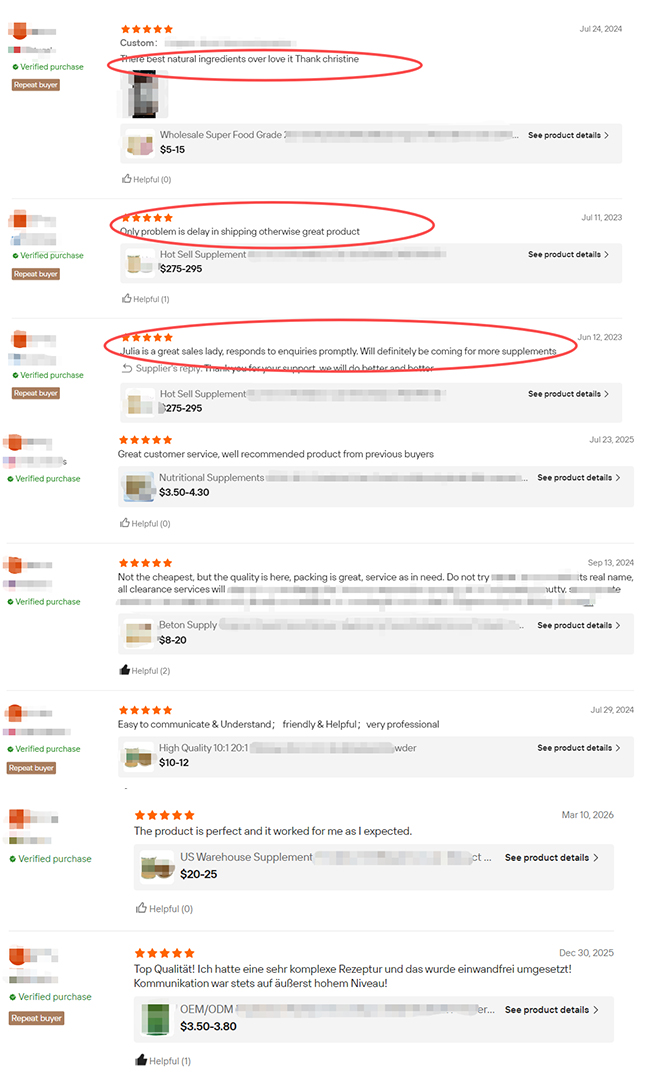
Customers' Feedback
packing and shipping
Inquire Now!
If you have any needs, please feel free to contact me and I will be happy to serve you.