
 +86 13096987266

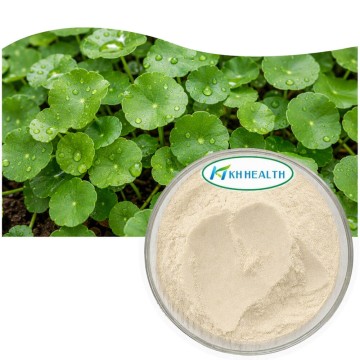
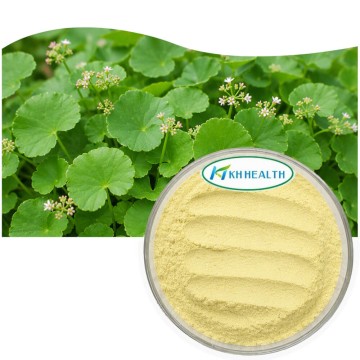
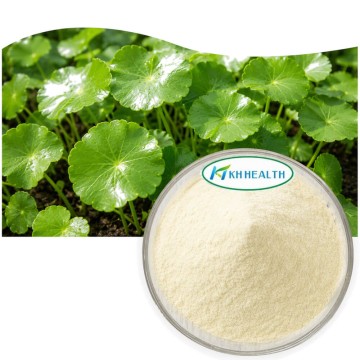
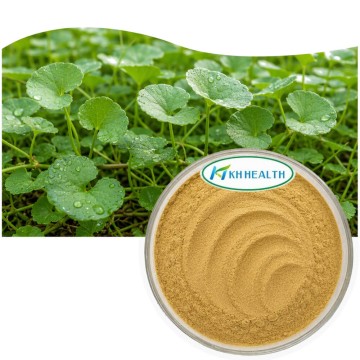
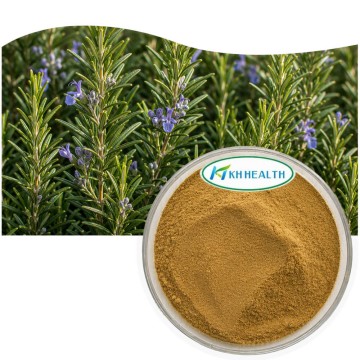
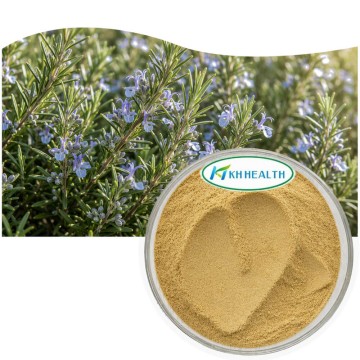
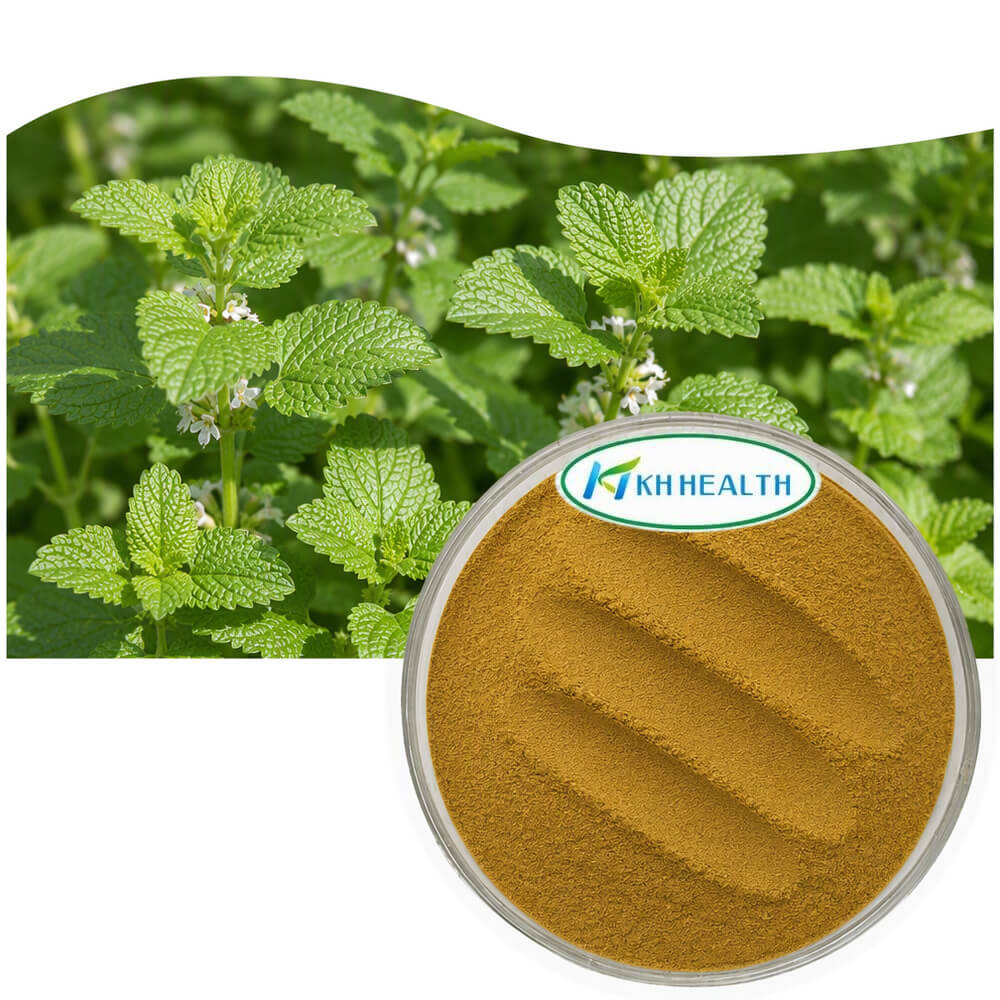
Lemon Balm Extract 5% Rosmarinic Acid
Product Introduction
Lemon balm extract is a standardized botanical extract made from the dried leaves of Melissa officinalis L., a Lamiaceae (mint family) herb native to southern Europe and the eastern Mediterranean. The leaves are extracted with water or a food-grade aqueous-ethanolic solvent, clarified, optionally purified on adsorbent resin, and then vacuum-concentrated and spray-dried to a free-flowing powder. The result is not a ground leaf powder and not an essential oil — it is a defined concentration of a characteristic phenolic marker inside a concentrated botanical matrix.
Rosmarinic acid is that marker. It is a depside — an ester of caffeic acid and 3,4-dihydroxyphenyllactic acid — and it is the most abundant single phenolic compound in Melissa officinalis. In our product it is present at not less than 5% by weight, quantified against a certified reference standard by high-performance liquid chromatography.
Each batch undergoes rigorous quality control, including HPLC testing for active compound verification and comprehensive heavy metal screening (Pb, As, Cd, Hg) to meet international safety standards (e.g., USP, EP, and FDA guidelines). Ideal for dietary supplements, functional foods, cosmetics, and pharmaceutical applications.
Product benefits
1. Supports Calm & Relaxation: Rosmarinic acid modulates the GABA pathway, helps ease nervous tension, maintains a balanced mood, widely used in stress-support formulations.
2. Powerful Antioxidant: Rosmarinic acid scavenges free radicals, protects cells from oxidative damage caused by environmental stress and UV exposure.
3. Anti-Inflammatory & Skin Soothing: Reduces skin redness and irritation; suitable for sensitive skincare formulas; helps calm the reactive skin barrier.
4. Antimicrobial Activity: Inhibits selected microbes; applied in oral care and topical formulations.
5. Synergistic flavonoids: Naturally co-existing flavonoids work together with rosmarinic acid to strengthen antioxidant activity.
Product applications
Mood Health & Stress-Support Supplements
Demand for natural calm and stress-support ingredients keeps rising as consumers look for gentle botanicals for everyday mood balance.
The rosmarinic-acid-standardized powder blends cleanly with L-theanine, ashwagandha, and other calming actives in capsule and tablet formats.
Sleep & Relaxation Products
The sleep-support category continues to expand, with brands favoring botanical blends over heavier sedative actives for nightly routines.
Lemon balm extract suits bedtime capsules, powders, and drink mixes and combines well with chamomile, valerian, and magnesium.
Digestive Health & Herbal Beverages
Functional teas and digestive-comfort beverages increasingly feature traditional soothing botanicals for after-meal and everyday occasions.
The water-dispersible, pleasantly flavored powder suits herbal teas, stick packs, sachets, and ready-to-mix drinks at formulation-specific use levels.
Soothing and anti-aging cosmetics
Topical use of Melissa extract is well established, and the specification you need is different from the nutraceutical grade. Cosmetic grades are commonly standardized at a far lower rosmarinic acid level — around 0.3% is typical for a liquid extract — and used at 1–3% in the finished formula. If you are sourcing a cosmetic-grade material, do not compare its percentage against the 5% nutraceutical grade; you are buying a different product for a different load level.
Animal nutrition and pet products
Melissa officinalis leaf extract is authorized in the EU as a sensory feed additive (flavouring compound) for all animal species under Commission Implementing Regulation (EU) 2022/653, at a maximum of 100 mg active substance per kg of complete feed, and it may not be used in drinking water for this function. If your target market is the EU and your application is feed, work from that Regulation rather than from a supplement specification.
Why choose us?
Professional Production Expertise
We are a professional plant extract manufacturer with 15+ years of production experience, focusing on standardized herbal extract R&D and production.
Customization Services: We offer customized small-package solutions, including logo placement and label design.
Partnership Track Record: We specialize in customizing small-package functional powder products and maintain long-standing, stable partnerships with clients in the United States and Brazil.
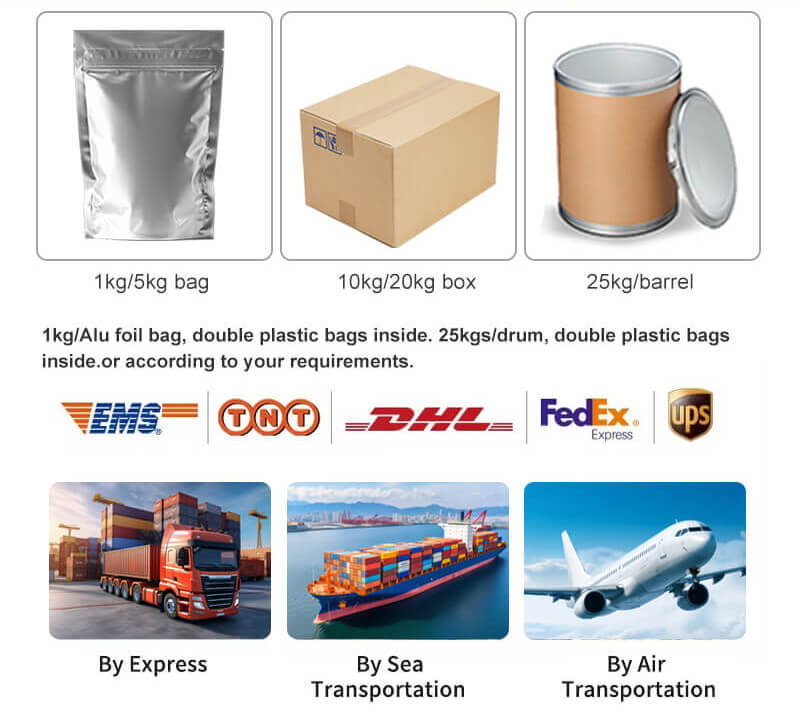
Logistics and Delivery: We partner with leading carriers (such as DHL, FedEx, and COSCO Shipping) to support a variety of logistics methods, including sea freight, air freight, and express delivery.
Trade Shows and Communication Services: We regularly participate in major international exhibitions—such as CPhI, API, FIC, Vitafoods, SSW, and Fine Food—where we showcase our products and provide samples on-site, facilitating convenient in-person inspections and collaborative discussions with clients.
Multilingual Team: We have a team of people who help with trade and answer technical questions. This multilingual team is available to help clients 24 hours a day. The multilingual team can speak languages, including English, German, and Japanese. This helps us talk to clients from countries and understand what they want from our trade shows and communication services.
case study
European supplement brand, sleep-support capsule
The brand's sleep-support capsule was formulated with a 2% rosmarinic acid lemon balm extract and had to be sold in a size 00 capsule. The formula was crowded, and the size 00 shell was already the largest the brand's packaging line could handle. Any further addition to the blend was impossible without changing the whole product architecture.
We moved the specification to the 5% grade, which cut extract loading by more than half for the same theoretical marker input, and rechecked blend uniformity at the new low inclusion level with a premix step. We supplied the grade with a lot-specific COA and a carrier declaration, plus a stability data package so the brand's regulatory team could finalize the EU ingredient list without a further test cycle.
The brand retained the size 00 shell and the formula cleared its stability protocol on the first submission. Extract loading per capsule fell by more than 50% at equal marker input, which also reduced the sensory contribution of the botanical matrix.
fAQ
Q1. Your specification says 5% by HPLC. Another supplier offers 5% by UV. Are these the same?
No, and the difference is systematic rather than marginal. HPLC resolves rosmarinic acid as a single separated peak and quantifies it against a reference standard. A UV/VIS reading at around 330 nm measures everything absorbing in that region — rosmarinic acid together with chlorogenic acid, neochlorogenic acid, caffeic acid, salvianolic and lithospermic acid derivatives — and expresses the total as rosmarinic acid equivalents. For the same physical material, the UV figure is therefore normally higher than the HPLC figure. Before comparing two prices, compare the two methods. If a quotation gives a percentage without a method, ask which one it is.
Q2. What carrier is used, and will I have to declare it?
Our carrier is maltodextrin, and we declare the ratio on the COA. Yes — the carrier is an ingredient in your finished product and must be declared where your market requires it. It is typically corn-derived, which matters for grain-sensitive or gluten-free positioning. If you need a different carrier or a carrier-free specification, raise it at enquiry; it is a production-planning item.
Q3. Can you supply the same grade from a different botanical source?
We supply a rosmarinic-acid-standardized extract from perilla as well. The two are not interchangeable for claim purposes: the human trial evidence for anxiety, mood, sleep and cognition was generated on Melissa officinalis preparations, while the allergy evidence sits with perilla.
Q4. What documents come with a shipment?
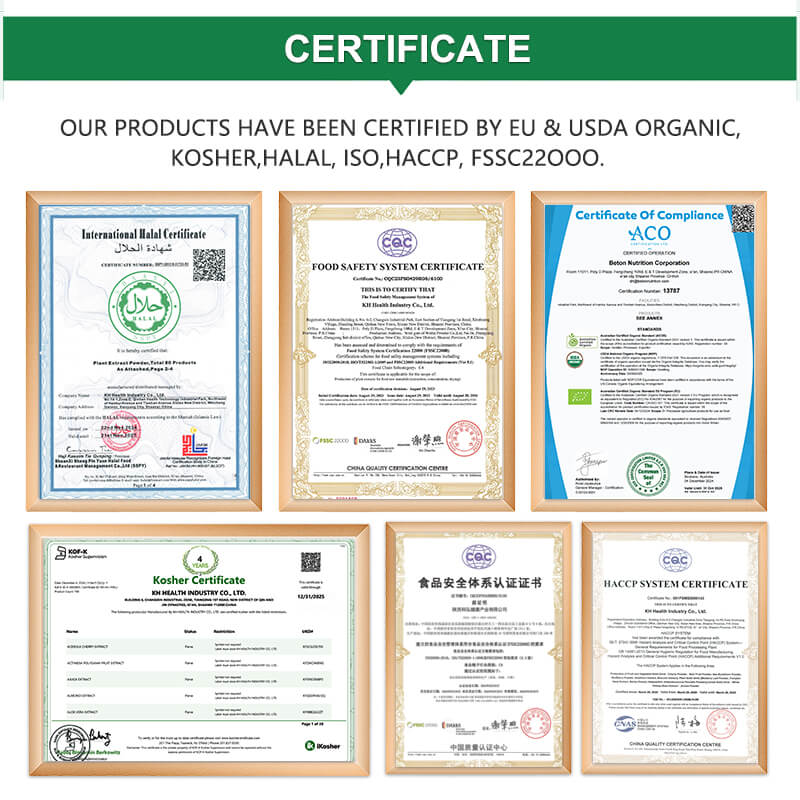
COA, TDS, MSDS, allergen statement, non-GMO statement and BSE/TSE statement as standard. Heavy metal and microbial reports are included and third-party verification at a laboratory of your choosing is available on request. Kosher, Halal and organic certificates are issued on request where applicable to the lot.
Q5. What is your MOQ and lead time?
25 kg for a standard drum. Stock items typically ship in 3–15 days, and a custom specification takes 7–20 days depending on the parameter being adjusted.
Q5. Can you help with regulatory requirements in my market?
We supply the documentation your registration or customs process needs — COA, TDS, MSDS, allergen, non-GMO and BSE/TSE statements, plus certificates where held. For the EU feed category, the applicable authorization is Commission Implementing Regulation (EU) 2022/653, which sets the authorized composition, marker range and labelling conditions; work from that Regulation rather than from a supplement specification. We do not act as a regulatory agent and we do not give legal advice. The final determination on allowable claims and labelling for your market is yours or your regulatory consultant's.
For any questions or assistance regarding bulk lemon balm extract 5% rosmarinic acid powder, feel free to contact us via:
Email: sales@kh-health.com
WeChat: +86 13096987266
WhatsApp: +86 18792880979
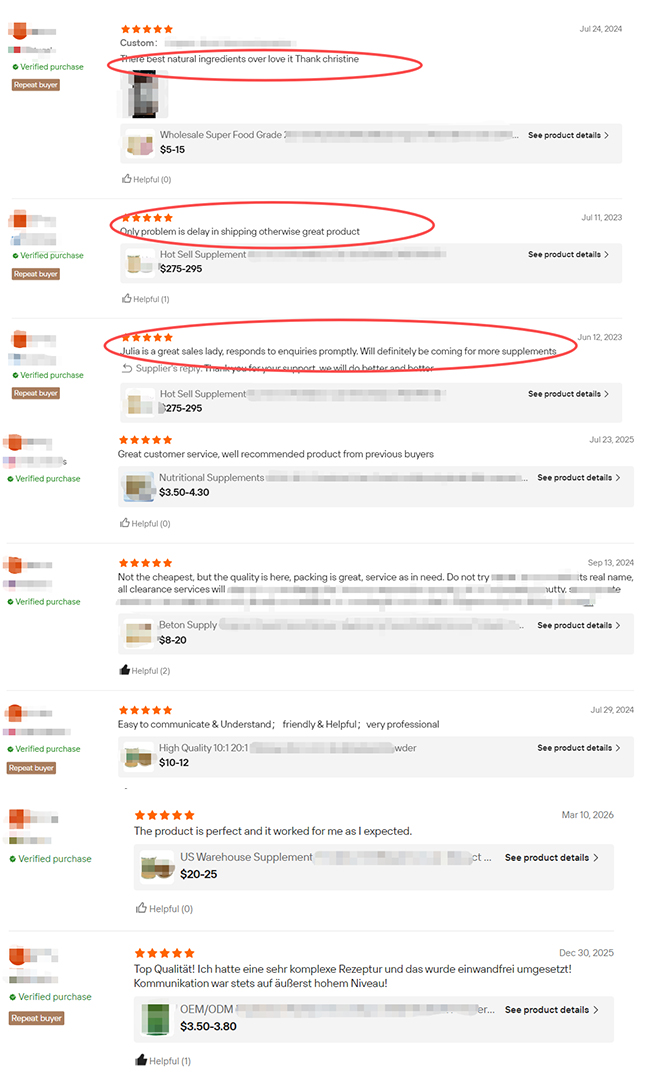
Customers' Feedback
Customers' Feedback
Inquire Now!
If you have any needs, please feel free to contact me and I will be happy to serve you.