
 +86 13096987266

Hibiscus sabdariffa roselle flower extract
Product Introduction
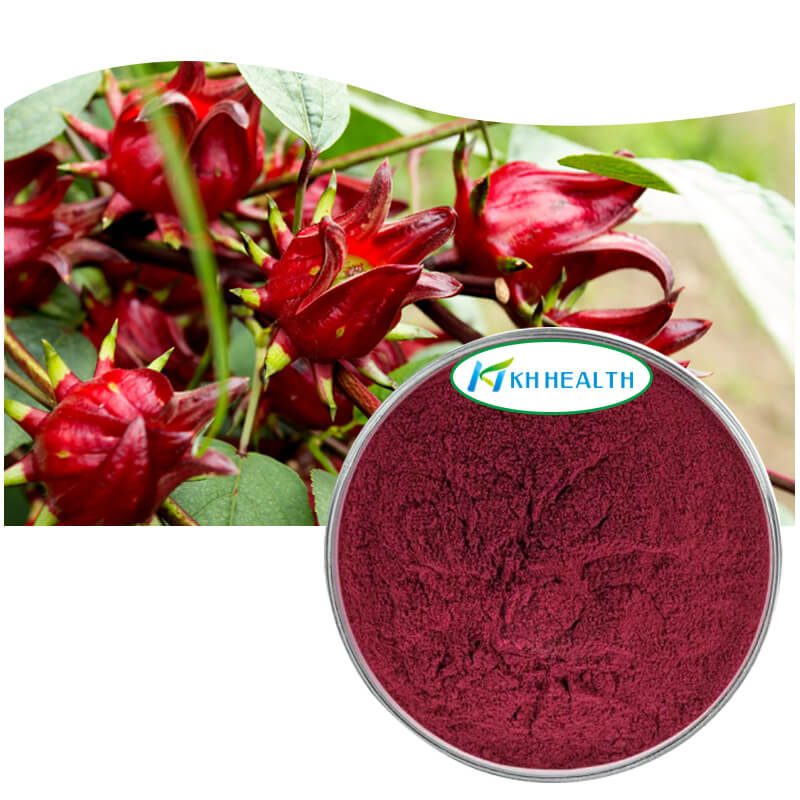
Derived from the dried, fleshy calyces (not petals) of *Hibiscus sabdariffa* L. (Malvaceae family), this Rosella Flower Extract is produced using raw materials sourced from Yunnan and Fujian. We maintain stable year-round inventory through dedicated, company-owned sourcing bases; every batch comes with origin traceability documentation and preliminary pesticide residue screening reports.
The product is manufactured using a low-temperature water extraction process, ensuring no organic solvent residues and maximizing the retention of active compounds such as anthocyanins, hydroxycitric acid (HCA), and polyphenols. It appears as a uniform, fine powder ranging from purplish-red to deep purplish-red (fully sieved through 80–100 mesh) and possesses the characteristic sweet-and-sour fruity aroma of natural roselle. It offers excellent water solubility—dissolving rapidly in cold or warm water to form a clear, rose-red solution—and is free from clumping or added artificial colors. High-anthocyanin specifications exhibit a deeper wine-purple-red hue. The product complies with EU Regulation EC 1333 and US FDA standards for food ingredients.
We can offer:
Anthocyanins 10% (European Standard)
Product benefits
1 Dietary Supplements
Cardiovascular support and regulation of blood pressure and lipids: Anthocyanins inhibit ACE (angiotensin-converting enzyme) activity, promoting vasodilation; HCA and polyphenols work synergistically to lower LDL ("bad") cholesterol and triglycerides; multiple human controlled trials confirm that long-term supplementation helps stabilize systolic blood pressure in individuals with mild hypertension.
Natural antioxidant and free radical scavenger: Rich in delphinidin-3-sambubioside and cyanidin derivatives; exhibits superior antioxidant activity compared to Vitamin C, protecting against cellular oxidative damage, delaying aging, and boosting cellular antioxidant defenses.
Weight and metabolic management: HCA inhibits ATP-citrate lyase, blocking endogenous fatty acid synthesis and reducing visceral fat accumulation; it helps stabilize postprandial blood glucose, making it suitable for sugar-control and fat-loss supplement formulations.
Diuretic, liver-protective, and anti-edema effects: Natural organic acids promote renal water excretion, alleviating bodily bloating; polyphenols repair oxidative damage to liver cells; traditional use and modern studies support its role in aiding alcohol metabolism and protecting the liver.
2 Topical Skincare Benefits
Antioxidant and anti-aging: Neutralizes skin free radicals, improves fine lines and dullness, and delays photo-aging.
Gentle skin renewal and oil control: Natural organic acids (mild AHAs) gently exfoliate dead skin cells and inhibit tyrosinase activity, helping to brighten the complexion and address issues associated with oily skin, such as excess sebum and acne.
Soothing and barrier repair: Anti-inflammatory active ingredients soothe redness and sensitivity while repairing damaged scalp or skin barriers; commonly used in hair care and reparative serum formulations.
Product applications
Functional Health Foods & Dietary Supplements
Compressed candies, hard capsules, powdered meal replacements, solid beverages, and herbal blend powders; featuring formulas for blood pressure management, fat reduction, antioxidant support, and liver protection; utilizes mainstream herbal ingredients found in Western health supplement brands.
Food & Beverage Industry
Sparkling drinks, fruit vinegars, yogurt, jelly, jams, functional teas, and sugar-free syrups; serves as a substitute for artificial red colorants and a natural acidulant (replacing citric acid); fully compliant with GB2760 standards for natural colorants.
Beauty & Personal Care
Anti-aging serums, brightening creams, oil-control toners, anti-acne concentrates, herbal shampoos, scalp repair serums, and hair conditioners (combining natural red plant pigments with active functional ingredients).
Pharmaceutical Intermediates & Pre-formulated Ingredients
Ingredients for Traditional Chinese Medicine (TCM) compound formulas, herbal tinctures, and raw materials for topical antibacterial preparations.
Product Evidence
Supported by Authoritative Scientific Literature
Literature indexed in PMC (U.S. National Library of Medicine)—specifically the study "Phytochemical and antibacterial properties of calyces *Hibiscus sabdariffa* L."—confirms the pharmacological activities of the extract's polyphenols and anthocyanins, including anti-inflammatory, antibacterial, and cardiovascular-regulating effects.
A paper on green extraction published in Wiley’s *Journal of Food Science* details the retention rates of active ingredients achieved by our primary extraction process, with content levels benchmarking against values measured in the literature.
Compliance and Certification
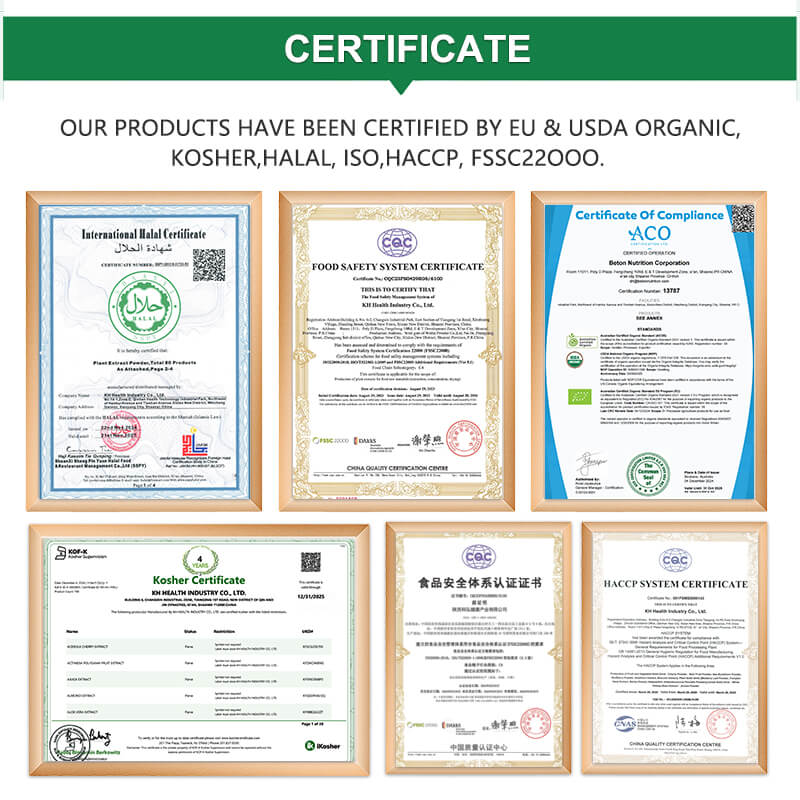
Domestic SC Food Production License and business license of the raw material manufacturer;
FDA filing for food ingredients;
Comprehensive Certificate of Analysis (COA) for every batch (covering physicochemical properties, composition, heavy metals, and microbiological parameters).
Client Case Studies
We partner with over 80 global manufacturing facilities across the health supplement, food, and cosmetics sectors—including major dietary supplement brands in Europe and the U.S., and leading beverage manufacturers in Southeast Asia; anonymized application case studies are available upon request.
Regulatory Compliance
The raw material is included in China’s list of New Food Raw Materials, the EU’s list of permitted natural colorants, and the U.S. GRAS (Generally Recognized As Safe) list; it meets compliance requirements across multiple global regions, ensuring no regulatory risks regarding its use.
fAQ
Q: Are Rosella Flower Extract and Hibiscus Extract the same product?
A: They are identical. "Rosella" (or "Roselle") is the common trade name used in Africa and Southeast Asia, while *Hibiscus sabdariffa* is the scientific name; in China, it is commonly known as *Luoshenhua* (Roselle) or *Meiguiqie* extract. The raw materials, composition, and efficacy are the same; the only difference lies in the trade name used for export.
Q: What causes poor water solubility or the formation of sediment in the product?
A: High-HCA specifications may exhibit trace organic acid crystallization in low-temperature, high-acidity environments, but they dissolve completely in warm water at 40°C. Standard anthocyanin specifications are fully water-soluble; if sediment occurs, you may request a replacement batch.
Q: How can discoloration during storage in beverages be prevented?
A: Anthocyanins are prone to discoloration when exposed to strong acids, strong alkalis, or intense light. Stability can be maintained by controlling the formulation pH between 3.2 and 4.5 and storing the product in a sealed, light-protected environment. Our company can guide stability-focused formulations.
Q: How is compensation guaranteed if heavy metal levels exceed limits?
A: All shipped products come with a third-party heavy metal test report. If a customer's re-test shows levels exceeding limits, we provide a full refund and cover round-trip shipping costs; this compensation policy is included in the purchase contract terms.
For any questions or assistance regarding natural roselle anthocyanin extract, feel free to contact us via:
Email: sales@kh-health.com
WeChat: +86 13096987266
WhatsApp: +86 18792880979
Customers' Feedback
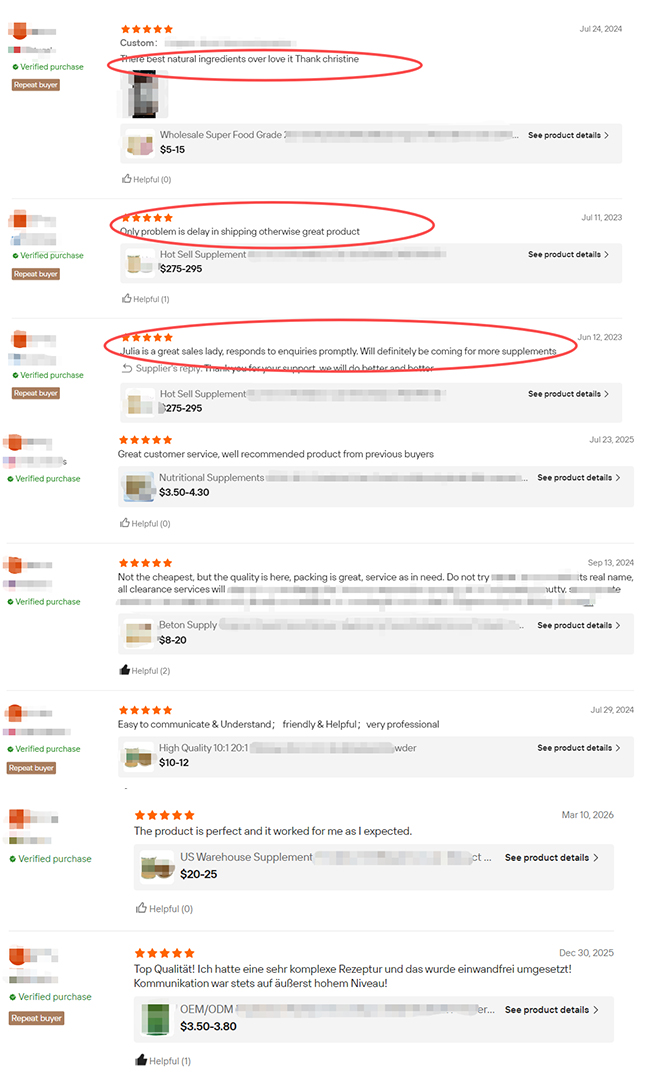
Customers' Feedback
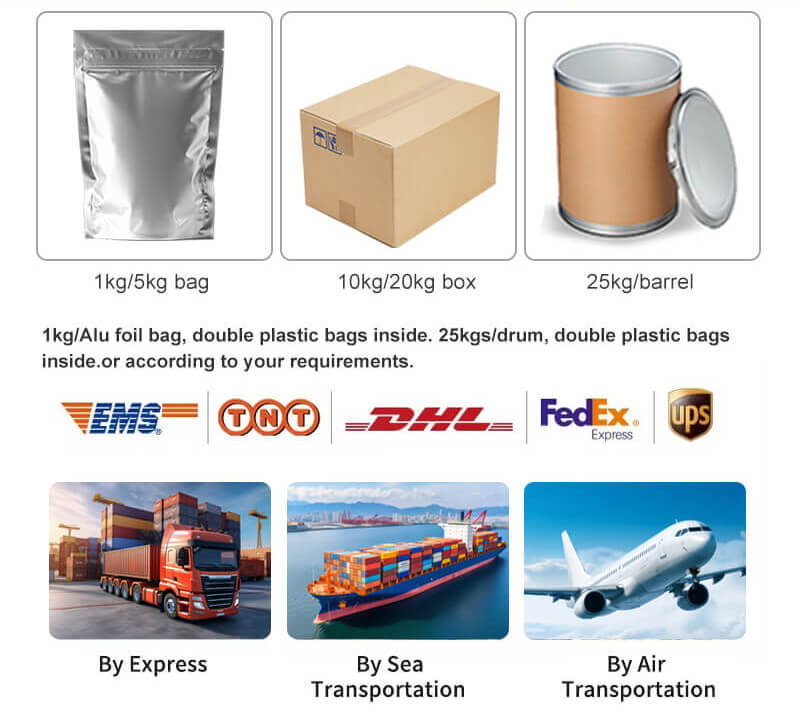
Inquire Now!
If you have any needs, please feel free to contact me and I will be happy to serve you.