
 +86 13096987266

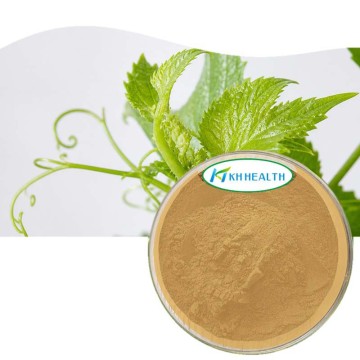
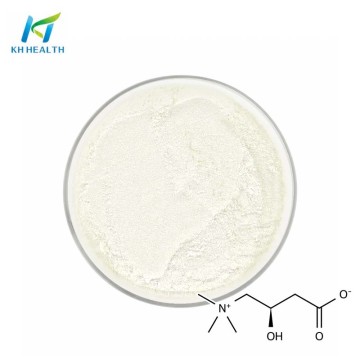
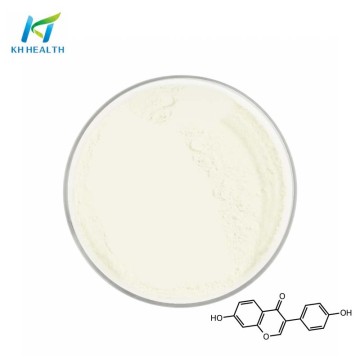
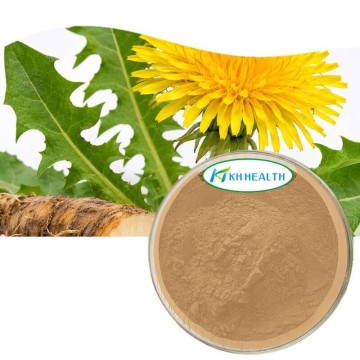
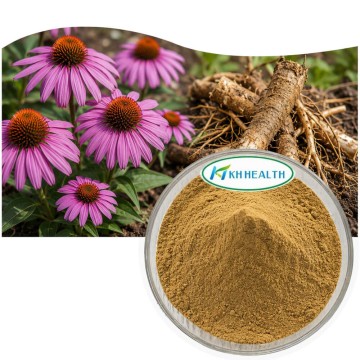
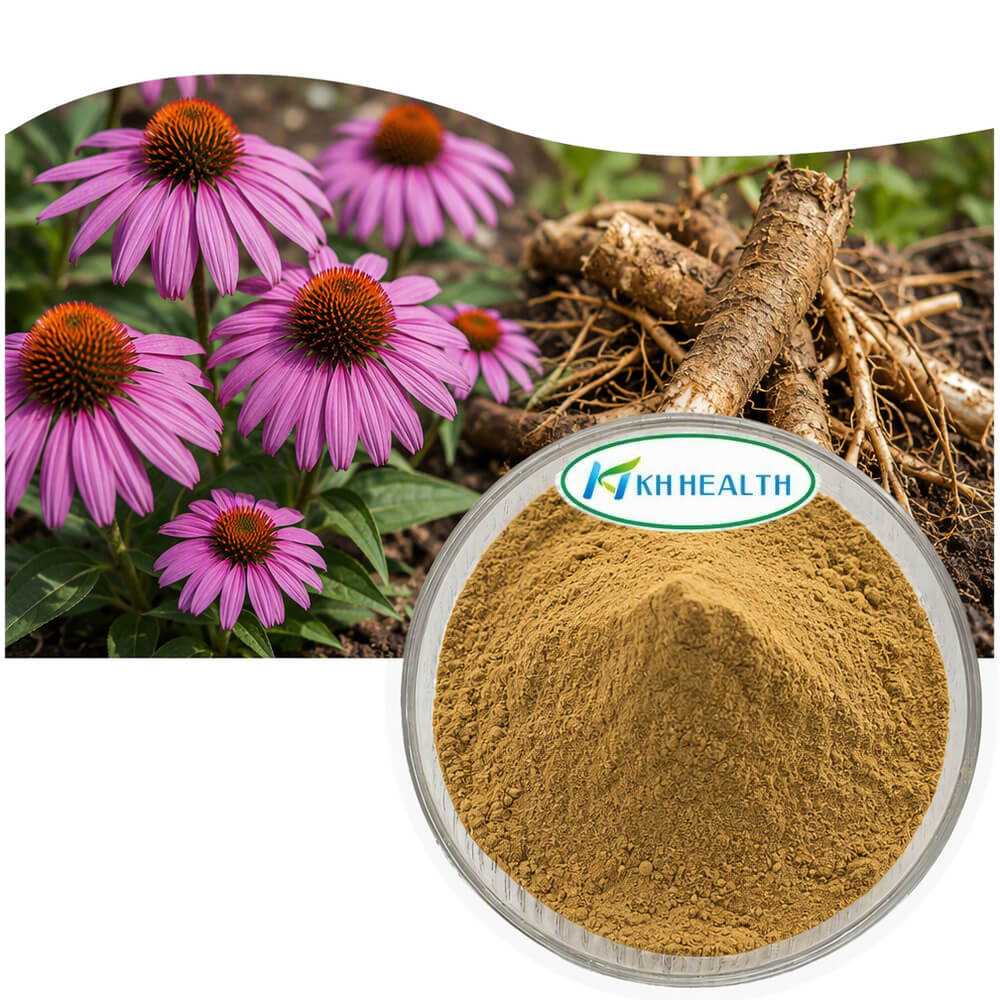
Echinacea Purpurea Extract 4% Echinacoside
product description
Echinacoside (CAS 82854-37-3) is the signature caffeoyl phenylethanoid glycoside of the Echinacea angustifolia DC. root and the Echinacea pallida root.
We supply standardized echinacea extract (4% echinacoside) by HPLC derived from authenticated Echinacea angustifolia DC. root (with E. pallida available on specification). Where a purpurea claim is mandatory, we provide dual-standardized extracts standardized to native cichoric acid and total polyphenols.
Product strength
1. Multi-Tier Botanical Defense
Raw material intake requires three-to-five-year autumn-harvested roots accompanied by geographical traceability. Genome sequencing (ITS2/rbcL) blocks non-target species at receiving, while lot-specific HPTLC and LC-MS/MS testing eliminate cross-genus Cistanche adulteration.
2. Low-Temperature Glycosidic Bond Preservation
Echinacoside contains two heat- and pH-sensitive functional groups: the caffeoyl ester bond and the rhamnosyl-(1→3) / glucosyl-(1→6) glycosidic linkages. Conventional high-temperature extractions (80–95 °C) cause thermal hydrolysis, cleaving the active into free caffeic acid and degraded by-products. We utilize a low-temperature hydroethanolic countercurrent process (40–55 °C) buffered at pH 5.0–6.0, maintaining >98% native molecular integrity into the finished powder.
3. Selective Macroporous Resin Enrichment
E. angustifolia root contains baseline echinacoside concentrations of roughly 0.3–1.0%. Achieving a standardized 4.0% requires separation rather than synthetic spiking. Our macroporous resin adsorption separates phenylethanoids from free sugars, gums, and inorganic salts. A subsequent polyamide polish refines the echinacoside-to-acteoside ratio while preserving native caffeic acid derivatives and alkylamides.
4. Anti-Hygroscopic Densification
Unprocessed root extracts are naturally hygroscopic due to residual oligosaccharides, frequently leading to moisture uptake, hopper bridging, and tooling adhesion at relative humidity levels above 50%. We utilize micro-agglomerative densification (without synthetic binders or anti-caking excipients) to yield a spherical micro-granule with bulk density of 0.45–0.60 g/mL and water activity ≤0.22 Aw. This improves volumetric flow and fill consistency on high-speed encapsulation and tableting equipment.
5. Physical Steam Sanitization
Root botanicals carry natural environmental bioburden. To preserve product integrity without compromising market compliance, we reject ethylene oxide (ETO) and gamma irradiation. A validated physical steam sanitization system reduces bioburden while protecting heat-labile glycoside bonds, fully supporting EU food supplement regulations and clean-label declarations.
Product benefits
1. Cellular Immune Modulation
Unlike standard polysaccharide-only fractions, echinacoside-rich extracts engage both innate and adaptive cellular defense:
Phagocytic Priming: Activates macrophages and monocytes, regulating balanced cytokine release (TNF-α, IL-1β, IL-6).
Lymphocyte Support: Promotes natural killer (NK) cell cytotoxic activity and supports CD4+/CD8+ T-cell population balance.
Multi-Pathway Synergy: Native alkylamides enhance immune signaling, while retained polysaccharides provide complementary complement-pathway modulation.
2. Neuroprotective & Redox Balance
Echinacoside features dual catechol moieties on its caffeoyl and hydroxytyrosol aglycone structures, facilitating hydrogen-donating radical scavenging and transition-metal chelation. Preclinical models indicate that it:
Preserves mitochondrial membrane potential under oxidative challenge.
Supports endogenous antioxidant defense systems via the Nrf2 pathway.
Dampens lipid peroxidation in cellular membranes.
3. Connective Tissue & Mucosal Support
Phytochemical studies show that Echinacea phenylethanoids and associated polysaccharides stimulate fibroblast migration and collagen synthesis. This cellular mechanism underpins its traditional application in tissue repair and mucosal epithelial integrity.
4. Adaptogenic Physiological Resilience
In preclinical models of prolonged physical load and environmental stress, echinacoside-rich fractions modulate the hypothalamic-pituitary-adrenal (HPA) axis, supporting normal corticosterone regulation and cellular energy conservation.
Product application
Immune Capsules & Tablets: Ideal as a primary active in premium immune defense formulas. The densified grade (0.45–0.60 g/mL) pairs efficiently with zinc chelates, beta-glucans, and elderberry extract without segregation.
Powder Blends & Stick Packs: Free-flowing properties allow direct dispersion in cold or warm liquids. Its mild herbal-sweet flavor profile easily integrates into citrus, berry, or tea matrices.
Liquid Drops, Throat Sprays & Syrups: Hydroethanolic-soluble grades dissolve cleanly into water-glycerin-ethanol carriers (pH 4.0–6.0) without haze or rapid sedimentation.
Skin Nutrition & Convalescent Formulations: Acts as an internal botanical active in premium collagen complexes and skin resilience products.
Companion Animal Nutrition: Utilized in soft chews, tablets, and functional meal toppers for senior dogs and cats requiring immune support. Non-irradiated processing meets stringent premium pet nutrition standards.
case study
European Phytopharma brand:
A European contract development and manufacturing organisation was filling a herbal immune capsule for a pharmacy-chain client on a high-speed dosator filler. The formulation carried 300 mg of 4% echinacoside echinacea extract per capsule, and the incumbent material — a standard spray-dried root powder — failed the line in a way that had become routine. In a filling room running above 50% relative humidity in summer, the powder picked up moisture within the first hour of a shift, became cohesive, and bridged in the hopper. The operators were stopping the machine to break the bridge and clean the dosator roughly every twenty minutes, and the line logged a feeder stoppage rate of 25% against scheduled run time. Weight variation drifted, and the rejected-capsule rate climbed with it.
We supplied a custom anti-hygroscopic densified micrograde produced by controlled low-moisture micro-agglomeration and classification — no binder, no carrier, no anti-caking agent — specified at bulk density 0.55 g/mL and water activity below 0.20 Aw, at a 100 mesh cut for dosator filling.
Filling yield rose from 88% to 99.7%, fill-weight RSD came in below 1.0%, and the feeder stoppage rate fell from 25% to under 2% and the dehumidifier was retired from the room specification. The CDMO wrote the 0.55 g/mL, Aw <0.20 densified specification into its master batch record and adopted it as the standard echinacea input across two further products. Nothing was reformulated and no dose was reduced: a physical specification change converted a line that could not run into a line that runs.
Frequently Asked Questions (FAQ)
Q1: Why specify Echinacea angustifolia root instead of Echinacea purpurea for an echinacoside claim?
Phytochemically, echinacoside is the primary active marker of E. angustifolia (and E. pallida) root, present at 0.3–1.0% in dry raw material. Echinacea purpurea predominantly produces cichoric acid and contains negligible echinacoside. Sourcing an authenticated E. angustifolia extract ensures that your finished product labeling withstands analytical, identity, and regulatory review.
Q2: How can a quality laboratory differentiate authentic Echinacea extract from Cistanche adulteration?
Because Cistanche species also contain echinacoside, single-wavelength HPLC assay alone cannot prove botanical identity. A complete screening requires:
HPTLC fingerprinting to verify the characteristic band pattern against reference botanicals.
HPLC-DAD ratio evaluation, checking that the echinacoside-to-acteoside ratio sits within the native Echinacea range (1.5:1 to 4.0:1) and verifying the absence of cistanoside peaks.
Alkylamide verification, confirming the presence of lipophilic isobutylamides native to Echinacea and absent in Cistanche.
DNA barcoding (ITS2/rbcL) at raw material intake.
Q3: How does the anti-hygroscopic densified grade solve capsule filling issues?
Standard botanical root extracts contain hygroscopic polysaccharides that absorb ambient moisture above 50% relative humidity, causing powder bridging and weight variation. Our physical densification process increases bulk density to 0.45–0.60 g/mL and lowers water activity to ≤0.22 Aw without adding carriers or glidants. This maintains free-flowing powder behavior across extended manufacturing runs.
Q4: Why is physical steam sanitization preferred over irradiation or ETO?
Ethylene oxide (ETO) is an alkylating agent banned or heavily restricted in food supplements across key international markets (e.g., the European Union). Gamma irradiation generates free radicals that degrade sensitive phenylethanoid glycosides and caffeoyl ester linkages. Controlled saturated steam sanitization achieves required microbial reduction (Total Plate Count <3,000 CFU/g, pathogens negative) without chemical residues or active degradation.
For any questions or assistance regarding high-quality echinacea purpurea extract 4% echinacoside,feel free to contact us via:
Email: sales@kh-health.com
WeChat: +86 13096987266
WhatsApp: +86 18792880979
Customers' Feedback

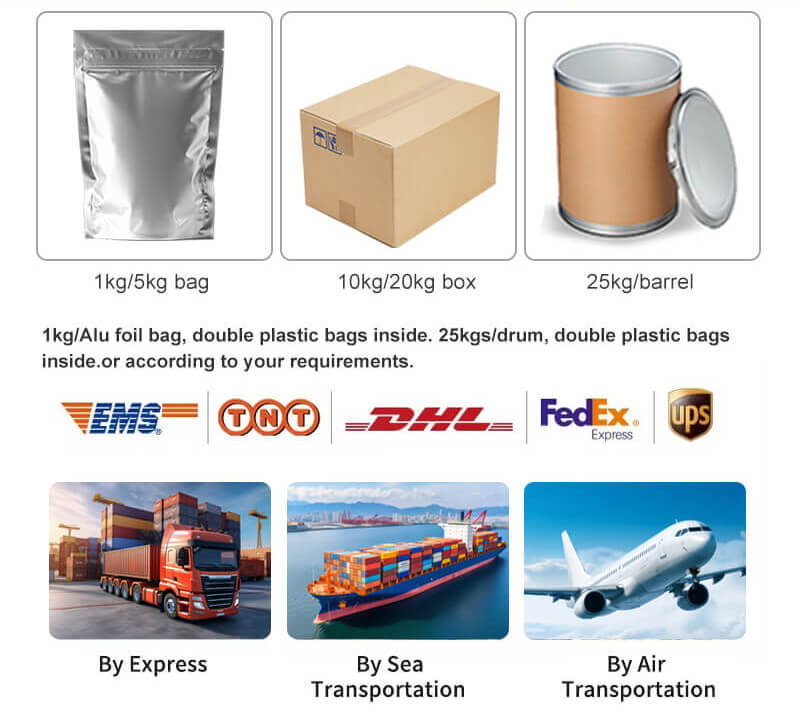
packing and shipping
Inquire Now!
If you have any needs, please feel free to contact me and I will be happy to serve you.