
 +86 13096987266

01
Corn Starch Powder Manufacturer
product description
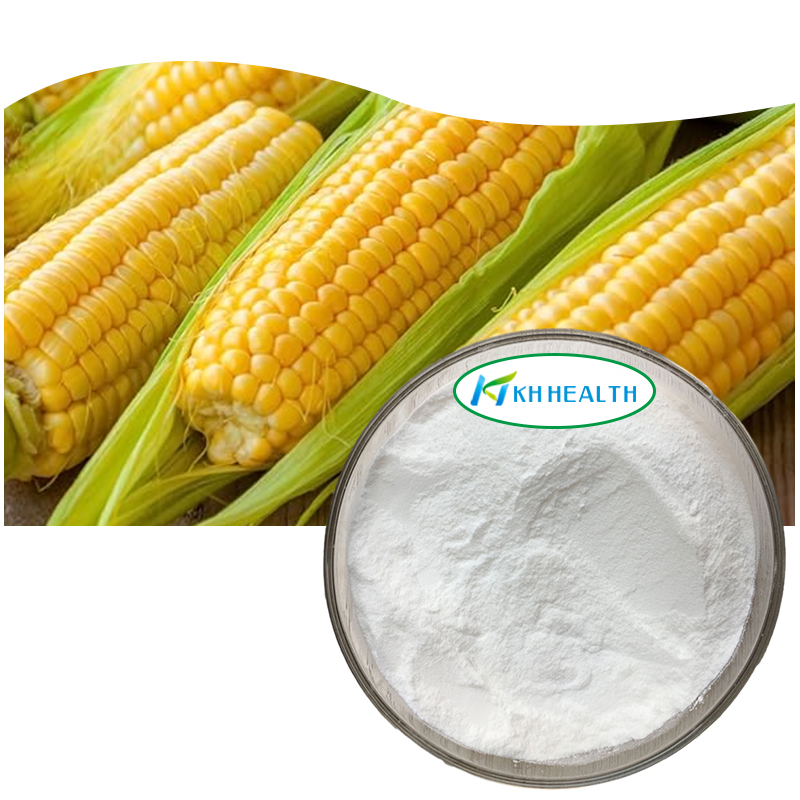
Corn starch powder, also known as corn flour (but in industrial and food professional fields, usually refers to the pure starch part with the protein and fiber removed), is a white powdery carbohydrate extracted from the endosperm of corn kernels. It is one of the largest and most widely used sources of starch in the world.
It is mainly composed of two glucose polymers: 25% amylose and 75% amylopectin.
Process Flow
1. Raw Material Receiving and Cleaning (Cleaning & Soaking Preparation)
2. Sulphite Soaking (Steeping)
3. Coarse Grinding & Germ Separation
4. Fine Grinding & Fiber Separation
5. Starch-Gluten Separation – Key to High Purity
6. Dewatering
7. Drying & Milling
8. Finished Product Packaging.
Product strength
Superior Thickening: When heated up, it turns into a gel that makes liquids and semi-solids have a better consistency without changing their taste.
Stabilizing Agent: It helps keep all the ingredients mixed together in emulsions so the product stays the same. Lasts longer.
Binding and Texturizing: It makes food and cosmetics feel smoother in your mouth giving them a finish.
Hypoallergenic Properties: It does not have allergens like gluten and additives so it is suitable for products that people, with sensitive skin or allergies will use.
Profile: It breaks down naturally and comes from renewable resources, which helps with eco-friendly projects.
Our starch is backed by KH Healths research and development team. It keeps the stuff in it, so it works well in many different situations.
Product application
1. Food Industry: In food processing, corn starch is primarily used as a thickener, stabilizer, gelling agent, filler, and anti-caking agent.
Sauces and Soups: Used to thicken ketchup, salad dressings, gravy, and broths, providing a smooth texture and shine.
Baked Goods:
Cakes/Cookies: Replaces some flour to reduce gluten content, resulting in a softer and more delicate texture.
Fillings: Used as a gelling agent in fruit pies and mooncake fillings to prevent water seepage.
Confectionery Manufacturing:
Gummy Candies/Gummy Bears: Used as a molding powder (anti-stick) and gelling matrix.
Hard Candies: Prevents crystallization and maintains transparency.
Meat Products: Added to sausages and ham to improve water retention, increase yield, and improve slicing properties.
Beverages: Used as a turbidity agent (in juice drinks) or stabilizer to prevent fruit pulp sedimentation.
Convenience Foods: Added to instant noodles and frozen dumpling wrappers to improve rehydration and cooking resistance.
Special Needs: A key ingredient in gluten-free foods, replacing wheat flour.
2. Pharmaceutical Industry: Pharmaceutical-grade corn starch must meet pharmacopoeia standards (such as USP, EP, ChP), with extremely strict controls on microorganisms and heavy metals.
Disintegrant: Utilizing its water-absorbing and swelling properties, it helps tablets disintegrate rapidly in the stomach, releasing the drug's effect (most common function).
Filler/Diluent: Increases tablet volume, ensuring accurate dosage, especially suitable for low-dose active drugs.
Binder: Provides binding force in wet granulation, causing powder to aggregate into granules.
Lubricant: Reduces friction during tableting.
Capsule Shell: One of the raw materials for vegetable capsules.
3. Paper Industry: Corn starch is one of the most widely used chemicals in the papermaking process, mainly used to improve paper quality and production efficiency.
Surface Sizing: Coated onto the paper surface to improve paper strength, smoothness, printability, reduce linting and dusting, and prevent ink penetration.
Bonding Agent: In multi-layer cardboard production, it enhances interlayer bonding and increases stiffness.
Coating Adhesive: Used as a pigment binder in coated paper.
Corrugated Paper Bonding: Starch adhesives are used to bond the layers of corrugated boxes (a huge consumer market).
4. Textile Industry:
In textiles, corn starch is primarily used as a warp sizing agent.
In textiles, corn starch is primarily used as a warp sizing agent.
Protecting Yarns: Sizing warp yarns before weaving forms a protective film, reducing friction between the yarn and machinery and preventing breakage.
Improving Efficiency: Makes yarns smoother and increases strength, significantly improving loom speed and efficiency.
Easy Desizing: After weaving, starch sizing is easily removed by enzymatic washing without damaging the fibers.
Printing and dyeing auxiliaries: Used as a thickener in printing pastes.
5. Industrial & Chemical Applications
This is a rapidly growing and high-value-added field, especially driven by environmental trends.
Biodegradable Materials:
Fully degradable plastics: Blended with PLA and PBAT to produce shopping bags, tableware, and agricultural mulch films.
Foamed materials: Used as a substitute for polystyrene (EPS) in cushioning packaging.
Adhesives: Used as a base material for water-based adhesives such as label adhesives, envelope adhesives, carton adhesives, and wood glue.
Foundry: Used as a molding sand binder to improve the surface finish of castings.
Oil Drilling: Used as a filtration reducer and thickener in drilling mud to stabilize the wellbore.
6. Cosmetics & Personal Care:
Talcum Powder/Loose Powder: Utilizing its hygroscopic and slippery properties, it replaces talcum powder (safer).
Dry Hair Spray: Absorbs oil.
Feed Industry: Although mainly used as a byproduct, high-purity starch is also used as an energy source in high-grade aquatic feed.
7. Emerging Applications:
3D Printing: As a component of bio-based printing materials.
Water Treatment: As a modified raw material for flocculants.
Battery Technology: Exploring its potential as a bio-based separator or electrode binder.
FAQ
Q: Is your corn starch non-GMO and gluten-free?
A: Yes, our corn starch is certified non-GMO and gluten-free.
Q: What is the lead time for orders?
A: Normally, 3-5 days after the order is confirmed.
Q: How do you make sure the corn starch is always of quality?
A: We use a strict system to check the quality at every step of the way. We also tested it by outside labs to make sure it is good.
Q: Do you have the papers we need to export?
A: Yes, we give you all the papers you need.
Q: What kinds of businesses do you mostly sell the corn starch to?
A: We mostly sell it to companies that make food, supplements, cosmetics and animal feed.
Contact Us Today: Email us at sales@kh-health.com or visit our website for a consultation. Let's collaborate to enhance your products with high-quality corn starch!
Inquire Now!
If you have any needs, please feel free to contact me and I will be happy to serve you.