Leave Your Message
0%

Okay, so I can't really work with this – you didn't give me any articles or verified expert quotes. I mean, I can't just make up experts or attribute made-up lines to real people, that's not cool. So if you could send over the relevant articles or expert sources, then I'll definitely write those English quotes for you, no problem.
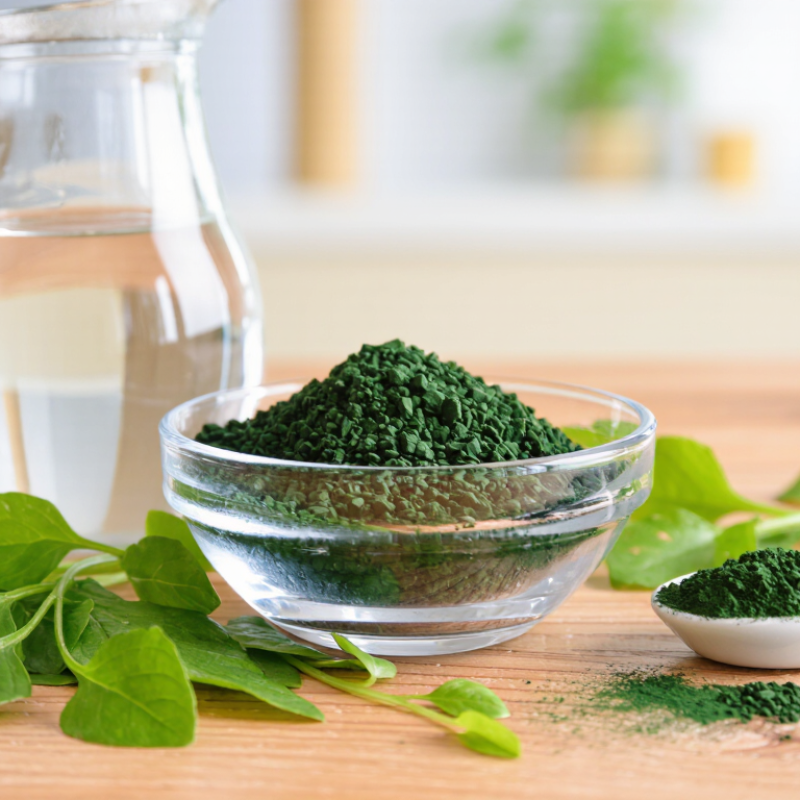
Why Is Chlorella Powder So Popular Worldwide?

What Is Chlorella Powder?

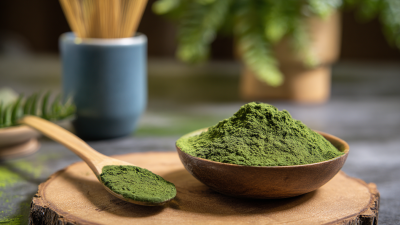
Chlorella Powder is made from dried, finely milled chlorella, a microscopic green freshwater alga. It is not seaweed powder, though both come from algae. The powder’s deep green color comes from chlorophyll, and its mild, earthy taste can be grassy or slightly bitter. Chlorella is sold as a food ingredient and dietary supplement; its nutrient profile varies by species, growing conditions, and processing. FAO’s 2024 State of World Fisheries and Aquaculture reports 37.8 million tonnes of aquatic algae production in 2022. That figure covers many types of algae, not chlorella alone.

The cell wall matters. Some products use processing to break or soften it, which may affect digestibility; check the product’s label rather than assuming all powders are alike. Chlorella can provide protein and micronutrients, but a serving is usually small, so it should not be treated as a complete meal. The name can sound straightforward. The details are less tidy.

Tips: Start with a small amount, especially if you are unfamiliar with its flavor. When comparing Organic Chlorella Powder Bulk, check the ingredient list, serving size, and independent quality testing. “Organic” describes production standards, not a guarantee of a particular nutrient level.

How Is Chlorella Powder Produced?

Chlorella powder begins as microscopic green algae grown in freshwater. Producers use open ponds or enclosed cultivation systems, depending on climate, scale, and contamination controls. Sunlight, water, and carefully managed nutrients support growth. The tanks can look almost ordinary, but temperature and light need close attention. Small changes matter.

When the algae reach the desired density, they are separated from the water, often by filtration or centrifugation. Then comes washing. The concentrated cells are dried, commonly with spray drying or another controlled method that limits moisture. Drying conditions affect color, aroma, and how well the powder keeps. The process sounds tidy; real cultivation is less tidy, and each facility must manage changing conditions.

Chlorella has a tough outer cell wall, so some producers mechanically break or crack the cells before or after drying. Chlorella Cracked Cell Powder refers to powder processed to make more cell contents accessible; it does not guarantee identical digestibility for every person. Finished batches should be checked for identity, moisture, microbes, and unwanted contaminants. Those checks matter. Cultivation and processing details vary, so clear batch records help buyers understand what is actually in the powder.

What Nutrients Does Chlorella Powder Contain?

Chlorella powder is made from dried freshwater algae, and its nutrient profile can vary by species, growing conditions, and processing. It commonly contains protein, dietary fiber, and small amounts of fat. A spoonful may also provide minerals such as iron and magnesium, though the exact amounts depend on the product. Check the nutrition label; color alone cannot tell you what is inside.

Its vivid green shade comes partly from chlorophyll, alongside carotenoids such as lutein. These compounds contribute to the powder’s nutrient profile, but they do not make it a cure or a substitute for a varied diet. Some products also contain vitamin K and folate. Vitamin B12 deserves special care: chlorella may contain B12, but amounts and forms vary, so it should not be relied on as the only B12 source without professional guidance.

Processing matters. Chlorella’s tough outer cell wall is often broken down to improve digestibility, but methods differ. I find that detail easy to overlook when comparing powders. Chlorella And Spirulina Powder combines two algae, yet their proportions and nutrients can differ widely. Mix a small scoop into a smoothie and notice the earthy taste; then compare the serving size and nutrient panel rather than assuming every green powder is equivalent.

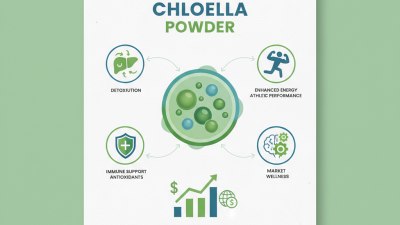
What Drives Chlorella Powder’s Worldwide Popularity?

Chlorella powder’s worldwide popularity starts with its concentrated nutrition. It can provide protein, fiber, and micronutrients, though exact levels vary by product and processing method. A teaspoon turns a smoothie a deep green. That visual cue makes the powder easy to recognize, and its compact form is simple to store and transport.

Convenience counts. People can stir it into juice, soups, or yogurt without preparing fresh ingredients. Its mild-to-earthy flavor works better with some foods than others; in plain water, it can taste grassy. That matters in everyday use. A nutritious ingredient is less useful if people dislike eating it.

Interest in plant-based foods and nutrient-dense ingredients also helps drive demand. Chlorella is cultivated rather than gathered from wild forests, but environmental impacts depend on production methods and energy use. Buyers should look for clear ingredient information and credible testing for contaminants, since algae can absorb substances from its growing environment. It is not a cure-all or a substitute for varied meals. And nutrition labels deserve a careful read: green color alone does not prove quality.

Why Is Chlorella Powder So Popular Worldwide? — What Drives Chlorella Powder’s Worldwide Popularity?
Popularity Driver What It Offers Why It Appeals to Consumers Important Context
Nutrient density Chlorella is a single-celled green alga that can provide protein, dietary fiber, and micronutrients. Its exact composition varies by species, growing conditions, and processing. People looking to add nutrient-rich ingredients to smoothies and meals may find a small serving convenient. Powder should be viewed as a food ingredient, not a complete substitute for a varied diet. Nutrient amounts differ among products.
Plant-based protein interest Chlorella contains protein, making it relevant to the expanding market for plant-derived foods and supplements. It offers another option for consumers exploring plant-based ingredients or reducing reliance on animal-derived foods. It is generally used in modest portions, so it may contribute protein but is not necessarily a primary protein source in a typical serving.
Easy-to-use powder format Powder can be stirred or blended into drinks, smoothies, and some recipes. The format is shelf-stable when stored as directed and can be incorporated into everyday routines without cooking. Its distinctive green color and earthy, sometimes marine-like taste may not suit every recipe or palate.
Interest in algae-based foods Algae are used in a range of food and supplement products, and chlorella has become one of the better-known edible microalgae. Growing curiosity about alternative food ingredients has helped make algae products more familiar to consumers in many markets. Chlorella is different from seaweed and from other microalgae; nutritional and culinary properties are not interchangeable.
Long-standing food use in some markets Chlorella has been sold as a food supplement in parts of Asia for decades and is now available through international retail and online channels. Existing familiarity in some regions, combined with wider product availability, can encourage trial elsewhere. Availability and consumer awareness vary by country, and global popularity should not be assumed to be uniform.
Versatility in product development Food makers can use chlorella powder in products such as drink mixes, bars, or blended foods, where its color can also affect appearance. Its concentrated color and recognizable ingredient identity can help create distinctive green products. Flavor, color, and texture can influence how much is used and whether it works well in a particular formulation.
Interest in resource-efficient food production Microalgae can be cultivated in controlled systems, and research continues into their potential role in food production. Consumers interested in novel food sources may be drawn to ingredients made from algae. Environmental impact depends on cultivation, processing, energy use, water use, and transport; algae products are not automatically low-impact.
Supplement-market visibility Chlorella is sold in powders, tablets, and capsules, making it accessible through health-food and supplement channels. Convenient formats and frequent exposure in wellness retail can raise awareness and encourage repeat purchases. Marketing claims should be distinguished from established evidence. Chlorella should not be treated as a proven treatment or detoxification method.
Quality and safety considerations Product quality depends on factors such as species identification, cultivation conditions, processing, and testing for contaminants. Clear labeling and reliable quality controls can build consumer confidence in a widely distributed ingredient. Consumers should follow product directions and consider allergies, medicines, and health conditions with a qualified healthcare professional when relevant.

How Is Chlorella Powder Used?

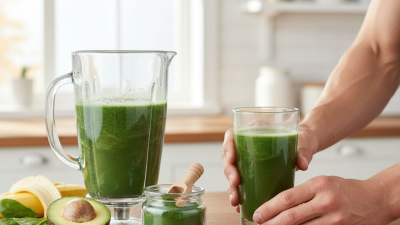
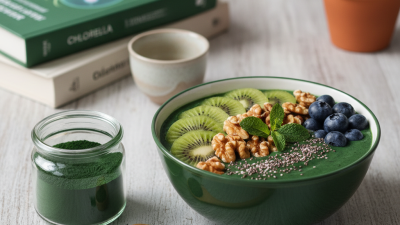
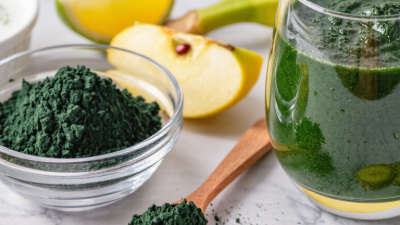
Chlorella powder is easy to add to foods you already eat. Stir a small amount into a fruit smoothie, where banana or mango can soften its earthy, seaweed-like taste. It also mixes into yogurt, hummus, or a simple salad dressing. Start with less. The flavor can become strong quickly.

For warm dishes, whisk it into soup or a sauce after cooking, then taste before adding more. You can also blend it into pancake batter, though the green color may look surprising. Powder can clump in cold liquids, so mix it first with a spoonful of water. Taste it first. That small step helps you adjust the texture and flavor.

Use the serving guidance on the product label rather than assuming more is better. Check ingredient and quality information, since powders can differ in taste and composition. Chlorella may not suit everyone, and people taking medicines such as warfarin should ask a healthcare professional before using it because its vitamin K content may matter. A food can be useful and still not fit every routine. I would treat it as an optional ingredient, not a replacement for varied meals or medical advice.

What Should Consumers Know About Its Safety and Quality?

Chlorella powder’s growing availability makes quality checks important, not optional. The FAO’s 2024 State of World Fisheries and Aquaculture reports 37.8 million tonnes of algae production in 2022, mostly farmed seaweeds—not chlorella. That distinction matters: broad algae-market figures cannot confirm a powder’s species, growing conditions, or purity. For Broken Cell Wall Chlorella Powder, look for a batch-specific certificate of analysis from an independent laboratory. It should identify the species and report results for heavy metals and microbial contamination. If testing details are missing, ask the seller rather than relying on a polished label.

Read the numbers. A certificate should show actual results and testing methods, not simply say “passed.” Check whether arsenic is reported as inorganic arsenic, since total arsenic alone gives less useful detail. Also look for screening for microcystins, toxins that can enter products through contamination by other algae. Local contaminant limits differ, so one generic “compliant” claim may not answer every question. I would not judge quality by color alone; vivid green powder can look reassuring but reveals little about residues or handling. Start with a small serving if you are trying it, and seek medical advice if you have a health condition or take medication. No test report removes every uncertainty.

Choosing an Organic Alfalfa Extract Powder Manufacturer: Quality, Sourcing, and Production Essentials

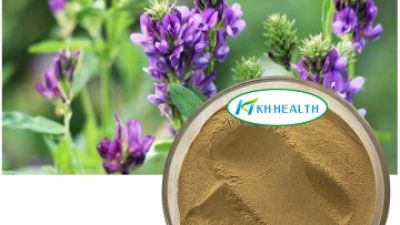
Choosing an organic alfalfa extract powder manufacturer starts with verifying the supply chain—not relying on an “organic” description alone. The USDA’s 2021 Organic Survey counted 17,445 certified organic farms in the United States, illustrating the scale of the certified sector and the importance of clear certification records. For a supplier in Xi’an, Shaanxi Province, request current organic certificates covering the relevant ingredients and processing site, plus lot-specific records tracing Medicago sativa from cultivation through extraction. Confirm that the food-grade claim is supported by appropriate documentation and that testing covers identity, microbiological quality, heavy metals, and pesticide residues.

Evaluate production controls and specifications together. The stated 10:1 brown powder should be backed by a clear explanation of the extraction ratio and a consistent batch specification; the ratio alone does not establish potency or quality. Ask for a certificate of analysis for each lot and details of process controls, cleaning, and storage. The product is identified as Zi Hua Mu Xu, with 25 kg drums, a two-year expiry from manufacture, and a recommendation to store it in a cool, dry, dark place. Confirm packaging integrity, manufacturing dates, and shelf-life evidence before placing an order.

FAQS

Why is chlorella powder popular?

It offers protein, fiber, and micronutrients in a compact form. A teaspoon can turn a smoothie deep green.

What does chlorella powder taste like?

Its flavor is mild to earthy, sometimes grassy. Banana or mango can soften it. Plain water may not.

How can I add it to food?

Stir a small amount into smoothies, yogurt, hummus, or salad dressing. Start small; the taste can grow strong quickly.

Can I use it in warm dishes?

Yes. Whisk it into soup or sauce after cooking, then taste. Pancake batter works too, though the color may surprise you.

How can I prevent clumps in cold drinks?

Mix the powder with a spoonful of water first. Then stir it into your drink. Simple, but easy to forget.

How much should I use?

Follow the serving guidance on the label. More is not automatically better, and products can differ in taste and composition.

What should I check before buying chlorella powder?

Read the ingredient details and look for credible contaminant testing. Algae can absorb substances from its growing environment. Green color alone proves little.

Is chlorella powder suitable for everyone?

Not necessarily. People taking warfarin should ask a healthcare professional, since chlorella’s vitamin K may matter. It is optional, not a meal replacement.

Conclusion

Chlorella Powder is made from chlorella, a freshwater green microalga cultivated, harvested, dried, and finely ground into a convenient powder. Its nutrient profile can include protein, fiber, vitamins, minerals, and naturally occurring pigments, though exact amounts vary with the species and production methods. These qualities, along with its versatility and the growing interest in plant-based foods, help explain why it has become popular worldwide.

The powder can be mixed into smoothies, drinks, soups, or other foods, making it easy to incorporate into everyday meals. Consumers should check product labels, ingredient lists, and quality-testing information, since sourcing and processing affect consistency and purity. People with allergies, medical conditions, or questions about how it fits into their diet may wish to consult a qualified health professional. Chlorella Powder can be a useful food ingredient, but it is not a substitute for a varied, balanced diet.
Sophia

Sophia

Sophia is a dedicated marketing professional at Beton, where she has been instrumental since the company's inception in 2015. With a strong focus on amino acids, APIs, vitamins, and other essential products, she has leveraged her expertise to enhance the company's commitment to quality and......
Previous Why Choose Organic Ginseng Extract for Global Sourcing?