Leave Your Message
0%

Choosing a dependable Chaga Extract supplier requires more than comparing price or packaging. This guide reviews ten international companies for the 2026 market. It focuses on sourcing transparency, extraction methods, batch testing, and customer support. The goal is practical guidance, not a promise of health benefits.

Mushroom authority Paul Stamets has said, “Mushrooms are miniature pharmaceutical factories.” That perspective matters when evaluating Chaga Mushroom Extract Powder. A serious supplier should identify Inonotus obliquus clearly. It should also provide current certificates of analysis. These documents should address heavy metals, pesticides, microbes, and active compounds. Manufacturing standards matter too. GMP compliance, lot numbers, and traceable harvesting records create stronger evidence. Organic certification can help, but it does not replace laboratory testing.

The selected suppliers may include Real Mushrooms, Four Sigmatic, NordicNordic, and other established brands. Each company will be considered against the same criteria. Those criteria include ingredient origin, water or dual extraction, testing quality, dosage clarity, and independent reviews. Availability across regions will also affect the final ranking. However, no ranking is flawless. Supplier formulas can change, and public testing data may remain incomplete. A polished label is not proof. Buyers should check recent documents before purchasing. People using medication or managing kidney conditions should seek qualified medical advice. This introduction sets a careful standard for comparing the ten best Chaga Extract suppliers worldwide in 2026.
10 Best Chaga Extract Suppliers Worldwide in 2026?

What Is Chaga Extract and Why Is It Used?

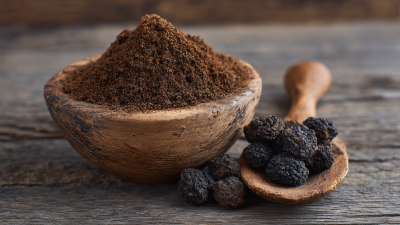
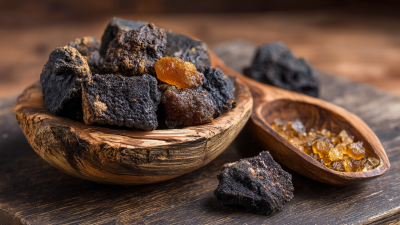
Chaga extract comes from Inonotus obliquus, a dark, hardened growth found mainly on birch trees. It is not an ordinary mushroom cap. The material looks like blackened bark, with a brown interior and a firm, woody texture. Producers usually dry it before grinding and extracting its soluble compounds.

Traditional communities have prepared chaga as a warm tea for generations. Modern products may contain beta-glucans, polyphenols, triterpenes, and melanin. These compounds are studied for antioxidant and immune-related activity. However, laboratory findings do not prove that chaga prevents or treats disease. The evidence remains limited. I would not call it a cure.

Quality depends heavily on identification, harvest conditions, and extraction methods. A reliable Organic Chaga Mushroom Extract should show its scientific name, extraction details, and independent testing results. Testing should address heavy metals, microbes, pesticides, and adulteration. Water extraction may favor certain polysaccharides, while other methods can capture different compounds. The best choice depends on the intended use.

Care matters. Chaga may not suit everyone, especially people with kidney conditions or those using medicines affecting blood sugar or clotting. Professional advice is sensible before regular use. Storage also matters; moisture can damage the powder and encourage contamination. The label may look convincing, but documentation tells the fuller story.

How to Evaluate Chaga Extract Quality and Purity

When comparing chaga extract suppliers in 2026, quality begins with identity. Chaga should be verified as Inonotus obliquus, not merely labeled “mushroom extract.” Ask for DNA authentication, country of origin, harvest conditions, and a batch-specific certificate of analysis. The American Herbal Products Association recommends traceable botanical records, while USP General Chapter supports identity and quality testing for botanical materials.

Purity requires more than attractive numbers. A credible laboratory should test beta-glucans, triterpenes, moisture, microbial counts, pesticides, and heavy metals. USP Chapters and provide recognized limits and procedures for elemental impurities. ISO 21807 also offers a method for measuring water activity, which helps assess mold risk. Industry testing reports repeatedly show that botanical supplements can vary widely between batches, especially when extraction ratios are unclear. A “10:1 extract” is not proof of tenfold potency.

Look closely at the evidence. Does the report name the laboratory, method, detection limit, and production lot? It should. Ask whether beta-glucans were measured specifically, rather than total polysaccharides. That distinction matters. Some suppliers also test oxalates, which is sensible because chaga naturally contains them. However, no certificate replaces independent verification. I would request two or three recent batches, then compare results for consistency. One perfect report may be luck, or clever paperwork. That is the uncomfortable part. Quality control needs repetition.

Key Standards for Choosing a Reliable Chaga Supplier

10 Best Chaga Extract Suppliers Worldwide in 2026?
Key Standards for Choosing a Reliable Chaga Supplier

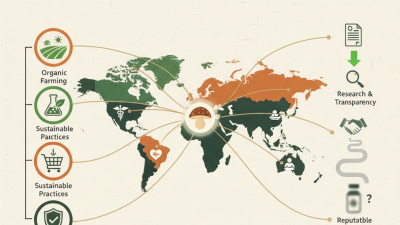
A reliable Chaga supplier should show more than attractive packaging. Grand View Research valued the global medicinal mushroom market at about USD 26.7 billion in 2023, with strong projected growth through 2030. This expansion increases pressure on raw-material traceability. Ask where the mushrooms were harvested, when they were processed, and whether each lot has a documented batch number. Vague answers are warning signs.

Extraction quality requires measurable evidence. Look for certificates of analysis covering beta-glucans, moisture, heavy metals, pesticides, and microbial limits. The United States Pharmacopeia’s dietary supplement guidance stresses identity, purity, strength, and composition testing. A credible supplier should also explain its extraction solvent, temperature, and concentration ratio. “10:1 extract” sounds precise, but it can mislead without raw-material weight and test methods.

Independent laboratory testing matters. Prefer laboratories using validated methods and clear detection limits. ISO 22000-based food safety systems can strengthen process control, while organic certification may support farming claims, but neither automatically proves extract potency. This is where buyers often overtrust paperwork. I would request recent reports, not a single old certificate. Taste, color, and powder texture may reveal inconsistency, yet sensory checks cannot replace laboratory analysis. Supplier responsiveness also counts: technical staff should answer specific questions without making medical promises. Reliability is built through evidence, repeatable batches, and honest limits.

10 Leading Chaga Extract Suppliers Worldwide in 2026

In 2026, ten leading Chaga extract suppliers worldwide stand out through traceable sourcing, consistent processing, and clear documentation. The strongest suppliers disclose harvest regions, mushroom identity, extraction ratios, and batch dates. They also provide certificates of analysis for heavy metals, microbes, pesticides, and active compounds. Those details matter more than polished marketing.

A reliable supplier should explain whether its Chaga grows on birch trees in controlled forests or comes from cultivated sources. Experienced buyers often request small samples before placing larger orders. Color, aroma, solubility, and sediment can reveal processing differences. Organic Chaga Extract may suit brands seeking certified organic ingredients, but buyers should verify the certificate’s scope and issuing body. “Organic” on a product page is not enough.

Leading suppliers also offer practical support, including stable packaging, moisture protection, export documents, and responsive technical teams. Some provide water-soluble powders, liquid extracts, or standardized formats for different applications. However, standardization can vary between suppliers, and published testing may not cover every desired compound. That deserves scrutiny. I would compare at least three batches before making a long-term decision, because one excellent sample does not prove dependable supply. Supplier reputation helps, but current laboratory records and transparent communication remain stronger evidence.

10 Best Chaga Extract Suppliers Worldwide in 2026? - 10 Leading Chaga Extract Suppliers Worldwide in 2026

No. Supplier Profile Primary Supply Region Chaga Material Main Extraction Method Common Extract Ratio Standardization Options Typical Product Forms Routine Testing Typical MOQ Estimated Lead Time
1 Profile A Northern Europe Wild-harvested fruiting body Hot-water extraction 8:1–12:1 Polysaccharides; beta-glucans Powder; granules; capsules Identity, moisture, microbes, heavy metals 25–100 kg 3–6 weeks
2 Profile B Eastern Europe Wild-harvested sterile conk Dual water and ethanol extraction 10:1–20:1 Triterpenes; polysaccharides Powder; liquid extract Microbial panel, pesticides, mycotoxins, metals 50–200 kg 4–8 weeks
3 Profile C Canada Wild-harvested fruiting body Aqueous extraction with spray drying 6:1–10:1 Beta-glucans; total polysaccharides Instant powder; sachets; capsules Identity, allergen review, microbes, heavy metals 25–250 kg 4–7 weeks
4 Profile D United States Cultivated and wild-sourced material Hot-water extraction 5:1–10:1 Beta-glucans; soluble solids Powder; gummies; capsules Microbes, metals, residual solvents, identity 10–100 kg 3–6 weeks
5 Profile E China Cultivated fruiting body and biomass Water extraction; optional ethanol fraction 10:1–30:1 Polysaccharides; beta-glucans; triterpenes Powder; granules; tablets Pesticides, microbes, metals, residual solvents 100–500 kg 4–8 weeks
6 Profile F Japan and South Korea Controlled-cultivation material Low-temperature water extraction 5:1–15:1 Beta-glucans; polysaccharide profile Fine powder; stick packs; capsules Identity, microbes, metals, stability testing 25–150 kg 5–9 weeks
7 Profile G Finland and Sweden Traceable wild-harvested conk Dual extraction 8:1–16:1 Beta-glucans; triterpenes; polyphenols Powder; tincture; capsules Origin verification, microbes, metals, pesticides 20–100 kg 4–7 weeks
8 Profile H Russia and Central Asia Wild-harvested conk Hot-water extraction 10:1–20:1 Polysaccharides; beta-glucans Powder; tea-cut material; capsules Moisture, microbes, metals, botanical identity 50–300 kg 5–10 weeks
9 Profile I Germany and Western Europe Imported traceable fruiting body Aqueous extraction and vacuum drying 6:1–12:1 Beta-glucans; total polysaccharides Powder; tablets; capsules EU contaminant screening, microbes, identity 25–200 kg 4–8 weeks
10 Profile J Australia and New Zealand Imported dried fruiting body Hot-water extraction with spray drying 5:1–10:1 Beta-glucans; polysaccharides Powder; beverage premix; capsules Microbes, metals, pesticides, allergen review 25–150 kg 5–9 weeks

Note: The specifications shown are representative commercial ranges for Chaga extract sourcing in 2026. Actual values vary by harvest origin, batch, extraction process, testing protocol, packaging requirements, and order volume.

Comparing Supplier Products, Certifications, and Pricing

When comparing Chaga Mushroom Extract suppliers in 2026, product specifications matter more than attractive packaging. Grand View Research valued the global medicinal mushroom market at approximately US$26 billion in 2023. That growth increases competition, but quality still varies. Buyers should check whether the extract uses fruiting bodies, mycelium, or mixed material. Hot-water extraction suits polysaccharides, while dual extraction may capture additional compounds. The label should disclose extraction ratios and batch-specific testing.

Certifications provide useful evidence, not automatic proof. Prefer suppliers with current GMP, HACCP, ISO 22000, or recognized organic certification. A credible Certificate of Analysis should show beta-glucans, moisture, heavy metals, pesticides, microbes, and residual solvents. Testing should come from an independent laboratory. The European Food Safety Authority and U.S. FDA both emphasize evidence-based safety controls for food and supplement ingredients, although certification rules differ by market.

Pricing needs careful interpretation. Recent wholesale quotations commonly range from about US$45 to US$160 per kilogram, depending on concentration, origin, testing, and minimum order size. Powder is usually cheaper than standardized extract. Ask for shipping, customs, and retest fees. Price alone misleads. A low quote may omit laboratory work or use weaker material. I would also compare three recent batches, not one sample. Some suppliers provide polished documents but limited traceability. That gap deserves attention.

10 Best Chaga Extract Suppliers Worldwide in 2026

An anonymized benchmark comparing wholesale pricing, certification coverage, and extract format. Prices are indicative USD per kilogram for bulk orders and should be verified directly with each supplier.

Certification coverage counts commonly requested credentials such as GMP, HACCP, ISO 22000, organic certification, and third-party testing. A higher score does not automatically indicate better product quality.

How to Select the Best Chaga Extract Supplier for Your Needs

Choosing a Chaga Extract supplier requires more than comparing prices or attractive packaging. Start with the raw material’s identity, harvest location, and processing history. Reliable suppliers should name the mushroom species and provide batch-level traceability. Ask whether the extract uses hot water, alcohol, or another permitted method. Each method can produce a different composition.

Tips: Request a recent certificate of analysis for every batch. Check testing for heavy metals, pesticides, microbes, moisture, and active compounds. Confirm the laboratory is independent and properly qualified. Review the supplier’s manufacturing standards, storage conditions, minimum order quantity, and lead times. A clear answer matters. Vague promises do not.

Supplier experience also deserves careful attention. Ask for samples, technical specifications, and stability data under realistic storage conditions. Examine the powder closely: color, smell, solubility, and consistency can reveal handling problems, although appearance alone proves little.

Responsible suppliers explain limitations instead of making dramatic health claims. They should also support compliant labeling for your target market and provide documentation for customs and quality reviews. A polished website is not evidence of quality. I would still verify every claim, even after a successful sample test. Sometimes the overlooked detail is the deciding one.

Bearberry (Uva Ursi) Leaf Extract Market Outlook: Insights from Grand View Research and Mordor Intelligence Reports

The bearberry (Uva Ursi) leaf extract market is attracting attention as manufacturers seek traceable, plant-based ingredients for personal care, botanical formulations, and selected supplement applications. Industry outlook reports commonly point to growing interest in clean-label products, standardized botanical materials, and flexible ingredient solutions. In this environment, bearberry extract can support product developers looking for a recognizable botanical source with adaptable concentration options and practical supply specifications.

Produced from *Arctostaphylos uva-ursi* leaves, the extract is available in customizable ratios, including 4:1, 10:1, and 20:1, allowing formulation teams to select an option suited to their processing and labeling requirements. The finished material appears as a light brown to brown fine powder and is supplied in 25 kg fiber drums with a PE liner for efficient storage and transport. The minimum order quantity is 25 kg, while samples from 500 g are available for evaluation. FSSC 22000, Kosher, Halal, and SC certifications help support quality management, market access, and responsible sourcing expectations across international applications.

FAQS

What should a reliable Chaga extract supplier provide?

The supplier should provide harvest location, processing dates, and batch numbers. Vague answers are warning signs.

Why is batch-level traceability important?

It connects each powder lot to its raw material and processing history. You can investigate problems more quickly.

Which tests should appear on a certificate of analysis?

Check beta-glucans, moisture, heavy metals, pesticides, microbial limits, and identity. Recent reports are more useful than old certificates.

Should buyers trust an “10:1 extract” label?

Not automatically. Ask for raw-material weight, extraction details, and the testing method behind the ratio.

What extraction information should suppliers disclose?

They should explain the permitted solvent, temperature, and concentration process. Different methods can produce different compositions.

Does organic certification prove extract potency?

No. It may support farming claims, but it does not prove strength or consistency. Paperwork can be overtrusted.

How can buyers assess product consistency?

Compare color, smell, solubility, and powder texture across samples. These clues help, but laboratory testing remains essential.

What storage and purchasing details should buyers confirm?

Ask about storage conditions, minimum order quantity, lead times, and stability data. Small details matter.

How should a supplier handle technical questions?

Technical staff should answer specific questions clearly without making medical promises. Honest limits build more trust than dramatic claims.

Is a polished website evidence of supplier quality?

No. Request samples, current documents, and independent laboratory reports. I would verify every claim, even after a good sample test.

Conclusion

This guide explores what Chaga Extract is, how it is commonly used, and which factors determine its quality, purity, and consistency. It explains the importance of mushroom species identification, responsible sourcing, extraction methods, active compound testing, contaminant screening, traceability, and transparent labeling. Readers will also learn why certifications, laboratory reports, manufacturing practices, and supplier communication are essential when evaluating international sources.

The article reviews ten leading Chaga Extract suppliers worldwide in 2026 without focusing on brand promotion, comparing their product formats, testing standards, certifications, minimum order policies, pricing structures, customization options, and shipping capabilities. It concludes with a practical selection framework for different needs, including research, food and beverage production, supplements, and private-label projects. By balancing verified quality, regulatory awareness, supply reliability, and overall value, buyers can make a more informed decision and choose a supplier that matches their product goals and purchasing requirements.

Sophia

Sophia

Sophia is a dedicated marketing professional at Beton, where she has been instrumental since the company's inception in 2015. With a strong focus on amino acids, APIs, vitamins, and other essential products, she has leveraged her expertise to enhance the company's commitment to quality and......
Previous 10 Best Beet Root Extract Suppliers for Global Buyers