Leave Your Message
0%

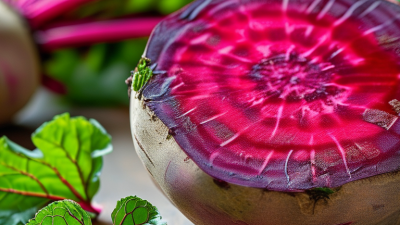
Picking a reliable Beet Root Extract supplier? It takes more than just price shopping. Buyers working globally need to look at where the beets come from, how the extract is made, what testing is done, what paperwork backs it up, and whether the supplier can actually keep up with production. A bright red sample can look great, sure. But looks alone don't tell you much.

Professor Andrew M. Jones, a well-known researcher in dietary nitrate, has said, 'Dietary nitrate supplementation has the potential to improve exercise performance.' That gives buyers some helpful scientific context, but you still shouldn't take supplier claims at face value. A trustworthy company should be able to provide batch-specific certificates of analysis, heavy metal results, microbiological testing, and clear nitrate specs. It should also be upfront about whether its Beet Root Extract comes from concentrated juice, dried beetroot, or some other processing method.

The details really matter. Ask about the beet source, harvest region, carrier ingredients, moisture level, and storage conditions. For manufacturers, Beet Root Extract Powder has to flow consistently through blending and filling equipment. That's a practical point people often overlook, and it can affect color, taste, solubility, and the stability of the final product.

No supplier is perfect. Even experienced exporters can have uneven documentation or slow communication. Buyers should compare samples against written specifications, not friendly promises. This guide reviews ten Beet Root Extract suppliers for global buyers, with a focus on product quality, manufacturing experience, transparency, customization, and export readiness. The ranking can help, but it's not absolute. Your formula, market, and compliance needs may change which supplier is best. A careful review is still essential.
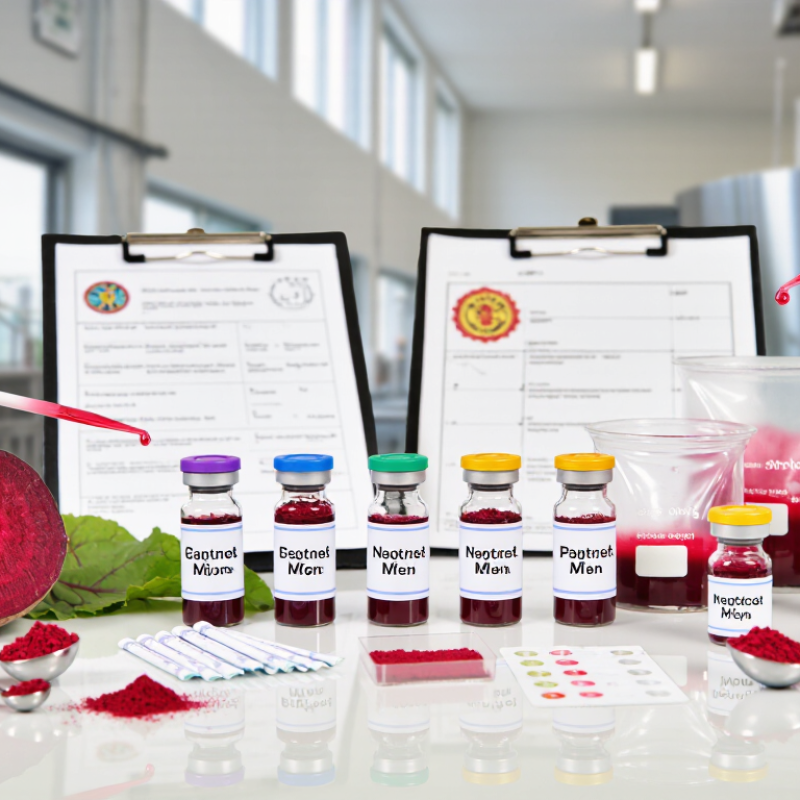
10 Best Beet Root Extract Suppliers for Global Buyers

Global Supplier Shortlist: 10 Beetroot Extract Manufacturers for Buyers

Global buyers need more than a polished catalogue when sourcing beetroot extract. This shortlist evaluates ten manufacturer types by extraction control, nitrate testing, organic certification, traceability, and export experience. The target product is Organic Beet Root Extract, preferably made from documented agricultural lots rather than mixed powders.

Industry data supports careful screening. Grand View Research valued the global dietary supplements market at about USD 177.5 billion in 2023 and expects continued growth through 2030. That expansion increases demand for botanical ingredients, but it also raises adulteration and consistency risks. Research published in the Journal of Applied Physiology found that beetroot products can provide meaningful dietary nitrate, although results vary by cultivar, processing, and serving size. A supplier should therefore provide nitrate results for each batch, not only a standard specification sheet.

The ten shortlisted manufacturers should cover freeze-dried powder, spray-dried extract, liquid concentrate, and customized private-label formats. Ask for pesticide testing, heavy-metal results, microbiological limits, solvent declarations, and certificates issued by recognized bodies. Check whether the factory controls washing, drying, milling, and packaging under one quality system. Small details matter: a sealed sample pouch, readable lot code, and matching certificate can reveal operational discipline. Not always. Documents may still be outdated. I would request three consecutive batch reports before signing a long-term contract. Buyers should also compare color retention, solubility, odor, MOQ, lead time, and Incoterms. A low quotation can hide unstable nitrate content, expensive freight, or weak complaint handling.

10 Best Beet Root Extract Suppliers for Global Buyers - Global Supplier Shortlist: 10 Beetroot Extract Manufacturers for Buyers

Supplier Profile Primary Supply Region Typical Product Form Main Standardization Option Common Applications Typical Documentation Typical MOQ Export Suitability
Supplier Profile 01 Western Europe Spray-dried beetroot powder Natural colour; betalain-rich extract Beverages, bakery, confectionery, supplements Specification sheet, COA, microbiology, heavy metals, pesticide statement 25–100 kg High
Supplier Profile 02 North America Fine-milled beetroot extract powder Dietary nitrate standardization Sports nutrition, pre-workout formulas, functional drinks COA, nitrate assay, allergen statement, non-GMO declaration 10–50 kg High
Supplier Profile 03 China and East Asia Water-soluble beetroot extract Betalains or total polyphenols Instant beverages, tablets, capsules, premixes COA, ISO/GMP evidence, residual-solvent test, stability data 25–100 kg High
Supplier Profile 04 India and South Asia Concentrated beetroot juice powder Natural colour intensity; Brix-based concentrate Food colouring, beverage concentrates, nutrition powders COA, food-safety certificate, microbiology, country-of-origin document 25–200 kg Medium–High
Supplier Profile 05 Eastern Europe Organic beetroot extract powder Organic-certified agricultural raw material Organic supplements, clean-label foods, natural beverages Organic certificate, COA, allergen statement, traceability records 50–250 kg High
Supplier Profile 06 South America Dehydrated beetroot powder Whole-root nutritional profile Smoothies, meal replacements, snack products COA, nutritional analysis, microbiology, pesticide screening 100–500 kg Medium
Supplier Profile 07 Australia and New Zealand Low-temperature processed extract Nitrate, betalain, or antioxidant profile Premium supplements, clinical nutrition, sports products COA, process description, stability report, contaminant testing 25–100 kg High
Supplier Profile 08 Southeast Asia Instantized beetroot extract powder Water dispersibility and colour retention Ready-to-mix drinks, sachets, powdered beverages COA, solubility data, microbiology, packaging specification 25–100 kg Medium–High
Supplier Profile 09 Middle East and Mediterranean Food-grade beetroot concentrate Natural red colour concentrate Sauces, dairy alternatives, confectionery, beverages COA, colour-strength test, microbiology, storage and transport data 100–500 kg Medium
Supplier Profile 10 Global Contract Manufacturing Network Custom beetroot extract blend Customer-defined nitrate, betalain, or carrier ratio Private-label supplements, capsules, sachets, finished products Product specification, COA, GMP evidence, batch traceability, stability data 50–500 kg High

Buyer note: MOQ, certifications, analytical specifications, lead times, and export documentation vary by supplier and batch. Confirm all commercial and regulatory details before purchase.

Market Scope: Beetroot Extract Demand, Nitrate Levels, and Global Trade Data

Beetroot extract demand is growing across sports nutrition, functional beverages, and wellness formulations. Buyers usually seek natural nitrate content, consistent color, and reliable year-round supply. Demand is strongest where consumers understand circulation and exercise-performance applications, but marketing claims still require careful scientific review.

Nitrate levels can vary sharply between farms, harvests, drying methods, and extraction ratios. A supplier’s product sheet should show nitrate results, moisture, microbiological limits, heavy-metal screening, and batch identification. Ask for an independent certificate of analysis, not only a marketing specification. Short samples can also reveal sediment, bitterness, and poor solubility.

Trade databases help compare shipment frequency, origin countries, declared weights, and destination markets. However, customs classifications may differ between dried beetroot, juice powder, and concentrated extract. This makes global trade data useful, but not perfectly comparable. A neat spreadsheet can still mislead.

For a shortlist of ten potential suppliers, buyers should assess production capacity, traceability, packaging protection, lead times, and testing frequency. Food-grade facilities and documented quality systems matter more than attractive pricing. Nitrate standardization deserves special attention. Some suppliers report total nitrate, while others emphasize extract ratios. Those figures are not interchangeable.

The market is expanding.

Yet demand forecasts remain imperfect. Weather, crop yields, freight costs, and changing formulation trends can quickly alter purchasing decisions. Experienced buyers review at least several shipment cycles before committing to large volumes.

Supplier Evaluation: Extract Strength, Nitrate Assays, COAs, and Batch Control

When screening suppliers for global beetroot extract, separate extract ratio from active strength. A 10:1 ratio does not prove high nitrate content. Ask for the botanical part, solvent, carrier, and native beetroot equivalent. Reliable COAs should identify nitrate, betalains, moisture, heavy metals, microbes, and residual solvents. Each result needs a method, specification, laboratory date, and batch number.

Nitrate testing deserves particular attention. Ion chromatography or a validated HPLC method can quantify nitrate more credibly than a color-only estimate. Request laboratory accreditation, preferably to ISO/IEC 17025, and confirm method suitability for the extract matrix. JECFA sets an acceptable daily intake for nitrate at 0–3.7 mg/kg body weight per day, expressed as nitrate ion. EFSA’s scientific opinion uses the same benchmark. These figures support risk review, not automatic product approval.

Batch control shows whether the supplier can repeat performance. Compare three recent COAs, not one polished document. Check lot-to-lot nitrate variation, sampling procedures, retain-sample storage, and change-control records. A supplier should explain what happens when a batch misses its target. Re-testing alone may be insufficient. That shortcut fails. In practice, I would also inspect the sealed sample, powder color, odor, and dispersibility against the COA. Sensory checks are not analytical proof, but they can expose handling problems. One uncomfortable lesson remains: a detailed COA can still hide weak traceability if the laboratory, sample identity, or test date is unclear.

Quality Standards: GMP, ISO 22000:2018, HACCP, and FDA 21 CFR Part 111

For global buyers, selecting a Beet Root Extract supplier starts with documented quality systems, not attractive color or low pricing. GMP should control personnel hygiene, equipment cleaning, batch records, and change management. Ask to see controlled procedures and recent audit findings. A polished certificate alone is not enough. Small details matter.

ISO 22000:2018 shows how a supplier manages food-safety hazards across receiving, processing, storage, and dispatch. HACCP plans should identify risks such as microbial contamination, foreign materials, and allergen cross-contact. Review critical limits, monitoring logs, and corrective actions. A useful audit follows one lot from incoming beet roots to sealed cartons. That trail exposes gaps quickly. It also reveals whether training is practiced or merely signed.

For products entering the United States, FDA 21 CFR Part 111 provides a framework for dietary supplement current good manufacturing practice. Buyers should check specifications, identity testing, finished-product testing, complaint handling, and investigations. Request a lot-specific certificate of analysis, including assay, moisture, microbiological results, and heavy-metal data where relevant. Do not confuse FDA facility registration with product approval. Standards reduce risk, but they cannot replace independent verification. I would still sample the first shipment and reassess after three batches. That extra step may feel slow. It is often cheaper than correcting an undocumented failure.

Safety Benchmark: EFSA’s 3.7 mg/kg Body-Weight Daily Nitrate Intake

10 Best Beet Root Extract Suppliers for Global Buyers

For global buyers, nitrate control should begin with a clear safety benchmark. EFSA’s Scientific Opinion on nitrate sets an acceptable daily intake of 3.7 mg per kilogram of body weight per day, expressed as nitrate ion.

For a 70 kg adult, that equals about 259 mg daily.

This figure is not a recommended performance dose. It is a long-term safety reference from EFSA Journal 2017, 15(6), 4787.

Beetroot naturally contains variable nitrate levels. Soil conditions, harvest timing, storage, and extraction methods can change the final concentration. A supplier’s specification should therefore state nitrate content per gram, not only “standardized extract.”

Buyers reviewing Beet Root Powder Ingredients should request batch-specific certificates of analysis. Testing should cover nitrate, microbiological limits, heavy metals, pesticides, and identity.

The numbers matter.

Supplier documents can look complete and still leave gaps. Ask which analytical method measured nitrate, and whether results use a dry-weight basis. Independent laboratory verification is useful for high-volume contracts.

EFSA also notes that total dietary exposure depends on all food sources, not one supplement alone. The 3.7 mg/kg benchmark is practical, but it cannot replace product-specific risk assessment. I would treat unusually high nitrate claims cautiously, especially when serving directions are vague.

Commercial Comparison: MOQ, Lead Times, Pricing, Packaging, and Private Labeling

10 Best Beet Root Extract Suppliers for Global Buyers

A practical supplier comparison starts with minimum order quantity, not catalog variety. Most commercial beet root extract suppliers quote MOQs from 25 to 100 kilograms for bulk powder. Private-label orders often begin near 500 to 2,000 finished units. Lead times commonly range from two to eight weeks, depending on extraction, testing, and packaging. Standard powder may cost about USD 18–45 per kilogram, while nitrate-standardized material can cost considerably more. Treat these figures as working ranges, not promises.

Grand View Research’s 2024 botanical ingredients analysis indicates steady growth in beetroot-based products through 2030, supported by sports nutrition and functional food demand. That growth increases supplier options, but also creates uneven quality. Request a current certificate of analysis, pesticide screening, heavy-metal results, and microbiological limits. Ask whether testing covers each lot. It matters.

Packaging usually includes 20–25 kilogram lined bags, fiber drums, or sealed cartons. Moisture control is essential; beet pigments can stain and degrade under poor storage. Private-label buyers should confirm artwork approval, barcode support, shelf-life evidence, and country-specific labeling before payment. Some suppliers promise four-week delivery, yet custom labels may add two or three weeks. I have seen buyers underestimate this step. A lower price can become expensive after rework, delayed freight, or rejected samples. Compare landed cost, not only the quoted kilogram price.

Buyer Due Diligence: Certifications, Testing Labs, Traceability, and Export Records

When screening beet root extract suppliers, request current certificates before discussing volume. Check the certification scope, product name, facility address, and expiry date. A certificate alone proves little if it covers another site or process. For Organic Beet Root Juice Powder, verify organic status through the issuing body’s public database where available. Keep the certificate with your purchasing records.

Ask for a batch-specific certificate of analysis. It should show lot number, production date, moisture, microbiology, heavy metals, pesticide residues, and nitrate levels. Independent laboratories with ISO/IEC 17025 accreditation provide stronger evidence. Confirm the laboratory contacted the supplier directly. Some reports look complete but omit test methods or detection limits. That detail matters.

Traceability should connect farm records to the finished drum. Request harvest location, processing dates, cleaning records, and packaging details. A supplier should explain how it handles mixed lots and rejected material. Review export records, commercial invoices, packing lists, certificates of origin, and previous shipment destinations. Redacted documents are acceptable, but unexplained gaps deserve questions. No checklist is perfect. I would still sample the goods before a large order, because paperwork cannot show every storage mistake. Fresh evidence beats confident language.

FAQS

What should buyers check before selecting a beetroot extract supplier?

Check extraction control, organic certification, nitrate testing, traceability, and export experience. Ask for documented agricultural lots, not mixed powders. A polished catalogue proves little.

Why is nitrate testing important for beetroot extract?

Nitrate content can vary by cultivar, processing method, and serving size. Request results for every batch. One standard specification is not enough.

What information should a certificate of analysis include?

It should list nitrate, betalains, moisture, heavy metals, microbes, and residual solvents. The document should show the method, laboratory date, specification, and batch number. Match every detail.

Does a 10:1 extraction ratio prove strong beetroot extract?

No. A 10:1 ratio does not prove high nitrate content. Ask about the plant part, solvent, carrier, and native beetroot equivalent. The ratio can mislead.

How can buyers verify batch consistency?

Compare three recent batch reports instead of one attractive document. Review nitrate variation, sampling methods, retain samples, and change-control records. Also inspect sealed pouches, powder color, odor, and dispersibility.

Which quality systems should a supplier maintain?

Look for controlled hygiene, cleaning, batch records, training, and change-management procedures. Food-safety systems should address microbes, foreign materials, and allergen cross-contact. Certificates alone are insufficient.

What export and logistics details should buyers compare?

Compare minimum order quantities, lead times, packaging, freight terms, and complaint handling. A low quotation may hide unstable strength or expensive transport. Cheap can become costly.

Should buyers test the first shipment independently?

Yes. Test the first shipment and review performance after three batches. Confirm the lot code matches the certificate and sealed sample. Extra checking feels slow. It may prevent a larger correction later.

Conclusion

This guide presents a practical shortlist of ten potential Beet Root Extract suppliers for global buyers, focusing on product quality, manufacturing consistency, and export readiness. It explains how market demand is influenced by nitrate concentration, regional trade activity, and different applications in nutrition and wellness products. Buyers are encouraged to compare extract strength, verified nitrate assays, certificates of analysis, batch-to-batch control, and reliable testing procedures before making a purchasing decision.

The article also outlines key quality benchmarks, including GMP, ISO 22000:2018, HACCP, and FDA 21 CFR Part 111 compliance where applicable. Commercial factors such as minimum order quantities, lead times, pricing, packaging options, and private-label services are reviewed alongside essential due diligence. Supplier certifications, independent laboratory testing, traceability systems, and export records can help buyers assess reliability. For responsible product development, nitrate intake should also be evaluated against recognized safety guidance, including the EFSA benchmark of 3.7 mg per kilogram of body weight per day.
Emma

Emma

Emma is a seasoned marketing professional with a wealth of expertise in the field of health and wellness, particularly in amino acids, APIs, and vitamins. Since joining Beton, a company founded in 2015 in partnership with KH Health USA, she has been instrumental in enhancing the business's......
Previous What Is Chlorella Raw Powder and How Is It Used?