When it comes to global sourcing, picking an Organic Apple Extract supplier isn't just about finding the cheapest option. You really want to dig into stuff like where the apples come from, how they’re processed, the paperwork involved, and whether each batch stays consistent. Sure, a powder might look pale and pretty in a sample jar, but that doesn’t mean it'll behave the same in your production — things like acidity, aroma, or how well it dissolves can vary. Always ask for the latest specification sheet, a certificate of analysis, and clear info about the fruit source and extraction method. Those little checks add up!
Here’s a good rule of thumb: “A trustworthy ingredient is one whose paperwork, sample, and actual batch all tell the same story.” I should mention, this isn’t a quote from some expert, but it’s solid advice — and honestly, trust in sourcing comes down to evidence, not just fancy words. So, always look for consistent proof.
This overview is meant to help you understand what to look for when choosing suppliers for international markets. It’s worth comparing things like product form, available grades, minimum order sizes, lead times, packaging options, and how responsive they are in communication. Also, don’t forget to ask how they handle changes in product specs from different harvests. Sometimes, they might not have every detail upfront, and that’s totally normal. If a question isn’t answered, it’s worth asking again—lack of info isn’t necessarily a sign of bad quality.
Remember, Organic Apple Extract can be used in beverages, baked goods, supplements, or personal care products, but each application has specific technical requirements. The key is to find a supplier whose capabilities align with your product needs — not just who has the biggest catalog.
Understanding Organic Apple Extract and Its Main Uses
Organic apple extract is made by concentrating selected parts of the fruit, such as juice, peel, or pomace. Its composition varies with the apple variety, growing conditions, and extraction method. Some extracts contain notable polyphenols, while others retain more sugars, acids, or soluble fibers. The word “organic” describes how the apples were grown; it does not guarantee a fixed nutrient profile.
That difference matters. Buyers should check the ingredient specification, extraction details, carrier ingredients, and batch testing documents. A clear certificate of analysis can help confirm identity and key quality measures. Color and flavor also offer practical clues: one powder may look pale and taste mildly tart, while another is darker and more astringent. There is no single standard sensory profile.
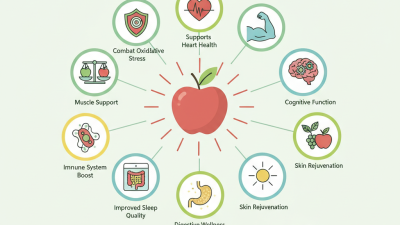
In foods, apple extract can add fruit notes to drinks, bars, sauces, and baked goods. It may also contribute color or help shape a product’s flavor balance. Some formulations use it in supplements or personal-care products, though its function depends on the specific extract and finished formula. It is not magic. Claims about health effects need careful evidence, and the extract alone does not tell the whole story.
Common Extract Forms, Specifications, and Quality Indicators
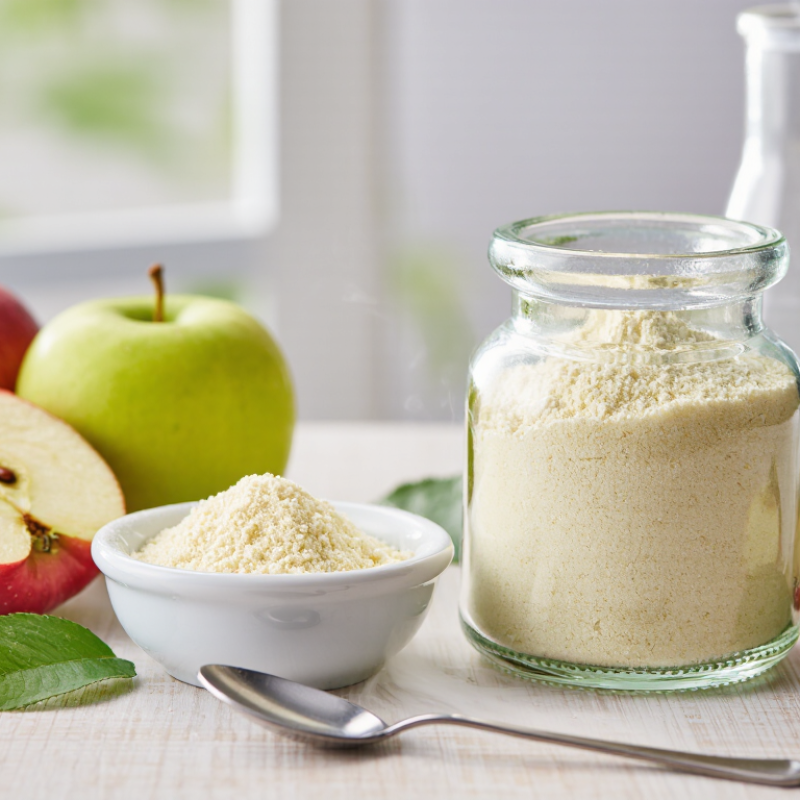
Organic apple extract is commonly supplied as a fine powder or a concentrated liquid. Powder is easier to weigh into dry blends, while liquid can disperse more readily in some formulations. Check the ingredient declaration for carriers such as maltodextrin, and confirm whether the extract comes from apple peel, fruit, or a combination. These details affect color, flavor, and the meaning of a stated extraction ratio. A pale powder is not automatically better. Appearance varies with raw material and processing.
Useful specifications include botanical identity, moisture, particle size, and a clearly defined assay for any claimed marker compounds, such as polyphenols. Ask suppliers how the assay is measured; results from different methods may not be directly comparable. Request a recent certificate of analysis, plus testing details for microbiological quality, pesticide residues, heavy metals, and residual solvents where relevant. Organic certification and its scope should also be verified for the intended market. Keep batch traceability in view. It matters later. I would compare samples in the actual application, since apple notes can shift after storage, and supplier documents alone may not reveal that. No single indicator settles quality; the specification should match the product’s use.
How Organic Certification Shapes Global Sourcing
Organic certification shapes more than a label; it influences how apple material is grown, processed, recorded, and shipped. Global buyers should check whether a supplier’s certificate covers the specific product, processing site, and activities involved. A valid document alone may not answer every question. Ask for its current scope and confirm that the certification is suitable for the destination market.
Traceability matters. Request records linking orchard lots to processing batches, along with clear ingredient and handling information. For Pure Apple Extract, buyers can ask how organic apples are kept separate from conventional materials and how equipment cleaning is documented. Batch codes should match across product specifications, certificates, and shipping records. Small inconsistencies deserve follow-up.
Certification is useful, but it is not a substitute for reviewing the supply chain. A careful buyer may also request recent audit information and discuss how changes in harvest origin are communicated. Paperwork matters. So does practice. Still, documents can feel reassuring too quickly; they do not prove that every shipment was handled perfectly. Reviewing a sample file with the supplier, and asking a certifier or qualified import adviser about unclear points, can expose gaps before a purchase is finalized.
Top Organic Apple Extract Suppliers for Global Buyers
How organic certification shapes global sourcing
What this means for buyers: Selected markets generally require at least 95% organic agricultural ingredients for products labeled organic. The U.S. “Made with Organic” category has a 70% minimum and is a different labeling tier. Buyers sourcing apple extract should confirm the supplier’s certification, the product’s certification scope, and the rules that apply in the destination market.
Regulatory references: EU Regulation (EU) 2018/848, Article 30; U.S. 7 CFR § 205.301; Canada Organic Products Regulations; Japan Agricultural Standard for Organic Processed Foods. Percentages are minimum ingredient thresholds, not a complete comparison of certification requirements.
Key Factors for Evaluating Apple Extract Suppliers
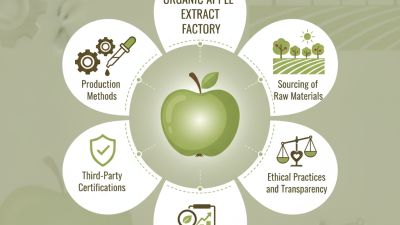
When evaluating apple extract suppliers, look beyond price and a polished product sheet. Ask for a batch-specific certificate of analysis, with test methods and results for identity, moisture, and relevant contaminants. Check that the botanical source, extraction process, and any carriers are clearly stated. For organic material, verify that documentation applies to the specific product and production site. Requirements can vary by market, so confirm details with your quality team.
Compare samples under the conditions you actually use. Note color, aroma, solubility, and how the powder behaves in your formulation. Apple Extract Powder can vary in concentration and sensory profile, so compare declared active compounds rather than relying on the product name alone. Ask about traceability, storage life, packaging, and typical lead times. A sample can still surprise you. Paperwork is useful, but it cannot answer every practical question; even a neat specification may leave important details unclear.
Tips: Request a recent sample and matching batch documents. Keep your evaluation notes, including any differences between the sample and the next shipment.
Notable Organic Apple Extract Suppliers for Global Buyers
Notable Organic Apple Extract Suppliers for Global Buyers
Notable suppliers serve different needs: some specialize in certified organic fruit ingredients, while others focus on standardized polyphenol extracts. Buyers should compare the actual product specification, not just a supplier’s catalog description. Ask for the botanical name, apple variety where available, extraction solvent, carrier ingredients, and batch-specific certificate of analysis. A listed ratio such as apple polyphenol extract 10:1 describes a processing relationship, but does not alone confirm potency or quality. Details matter.
Tips: Request current organic certificates and verify that their scope covers the product and processing site. Check traceability records, pesticide-screening methods, heavy-metal limits, and microbiological results. For samples, compare color, aroma, solubility, and assay values against the specification. A pale powder is not automatically better. Nor is a higher assay always the right fit.
Global buyers may also assess production capacity, lead times, packaging protection, and the supplier’s ability to explain test results clearly. Confirm that documents match the lot being offered, and clarify how the supplier handles specification changes. These checks reduce avoidable surprises, though no checklist removes every uncertainty. I would still leave room for a second sample; supplier claims can look tidy on paper.
Import, Documentation, and Procurement Considerations
For global buyers, an organic certificate is only one part of a reliable import file. FiBL and IFOAM’s 2024 report estimated 96.4 million hectares of organic farmland worldwide in 2022, but certification scope and recognition still vary by market. Ask suppliers for a current certificate covering the actual processor and product, plus lot-specific invoices, packing lists, certificates of analysis, and traceability records. Check that botanical identity, extraction method, carrier ingredients, and country of origin match across documents. Small mismatches can delay clearance.
Specify moisture, microbiological limits, heavy metals, and pesticide-residue testing before shipment. For apple polyphenol extract 5% phloridzin, define the assay method and minimum level in the purchase specification; the phrase alone does not establish the test basis. Request a representative batch report, not only a generic sample sheet. FAOSTAT recorded more than 95 million tonnes of apple production in 2022, yet harvest origin and processing conditions can still affect extract consistency. Large supply does not guarantee identical lots.
Confirm destination-specific organic import procedures and customs classification with a qualified broker before booking freight. Keep sealed retain samples and record lot numbers from the drum label through receiving inspection. I would also compare the quoted shelf life with the actual transit time and storage conditions; this detail is easy to overlook. A neat document pack helps, but it cannot replace independent verification.
Conclusion
Organic Apple Extract is used in a range of food, beverage, supplement, and personal-care applications, with its suitability depending on the extract form and product requirements. Buyers can compare powder and liquid formats by reviewing specifications such as ingredient composition, concentration, solubility, and sensory characteristics, alongside quality indicators and supporting test information. Organic certification is also an important part of sourcing: buyers should confirm that documentation matches the product, production site, and intended market.
A thorough supplier evaluation considers quality controls, production capabilities, consistency, communication, and the ability to provide clear technical and certification documents. Before placing an order, global buyers should also review labeling and import requirements, sampling procedures, lead times, packaging, and shipping terms. A structured procurement process helps buyers compare suppliers fairly, reduce uncertainty, and select an Organic Apple Extract that aligns with their application and sourcing standards.

 +86 13096987266
 Contact Email