More and more, global buyers are really paying attention to Inulin Powder these days, especially as the demand for fiber-rich and low-sugar products keeps growing. You’ll find this ingredient popping up in drinks, nutrition bars, dairy alternatives, and digestive health formulas. But here’s the thing — choosing the right supplier isn’t just about comparing prices. You’ve got to look at where the chicory comes from, how it’s processed, its fiber content, how well it dissolves, the taste, and all the necessary paperwork. All these little details can really impact the final product.
Professor Glenn Gibson, a top expert in prebiotics, once said that a prebiotic is basically “a selectively fermented ingredient that causes specific changes in the makeup or activity of gut bacteria.” That definition is still spot on when you’re making sourcing decisions today. When shopping around, it’s smart to ask if a supplier can provide consistent product specs, transparent quality testing results, allergen info, and helpful technical support. Because honestly, sometimes it’s the small stuff that makes all the difference.
Not every cheap deal is actually cost-effective in the long run, though. The biggest suppliers often offer things like Organic Chicory Root Inulin Powder or even custom blends tailored for different needs. Some are geared towards bulk industrial orders, while others focus on private label brands or niche nutritional products. Good suppliers will be upfront about how they source their raw materials, how they control each batch, the packaging options they offer, and their experience with exporting — without making any wild health claims.
That said, keep in mind, supplier info isn’t set in stone. Crop conditions change, freight costs go up and down, certifications need to be verified occasionally, and even experienced buyers might overlook how the taste performs after processing. The best approach? Combining lab reports, product samples, good communication with the factory, and independent testing whenever you can. We’ve put together this guide to highlight some top Inulin Powder suppliers around the world, but remember — the best choice really depends on your specific application, market needs, order size, and how much risk you’re willing to take.
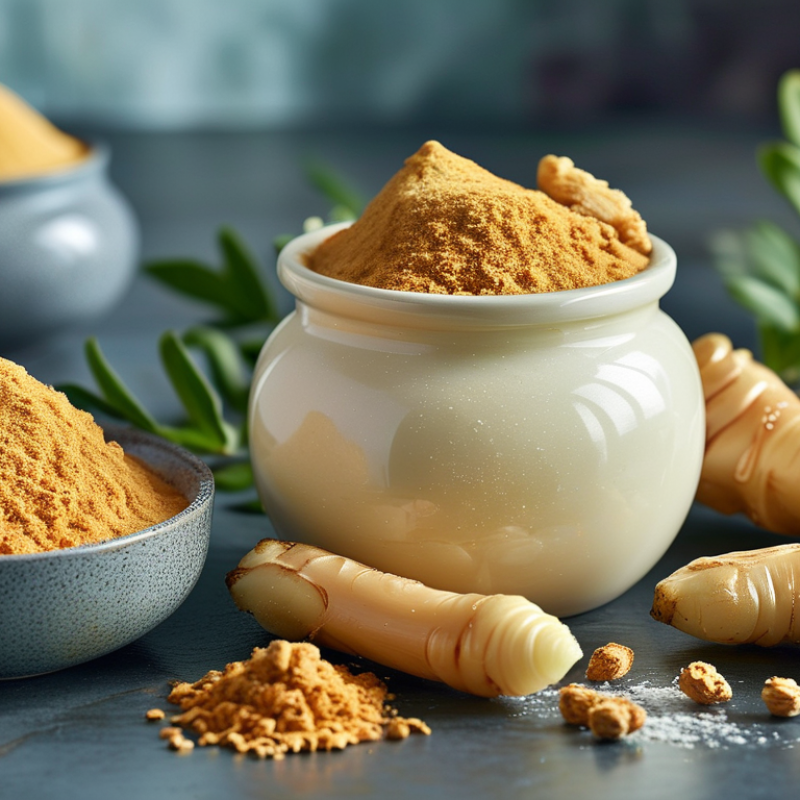
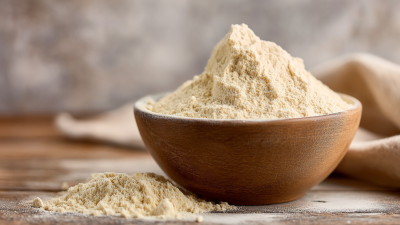
Inulin powder is a soluble dietary fiber, commonly extracted from chicory root, agave, or certain vegetables. It has a mild sweetness and a smooth, pale appearance. Unlike ordinary sugar, the body does not fully digest it in the small intestine. Instead, beneficial gut bacteria ferment it in the colon. That process may support digestive health, although individual responses differ.
Food manufacturers use inulin powder in yogurt, cereal bars, beverages, bakery fillings, and powdered nutrition products. It can add fiber, improve texture, and slightly reduce the need for sugar or fat. At home, a small spoonful can blend into oatmeal or coffee. Use it slowly. Too much may cause gas, bloating, or cramping, especially for people sensitive to fermentable fibers.
Searches for Inulin Powder Weight Loss often reflect interest in appetite control and lower-calorie recipes. Inulin may increase fiber intake and support fullness, but it is not a stand-alone weight-loss solution. Diet, activity, sleep, and portion size remain important. This distinction matters. Global buyers should request clear specifications, purity testing, allergen statements, moisture data, and traceability records from suppliers. A reliable supplier should explain extraction methods and provide consistent batch documentation. I would also check solubility in the intended product, because laboratory performance may not match a real drink or baked formula.
Reliable inulin powder suppliers should provide clear evidence, not polished claims. For Inulin Powder Chicory Root, buyers should verify botanical identity, extraction method, and declared inulin content. The specification should state soluble dietary fiber, moisture, ash, and sweetness profile. Small differences can affect texture and formulation performance.
A serious supplier shares batch-specific certificates of analysis. Check microbiological results for total plate count, yeast, mold, and pathogens. Heavy metals, pesticide residues, and residual processing chemicals also require documented limits. Testing should come from qualified laboratories using recognized methods. A generic certificate is weak evidence. Batch traceability matters more.
Inspect the facility controls as well. Ask about allergen management, sanitation, pest control, and foreign-material prevention. Packaging should protect the powder from humidity, since clumping can begin before delivery. Storage instructions must be practical, with temperature and humidity ranges. Samples should match commercial batches, not just laboratory prototypes.
Look closely at the paperwork. Do not rush.
Some suppliers provide impressive documents but answer technical questions vaguely. That should trigger a second review. Buyers can request recent batch records, stability data, and corrective-action procedures. Organic or non-GMO claims also need suitable verification, where applicable. I would not judge quality from color alone; pale powder can still vary in purity, particle size, and performance. The strongest suppliers communicate limits honestly, including results that are acceptable but not perfect.
Europe remains the strongest production base for inulin powder, especially in Belgium, the Netherlands, France, and nearby farming areas. These regions benefit from established chicory cultivation, specialized extraction facilities, and experienced quality teams. Chicory roots are usually harvested in autumn, washed, sliced, and processed into a pale, mildly sweet powder. Production sites often monitor dietary fiber content, moisture, ash, microbiological limits, and solubility. These details matter when inulin is used in beverages, nutrition products, or baked foods.
China has expanded its role through chicory cultivation, ingredient processing, and export logistics. Some facilities offer competitive pricing, but buyers should examine traceability and testing depth rather than price alone. North American suppliers also support regional demand, although raw material sources and processing capacity can differ by state or province. A practical assessment should include crop origin, batch consistency, allergen controls, packaging strength, and storage conditions. Inulin can absorb moisture, so damaged bags may create hard lumps and testing problems. Trade directories sometimes make production regions look clearer than they are. In reality, roots may come from one country, processing may occur in another, and final packing may happen elsewhere. Experienced buyers request recent certificates, sample batches, and realistic lead times before signing supply agreements.
Comparing inulin powder suppliers requires more than checking the lowest quoted price. Grand View Research valued the global inulin market at approximately USD 1.5 billion in 2023, with continued growth expected through 2030. This expansion attracts new suppliers, but product consistency can vary sharply. Ask for the botanical source, extraction method, inulin percentage, and degree of polymerization. Chicory-derived material may show different sweetness and solubility than agave-derived material. Test both in cold water and in your finished formulation.
A reliable supplier should provide a recent certificate of analysis for every batch. Check dietary fiber results using a recognized AOAC method, such as AOAC 2011.25. Review moisture, ash, yeast, mold, pathogens, heavy metals, and pesticide residues. Organic Inulin Powder also requires valid organic certification, not only an “organic” statement on packaging. The 2024 Food Chemicals Codex and applicable regional food standards offer useful quality references. Confirm whether the laboratory is independent and whether results include batch numbers.
Commercial details matter too. Compare minimum order quantities, packaging liners, storage temperatures, shelf life, and lead times. A dry, free-flowing powder should not arrive with hard lumps or a sour odor. Request samples from two or three production lots. One sample can mislead. I have seen specifications look excellent while dispersibility failed during scale-up. Suppliers should explain deviations honestly, though many documents remain incomplete. Check traceability from root to warehouse before approving a long-term contract.
Top Inulin Powder Suppliers for Global Buyers
International sourcing requires more than comparing prices. Grand View Research estimates that the global inulin market will expand steadily through 2030, driven by demand for dietary fiber and functional foods. This growth attracts suppliers with different extraction methods, purity levels, and documentation standards. Buyers should request a current certificate of analysis, allergen statement, microbiological results, and country-of-origin records. A supplier’s sales presentation is not enough.
Packaging directly affects product quality. Inulin powder can absorb moisture and form hard lumps during humid ocean transport. Multi-wall bags with food-grade inner liners are practical for pallet shipments, while smaller sealed bags may suit trial orders. Ask for batch numbers, production dates, net weight tolerance, and storage instructions. The Institute of Food Technologists emphasizes moisture control as a key factor in maintaining powdered ingredient stability. Still, packaging claims can be vague. Test them.
Shipping terms deserve equal attention. UN Comtrade data shows the scale and complexity of global food-ingredient trade, but customs classification may differ between markets. Confirm the HS code with a qualified broker before booking cargo. Request temperature and humidity guidance, even when the powder does not require refrigeration. Port delays happen. A low unit price can become expensive after demurrage, repacking, or rejected documents. I would also compare samples from several production lots, not one attractive sample. That step takes time, but skipping it can distort the whole sourcing decision.
Selecting an inulin powder supplier requires more than comparing price and purity. Global buyers should verify the supplier’s registration, manufacturing location, and intended food application. Requirements may differ between the United States, the European Union, and other markets. A product accepted in one country may need additional review elsewhere.
Request current certificates for HACCP, GMP, or ISO 22000 systems. These documents should identify the facility, certification scope, and expiration date. A certificate alone is not enough. Ask for batch-specific certificates of analysis showing inulin content, moisture, microbiological results, heavy metals, pesticides, and foreign matter. Allergen statements and non-GMO declarations may also support import and labeling decisions.
Traceability deserves close attention. Reliable suppliers should connect each batch to raw materials, processing records, packaging, and shipment details. Confirm that the packaging protects the powder from humidity, heat, and contamination. Check whether the supplier can provide retained samples and a documented complaint procedure.
I have seen buyers overlook local labeling rules and maximum usage levels. That mistake can delay customs clearance or force costly relabeling. Buyers should review the latest requirements with a qualified regulatory specialist before placing large orders. Specifications also need regular review, because agricultural sources and processing conditions can change. A supplier that welcomes audits, answers technical questions clearly, and reports deviations promptly is usually easier to trust. Still, no certificate replaces independent verification when the purchase volume is significant.
Choosing among top inulin powder suppliers requires sharper questions than “What is your price?” Grand View Research estimated the global inulin market at approximately USD 1.77 billion in 2023. It also projects strong growth through 2030. That growth can attract inconsistent suppliers.
Ask where the inulin comes from. Is it extracted from chicory root, agave, or another plant? Request the exact extraction process and inulin purity. For Inulin Powder Organic, ask for a current organic certificate, issuing body, scope, and certificate number. Do not accept a logo alone. The certificate should match the production site and shipment lot. Ask for a Certificate of Analysis covering inulin content, moisture, ash, microbiological limits, heavy metals, pesticides, and allergens. AOAC analytical methods are useful references, but laboratories may interpret results differently. I have seen paperwork look complete while missing the actual test method. That deserves a second review.
Tips: Request two recent lot reports, not one. Check whether results come from an independent laboratory. Ask how the supplier controls moisture during storage and shipping. Inulin can cake in humid warehouses. Also ask about traceability from farm to packed powder, minimum order quantities, lead times, and recall procedures. The supplier should explain these details clearly, without avoiding difficult questions. A low price may reflect lower purity, weaker testing, or unstable supply. Sometimes, it is simply a better contract. Verify it before deciding.
: Inulin powder is a soluble dietary fiber. It is commonly extracted from chicory root, agave, or vegetables. It looks pale and feels smooth. It has mild sweetness. The small intestine does not fully digest it. Gut bacteria ferment it in the colon.
It can be added to yogurt, cereal bars, drinks, and baked fillings. It may improve texture and increase fiber content. It can slightly reduce the need for sugar or fat. At home, stir a small spoonful into oatmeal or coffee. Use it slowly.
Inulin may increase fiber intake and support feelings of fullness. However, it is not a complete weight-management solution. Portion size, activity, sleep, and overall diet still matter. A lower-calorie recipe can help, but the powder does not replace balanced habits. That assumption can fail.
Yes, especially when consumed in large amounts. Some people may experience gas, bloating, or cramping. Sensitive individuals may react more strongly to fermentable fibers. Start with a small serving and monitor your response. Individual results differ.
Ask whether it comes from chicory root, agave, or another plant. Request the extraction method and inulin percentage. Ask about the degree of polymerization. Different sources may vary in sweetness and solubility. Test the powder in cold water and the final product.
Request a recent certificate of analysis for each production lot. It should list dietary fiber, moisture, ash, and microbiological results. Check yeast, mold, pathogens, heavy metals, pesticides, and allergens. Confirm the testing method and laboratory identity. One report is not enough.
Request a valid organic certificate from the issuing organization. Check its scope, certificate number, production site, and shipment lot. Do not rely on an organic statement or logo alone. The documents should match the actual facility. Paperwork can look complete.
Compare minimum order quantities, packaging liners, storage conditions, shelf life, and lead times. Ask how moisture is controlled during shipping and warehouse storage. Humid conditions may cause hard lumps. The powder should remain dry and free-flowing. Check traceability from plant source to warehouse. I would also test two or three production lots.
Inulin Powder is a naturally derived dietary fiber commonly used in functional foods, beverages, nutrition products, and supplements to support fiber enrichment and product formulation. When selecting a supplier, global buyers should evaluate purity, solubility, color, taste, moisture content, particle size, and consistency across batches. Production regions, raw material sources, processing methods, and supply capacity can also affect quality, pricing, and availability.
A reliable sourcing process should compare product specifications, minimum order quantities, packaging formats, lead times, and international shipping options. Buyers should verify applicable food safety systems, quality certifications, traceability procedures, testing documentation, and compliance with destination-market regulations. Before placing an order, it is important to ask about sample availability, certificates of analysis, allergen control, shelf life, storage conditions, customization options, and procedures for handling quality issues. Careful evaluation helps buyers choose a dependable Inulin Powder supplier and build a stable, compliant global supply chain.