Leave Your Message
0%

If you're picking an organic ginseng extract, you can't just trust a green label or a fancy-looking bottle. According to the American Botanical Council's HerbalGram market report, U.S. herbal supplement sales topped $12 billion in 2023. That tells us demand is strong—and it also means brands face more pressure to make believable quality claims. Market growth is helpful context, sure. But it doesn't prove any single product actually works.

This guide walks through ten practical checks you can use to compare suppliers, formulas, and evidence. First, verify organic certification through the USDA Organic Integrity Database or an equivalent authorized body. A certificate of analysis should spell out ginsenoside levels, moisture, heavy metals, pesticides, microbes, and the tested batch number. You also want traceability from the farm to the finished extract. Those little details? They matter.

For Organic Red Ginseng Extract, buyers should confirm the Panax species, root age, processing method, and marker compounds. Red processing changes the root's chemistry, so don't treat "red" as some automatic quality guarantee. The World Health Organization's monograph on medicinal plants and the NIH Office of Dietary Supplements can give useful scientific context. But neither one endorses every commercial product out there. The evidence is still uneven.

So ask better questions.

A reliable supplier—say, a GMP-compliant manufacturer—should hand over current documentation, not recycled marketing copy. Third-party testing from groups like NSF or USP can add confidence, though certification scopes do differ. I've seen labels that sound super precise but leave out extraction ratios and solvent information. That gap is worth paying attention to.

These ten tips should help readers assess Organic Ginseng Extract with clearer expectations, realistic caution, and fewer expensive assumptions.
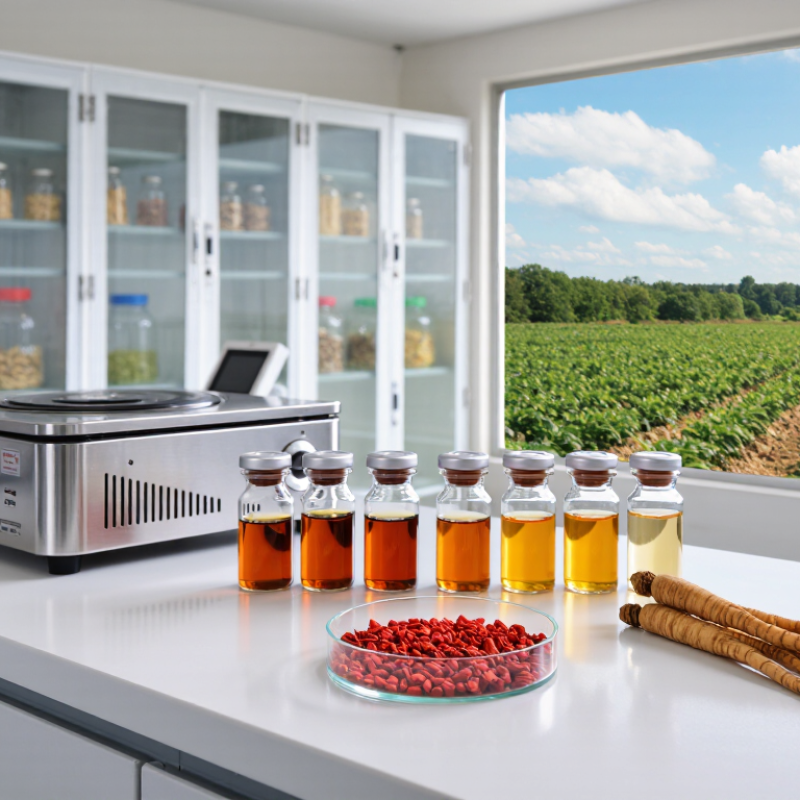
10 Tips for Buying Organic Ginseng Extract

Verify USDA Organic Status: At Least 95% Certified Organic Ingredients

When buying Organic Siberian Ginseng Extract, verify the USDA Organic status before reading marketing claims. Under USDA National Organic Program rules, a product labeled “organic” must contain at least 95% certified organic ingredients, excluding water and salt. The remaining 5% must meet approved requirements and appear on the National List. A green-looking package is not proof.

The USDA’s organic standards require certification, records, and handling controls across the supply chain. Ask whether the finished extract is certified, not merely the raw herb. Check the certifier’s name, certificate number, ingredient panel, and lot details. Also confirm the botanical identity. “Siberian ginseng” generally refers to Eleuthero, or Eleutherococcus senticosus, not Panax ginseng. That distinction matters.

Tip: Request the current organic certificate.

The Organic Trade Association reported that U.S. organic sales reached approximately $67.6 billion in 2023, showing strong consumer demand and more crowded claims. Yet demand can invite confusion. Extract ratios, carriers, and processing aids may affect the final organic percentage. Look for transparent documentation. A product may use organic roots but still fail the 95% threshold after adding non-organic carriers or flavoring. I would also compare the certificate with the label, because paperwork and packaging sometimes drift apart. Not glamorous, but important. USDA National Organic Program records and the Organic Trade Association’s 2024 Organic Industry Survey provide useful reference points.

Compare Total Ginsenosides and Key Rb1, Rg1, and Rg3 Levels

When buying Organic American Ginseng Root Extract, compare total ginsenosides with individual Rb1, Rg1, and Rg3 levels. Total content alone can mislead. The USP Powdered American Ginseng Root monograph treats ginsenoside identity and assay as important quality controls. WHO guidance also recognizes ginsenoside profiles as useful markers for authentic ginseng materials. Ask for a lot-specific certificate of analysis, not a generic specification sheet. Check the testing method, dry-weight basis, extraction ratio, and laboratory accreditation.

Look closely at Rb1 and Rg1. Rb1 is commonly prominent in American ginseng, while Rg1 may appear at a lower or variable level. Rg3 deserves caution. It is often associated with heat processing, so a high Rg3 result may indicate a transformed extract rather than ordinary root material. That is not automatically better. Published analytical surveys have found substantial variation in total ginsenosides between farms, harvest years, plant parts, and extraction methods. Numbers need context. I compare chromatograms, not just bold percentages. A product claiming 80% total ginsenosides may be highly concentrated, but it may not resemble the original root profile. I would also verify organic certification, botanical identity, country of cultivation, heavy-metal testing, pesticides, and microbial results. Small details matter. One weakness remains: suppliers may report Rb1, Rg1, and Rg3 differently, making direct comparisons imperfect. That limitation should be stated clearly.

10 Tips for Buying Organic Ginseng Extract - Compare Total Ginsenosides and Key Rb1, Rg1, and Rg3 Levels
Tip Quality Dimension What to Compare Practical Benchmark or Requirement Why It Matters Evidence to Request
1 Botanical identity Species, plant part, and extract form Look for a clearly stated species such as Panax ginseng C.A. Meyer, the root or root-and-rhizome part used, and whether the product is a powder, water extract, or concentrated extract. Different Panax species and plant parts can have substantially different ginsenoside profiles. Botanical identity statement, supplier specification, and authenticated raw-material documentation.
2 Organic status Certification scope rather than the word “organic” alone Verify a current organic certificate covering the relevant crop, processing site, and product scope. Organic certification does not automatically indicate a higher ginsenoside concentration. Certification addresses permitted farming and processing practices, while potency must be verified separately. Certificate number, issuing certifier, validity dates, and certification standard or jurisdiction.
3 Total ginsenosides Total ginsenosides by validated HPLC or equivalent chromatographic method Compare products only when results use the same basis, such as % by weight of the extract. Standardized extracts commonly show approximately 5%–30% total ginsenosides, but there is no single universal minimum. Total ginsenosides provide a broad potency measure, but the total alone does not describe the product’s individual ginsenoside balance. Recent certificate of analysis with method, result, units, sample identification, and laboratory date.
4 Rb1 level Rb1 as a percentage of extract and as a proportion of total ginsenosides Rb1 is commonly one of the major ginsenosides in Panax ginseng. Compare the reported value directly rather than assuming that a high total ginsenoside result means a high Rb1 level. Rb1 can represent a substantial portion of the native root profile and is useful for distinguishing extracts with similar total potency. Individual HPLC result for Rb1, preferably reported in % w/w and with the analytical method named.
5 Rg1 level Rg1 concentration and the Rg1-to-Rb1 relationship Rg1 is another major marker compound. A product should report its measured Rg1 value rather than using only a generic “ginsenoside” claim. The relative balance of Rg1 and Rb1 varies with species, cultivation conditions, plant age, extraction, and processing. Individual Rg1 result from the same test panel used for total ginsenosides and Rb1.
6 Rg3 level and processing profile Rg3 content, isomer designation, and processing history Rg3 is usually present at lower levels in untreated or conventionally dried ginseng than in heat-processed red ginseng. Confirm whether the result refers to 20(S)-Rg3, 20(R)-Rg3, or total Rg3. Heating can transform some major ginsenosides into less-polar compounds, including Rg3, so Rg3 is a processing marker as well as a potency marker. HPLC chromatogram or COA identifying the Rg3 isomer(s), processing type, and test method.
7 Analytical comparability Testing method, reference standards, and reporting basis Compare results only when the products use comparable validated methods and the same basis: dry basis or as-is basis, extract weight or serving weight, and clearly defined analytes. Different methods and reporting bases can make apparently similar numbers non-comparable. Method name, laboratory accreditation status, reference standards, detection information, and test basis.
8 Contaminant control Heavy metals, pesticides, microbes, mycotoxins, and residual solvents Require results that meet the applicable food or supplement limits in the intended market. Organic certification alone is not a substitute for finished-product contaminant testing. Concentration during extraction can increase the level of contaminants originally present in the raw material. Finished-product COA covering heavy metals, pesticide residues, microbiology, mycotoxins where relevant, and residual solvents where relevant.
9 Extract ratio and excipients Raw-material-to-extract ratio, carriers, and added ingredients Check whether the extract is presented as a true concentrated extract or diluted with carriers such as maltodextrin. An extract ratio such as 10:1 describes manufacturing input, not guaranteed ginsenoside potency. Two products with the same serving weight can deliver different amounts of ginsenosides because of dilution and different extraction yields. Full specification listing extract ratio, carriers, excipients, serving size, and ginsenoside amount per serving.
10 Batch consistency and freshness Lot-specific results, expiry date, storage conditions, and packaging Choose a product with a batch-specific COA, a defined retest or expiry date, moisture-controlled packaging, and storage instructions that protect the extract from heat, light, and humidity. Moisture, heat, oxygen, and prolonged storage can affect stability and may change the measurable ginsenoside profile. Lot number matching the package, recent release test, stability or retest information, and sealed packaging details.
Interpretation note: Total ginsenoside, Rb1, Rg1, and Rg3 values are not universal regulatory limits. Reported concentrations vary with species, root age, cultivation, drying, red-ginseng processing, extraction solvent, concentration factor, and analytical method. A valid comparison should use lot-specific results from comparable HPLC-based testing and the same reporting basis.
Technical context: Rb1 and Rg1 are commonly used marker ginsenosides for Panax ginseng, while Rg3 is strongly influenced by heat processing and is often associated with processed red-ginseng profiles.

Check Extraction Ratios Such as 10:1 Against Raw-Root Weight

When buying Organic Ginseng Extract, check the extraction ratio against the raw-root weight. A 10:1 ratio usually means 10 kilograms of dried root produced 1 kilogram of extract. It does not automatically mean ten times stronger. The result depends on the root’s age, plant part, solvent, and processing temperature.

Read the specification sheet carefully. Confirm whether the ratio refers to fresh or dried root. Fresh roots contain considerable water, so the comparison can become misleading. Also check the measured ginsenoside content, not just the ratio. A reliable supplier should provide a batch-specific certificate of analysis, botanical identification, microbial testing, and pesticide screening. Organic certification documents should match the production region and current standards.

Look at the label’s wording.

Ask whether the extract is concentrated, standardized, or simply powdered. These terms describe different products. A dense extract may have a high ratio but poor consistency between batches. A lower ratio may offer clearer testing and more dependable composition. This is where buyers often focus too narrowly on one impressive number. I would record the ratio, ginsenoside assay, moisture level, and test date before comparing prices. My own checklist would still need refinement, because extraction labels are not always presented consistently. Reliable purchasing requires evidence, not attractive figures alone.

Require HPLC Testing and a Batch-Specific Certificate of Analysis

When buying organic ginseng extract, do not accept “tested” as enough. Require HPLC testing and a batch-specific Certificate of Analysis (COA).

HPLC separates and measures characteristic ginsenosides, offering a clearer potency check than color, smell, or marketing language. Ask whether the report identifies the exact lot printed on your container. It should.

A useful COA should show the sample date, test date, laboratory identity, method, results, units, and specification limits. Check major ginsenosides, total ginsenoside content, and the declared extract ratio when relevant.

The document should also state whether an independent, competent laboratory performed the testing. Accreditation can support confidence, but it is not a substitute for reading the results. Small details matter. A copied, undated PDF is weak evidence.

HPLC does not prove organic farming, freshness, or freedom from every contaminant. Verify organic certification separately, and request suitable tests for heavy metals, microbes, pesticides, and residual solvents.

Requirements vary by product and market. Compare the COA lot number with the package before opening it. If the seller cannot provide a matching report, choose another source.

I would not treat a perfect-looking certificate as unquestionable; methods and limits deserve scrutiny. That extra question may feel inconvenient, but it supports a decision based on evidence rather than appearance.

Screen Heavy Metals Under USP <2232> Elemental-Impurity Limits

10 Tips for Buying Organic Ginseng Extract

Organic certification describes farming practices, not guaranteed freedom from heavy metals. Ginseng can absorb contaminants from soil, water, or processing equipment. Check the product’s batch-specific certificate of analysis, not a generic company statement. The report should identify lead, arsenic, cadmium, and mercury. These are key elemental impurities addressed by USP . Zero is not the standard.

Look for testing performed by an independent laboratory with ISO/IEC 17025 competence. ICP-MS or a comparable validated method should appear on the report. Check the test date, batch number, detection limits, and measurement units. A “pass” result means little without the serving size. Compare each result with the applicable USP limit for the recommended daily intake. Read the fine print.

I once assumed “organic” covered every safety concern. That assumption was wrong. Ask whether the extract is tested after concentration, because processing can change contaminant levels. Confirm the botanical identity, extract ratio, and storage instructions. A clear report should be easy to verify and consistent with the package lot. Be cautious when testing is described only as “third-party approved.” Who tested it? Using what method? I would also reconsider unusually strong claims, especially when no recent report is available. Safety evidence should be specific, current, and understandable.

Review Serving Sizes Against the Manufacturer’s 200–400 mg Daily Range

Buying organic ginseng extract requires more than checking the word “organic” on the front label. Serving size deserves equal attention. The manufacturer’s suggested range of 200–400 mg daily should be compared with the actual amount per capsule, dropper, or spoonful. Some labels list the full serving weight, not the extract quantity. Read carefully.

I once compared two products and assumed one capsule always meant one serving. That shortcut was poor judgment. A serving might contain two capsules, making the daily amount higher than expected. Check whether the stated milligrams refer to concentrated extract or raw ginseng powder. The distinction matters. Also inspect the extraction ratio, ginsenoside standardization, directions, and testing information. A clear batch number and accessible quality report can support confidence, although neither proves perfect quality.

Stay within the manufacturer’s 200–400 mg daily range unless a qualified healthcare professional advises otherwise. More is not automatically better. People using medication, managing a health condition, or preparing for surgery should seek professional guidance before use. Organic certification should come from a recognized authority in your market, not vague front-label language. Keep the bottle away from heat and moisture, and record your serving size for a week. Small details reveal habits. My own notes sometimes showed inconsistent timing, which made personal observations less reliable.

Confirm Harvest Date, Shelf Life, and Light-Protective Packaging

When buying Organic Ginseng Extract Powder, begin with the harvest date, not the discount. Ginseng quality can change between harvest, extraction, and final packing. Ask whether the printed date identifies the root harvest or the extraction batch. That distinction matters. A recent harvest is useful, but it does not guarantee careful processing. Look for a batch number, manufacturing date, and clearly stated best-before date. Reliable suppliers should explain how those dates are recorded.

Check the remaining shelf life before ordering a large pouch. A powder with only two months left may become waste in a busy kitchen. Storage instructions should mention temperature, humidity, and resealing. I prefer a small, dry scoop and a firm seal; damp clumps are an obvious warning. Still, appearance alone is not proof of potency. A certificate of analysis can support testing for identity, moisture, and contaminants, though documents should match the batch. Organic certification should also be current and issued by a recognized certifier.

Light-protective packaging deserves close attention. Opaque aluminum pouches, dark containers, or sealed amber jars can reduce exposure during storage. A clear bag on a sunny shelf is less convincing. Choose packaging with an intact inner seal and readable lot information. After opening, keep it in a cool, dry cupboard away from steam and windows. I have learned not to treat “organic” as a complete quality report. Write the opening date on the pouch.

10 Tips for Buying Organic Ginseng Extract

Confirm the harvest date, shelf life, storage guidance, and light-protective packaging before purchase.

The bars show the number of practical checks included in each buying tip. They are checklist counts, not product ratings or company data. Prioritize traceable dates, a clearly stated shelf life, intact seals, and packaging that limits light exposure.

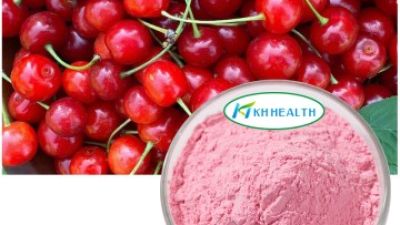
Organic Tart Cherry Powder: Market Insights Backed by Grand View Research and Nutrition Business Journal Reports

Organic tart cherry powder is gaining attention in the functional food and nutritional ingredient market as consumers seek convenient, plant-based sources of naturally occurring bioactive compounds. Market insights from established research and nutrition industry reports indicate growing interest in fruit powders that support clean-label product development, sports nutrition, wellness beverages, and daily dietary routines. Derived from the whole fruit of *Prunus cerasus*, this fine powder provides anthocyanins, polyphenols, vitamin C, and naturally occurring melatonin, making it suitable for drink mixes, smoothies, nutrition bars, capsules, and other formulated products.

Produced through low-temperature spray drying or customizable freeze-drying, the powder is designed to help preserve the fruit’s characteristic nutritional profile while offering good solubility in water. It is available with USDA Organic and EU Organic certification from an FDA-registered facility, supporting transparent sourcing and quality-focused manufacturing requirements. With a 24-month shelf life, a minimum order quantity of 25 kg, and customization options for processing and packaging, it can serve both emerging wellness products and larger-scale ingredient programs. Its clean fruit profile and flexible format also make it adaptable to product concepts emphasizing organic sourcing, convenient nutrition, and naturally derived functional ingredients.

FAQS

Why should I compare individual ginsenosides, not only total ginsenosides?

Total content can hide the actual chemical profile. Check Rb1, Rg1, and Rg3 separately. Numbers need context.

What does a high Rg3 level possibly indicate?

A high Rg3 result may suggest heat processing or a transformed extract. It is not automatically better. I would ask for processing details.

Why is Rb1 important in American ginseng extract?

Rb1 is commonly prominent in American ginseng. Rg1 may be lower or vary between batches. Natural variation exists.

What should a lot-specific certificate of analysis include?

Look for the batch number, testing method, dry-weight basis, and extraction ratio. Laboratory accreditation also matters. Generic sheets are weaker evidence.

Does a high percentage of total ginsenosides prove better quality?

No. A concentrated extract may not resemble the original root profile. Compare chromatograms, not bold percentages alone.

What serving amount should I compare with the label?

Compare the actual extract amount with the manufacturer’s 200–400 mg daily range. Check capsules, droppers, or spoonfuls carefully. Labels can confuse.

Does one capsule always equal one serving?

Not necessarily. One serving may contain two capsules. I once assumed otherwise, and that was poor judgment.

What other quality details deserve attention?

Verify botanical identity, cultivation country, organic certification, heavy metals, pesticides, and microbial testing. Small details matter.

How should I store the extract and track use?

Keep the bottle away from heat and moisture. Record the daily serving for one week. My timing notes were inconsistent, so my observations were imperfect.

Can different suppliers’ ginsenoside results be compared directly?

Only cautiously. Suppliers may report Rb1, Rg1, and Rg3 differently. Testing methods and extraction details can distort comparisons.

Conclusion

Choosing a high-quality Organic Ginseng Extract requires more than checking the front label. Start by verifying USDA Organic certification and confirming that at least 95% of the ingredients are certified organic. Compare the total ginsenoside content, along with important compounds such as Rb1, Rg1, and Rg3, to understand the extract’s strength. The stated extraction ratio, such as 10:1, should clearly explain how much raw-root material was used.

Quality and safety documentation are equally important. Look for HPLC testing and a batch-specific Certificate of Analysis that confirms identity, potency, and purity. Heavy-metal screening should follow recognized USP elemental-impurity limits. Also review the recommended serving size, especially whether it fits the manufacturer’s suggested 200–400 mg daily range. Finally, check the harvest date, shelf life, storage instructions, and whether the product uses light-protective packaging. These details can help you select a consistent, transparent, and properly protected extract.
Sophia

Sophia

Sophia is a dedicated marketing professional at Beton, where she has been instrumental since the company's inception in 2015. With a strong focus on amino acids, APIs, vitamins, and other essential products, she has leveraged her expertise to enhance the company's commitment to quality and......
Previous Top Spirulina Powder Suppliers for Global Buyers?