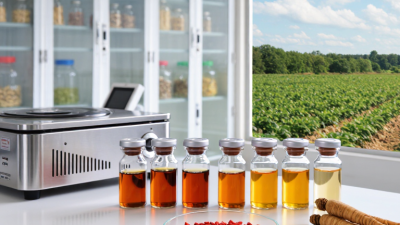
Global buyers these days aren’t just looking at price when they pick an Organic Ginseng Extract. What they really want is quality they can count on, paperwork that’s clear, and a supply chain that doesn’t keep them guessing. Organic growing can help lower exposure to synthetic ag chemicals, and honestly, it tends to make the purchasing process a bit more transparent too. That said, “organic” shouldn’t just be taken at face value—you’ve got to verify it. And the certification needs to line up with the destination market and the product category.
Honestly, a supplier you can trust should be upfront about where the ginseng comes from, when it was harvested, how it was processed, and what extraction ratio was used. You also want batch records that can link the farm, the factory, and the final shipment together. Independent testing is a good idea too—it can check identity, pesticide residues, heavy metals, microbial limits, and moisture content. And make sure any Certificates of Analysis are current and traceable. One thing to keep in mind: USDA Organic and EU Organic requirements aren't always the same. That's why experienced sourcing teams tend to look closely at both claims.
Processing details? Yeah, they matter too. A gentler extraction can help preserve some of those selected ginseng compounds, though honestly the results really depend on temperature, solvent, and storage. With Organic Red Ginseng Extract, you’ve got to pay a bit more attention — steaming changes its chemical profile, after all. So before buyers sign off on big orders, they should ask for representative samples first. You know, a site audit can actually turn up some pretty practical details—things like clean drying rooms, sealed containers, and equipment that’s properly calibrated. Honestly, it’s the small details that matter.
Look, no supplier is ever perfect. Even if the documentation looks solid, you might still wonder about seasonal swings or whether quality holds up over time. That’s exactly why responsible buyers don’t just take one batch at face value—they compare several, and they’re not shy about talking through corrective actions. Picking Organic Ginseng Extract should be a thoughtful call, backed by real evidence, not just flashy packaging. And honestly? Strong partnerships are built on straight talk, technical review, and quality you can count on again and again.
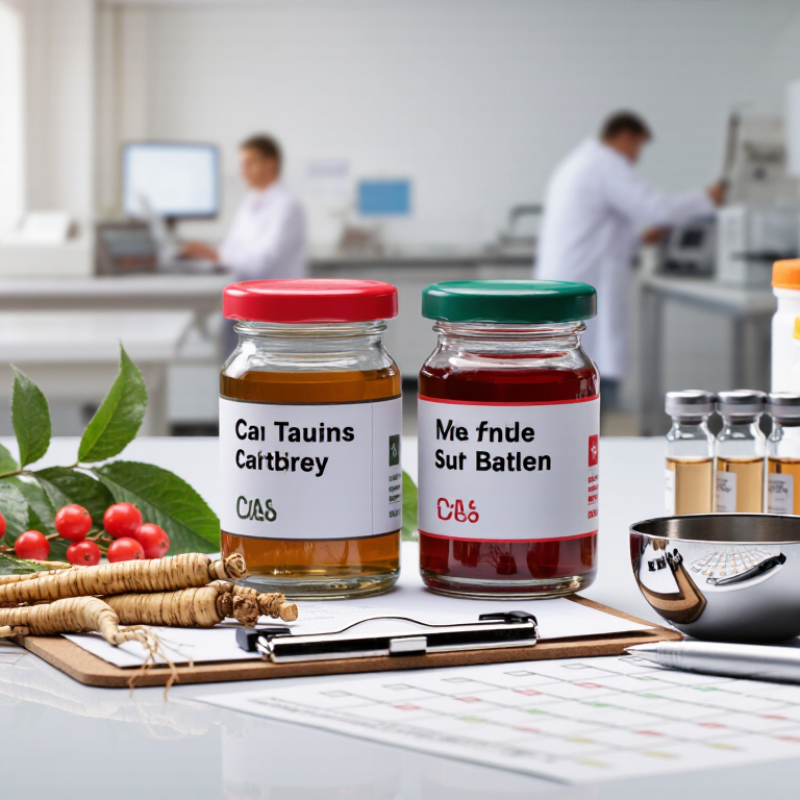
Organic ginseng extract is a concentrated preparation made from certified organic ginseng roots. Common species include Panax ginseng and Panax quinquefolius. Producers usually extract the roots with water or food-grade ethanol. The final powder or liquid contains active compounds called ginsenosides.
“Organic” does not simply mean natural. It refers to controlled farming, processing, and documentation. Certification rules vary between markets, including the United States, European Union, and Asia. The World of Organic Agriculture 2024 reported 96.4 million hectares of organic farmland worldwide in 2022. It also recorded about 4.5 million organic producers. This growth increases sourcing opportunities, but certification checks remain essential.
Extraction quality needs practical verification. Buyers should request the botanical species, plant part, extraction solvent, ginsenoside profile, and certificate scope. A clean-looking powder proves little. Testing should include identity, heavy metals, pesticides, microbes, and residual solvents. The WHO Monographs on Selected Medicinal Plants describes ginseng roots and their traditional uses, but it does not guarantee identical effects across extracts. That distinction matters.
Tips: Compare certificates with shipment documents. Check harvest dates and batch numbers. Ask for independent laboratory reports. Do not rely on “organic” wording alone. A sourcing plan can still fail when traceability stops at the processor. That is an uncomfortable gap, but it deserves attention.
Why Choose Organic Ginseng Extract for Global Sourcing?
Organic ginseng cultivation begins with clean soil, suitable shade, and patient field management. Growers test soil before planting and monitor nearby water sources. Ginseng develops slowly, often requiring several seasons before harvest. This long cycle rewards careful observation, not rushed production.
Organic Siberian Ginseng Extract requires accurate botanical identification. Siberian ginseng is commonly associated with Eleuthero, not true Panax ginseng. Reliable suppliers should state the plant’s scientific name and plant part clearly. During cultivation, workers manage weeds without prohibited synthetic chemicals. They also record seed origin, field history, weather conditions, and harvest dates. Certification requirements differ between markets, so documentation matters.
Processing starts with careful cleaning and controlled drying. Excess heat can damage sensitive compounds, while poor airflow may encourage microbial growth. Experienced facilities monitor temperature, moisture, and processing time. Extraction methods may use water, ethanol, or another permitted solvent, depending on the specification. Each batch should receive testing for identity, pesticide residues, heavy metals, microbes, and active markers. A certificate alone is not enough.
Real farms are not perfectly uniform. Weather changes, roots vary in size, and drying can be uneven. Responsible sourcing acknowledges these limits and corrects them through testing, traceability, and supplier audits. That practical honesty builds stronger confidence than exaggerated promises.
Organic ginseng requires a multi-year cultivation cycle before harvest. The chart compares typical harvest-age ranges for cultivated Asian ginseng and American ginseng, highlighting the time required to develop mature roots for extraction.
Organic cultivation avoids prohibited synthetic pesticides and fertilizers. Under USDA organic rules, farmland must generally be managed without prohibited substances for 36 months before an organic crop can be harvested. Actual harvest age varies with cultivar, soil, climate, and cultivation method.
Organic ginseng extract offers more than a clean-label story. The 2023 Organic Trade Association report recorded US organic sales of $67.6 billion in 2022. This growth reflects stronger buyer interest in traceable cultivation and controlled processing. However, organic certification does not automatically mean higher ginsenoside content. That distinction deserves attention.
Ginsenosides remain the key functional markers in ginseng extract. They may support energy, immune response, and stress adaptation, although human evidence remains mixed. The European Medicines Agency recognizes ginseng’s traditional use for fatigue and weakness, but does not treat it as a proven cure. Extract quality depends on species, root age, soil, harvest timing, and extraction temperature. A poorly controlled process can reduce consistency. It happens.
Nutritional value is more limited than many product descriptions suggest. Ginseng contains polysaccharides and small amounts of minerals, but it is not a major source of protein or vitamins. For global sourcing, request the botanical name, plant part, extraction ratio, ginsenoside assay, pesticide results, and organic certificate. Tip: Compare batch data, not only marketing claims. The NCCIH also notes that clinical results vary by preparation and study design. That warning matters. A practical review should examine three batches before approving a supplier, because one laboratory report may hide seasonal variation.
Global sourcing requires more than a promising ingredient name. Organic American Ginseng Root Extract should come with clear evidence of origin, processing, and certified organic status. Buyers should check whether the certificate covers the correct facility, product, and production period.
Look closely at the supply records. Farm location, harvest dates, and lot numbers should connect without gaps. A reliable supplier can provide certificates of analysis for each batch. These reports may include identity testing, ginsenoside profiles, moisture levels, heavy metals, pesticides, and microbiological results. Organic certification helps control agricultural inputs, but it does not replace broader quality testing.
Details matter.
During receiving, an extract may look clean and uniform. Appearance alone proves very little. Responsible teams compare the delivered lot with approved specifications and retained samples. They also review extraction methods, storage temperatures, packaging seals, and transport conditions. A damaged seal can raise more questions than a small color variation.
Certification systems differ across markets. Verify the issuing body and the current scope before making purchasing decisions. Documents can be genuine yet outdated. That is an uncomfortable weakness in many sourcing programs. Regular audits, supplier communication, and independent laboratory checks provide stronger protection. Still, no system removes every risk. Good sourcing depends on consistent evidence, careful judgment, and a willingness to question familiar paperwork.
| Sourcing Dimension | Recognized Requirement or Standard | What It Means for Organic Ginseng Extract | Recommended Verification Documents | Sourcing Status |
|---|---|---|---|---|
| Organic certification | Applicable schemes may include USDA Organic, EU Organic under Regulation (EU) 2018/848, or Japan Organic (JAS). | The agricultural production, handling, processing, and labeling claims must comply with the destination market’s organic rules. | Current organic certificate, certificate scope, transaction certificate where applicable, and certification-body verification. | Required |
| Traceability | Organic standards require records that support product traceability and segregation from non-organic materials. | Each lot should be traceable from cultivation and harvest through drying, extraction, packing, and shipment. | Lot number, farm or harvest records, processing records, inventory records, and chain-of-custody documentation. | Required |
| Botanical identity | The raw material should be identified as the declared Panax species, plant part, and processing form. | Testing helps confirm that the extract is derived from the declared ginseng species and is not substituted or adulterated. | Botanical authentication by macroscopic or microscopic review, chromatographic fingerprinting, and supplier specifications. | Required |
| Ginsenoside profile | Organic regulations generally do not set a universal minimum ginsenoside percentage. | A purchase specification should define total ginsenosides and, when relevant, individual markers such as Rb1, Rg1, and Re. | Lot-specific certificate of analysis using a validated HPLC or equivalent chromatographic method. | Buyer-defined |
| Extraction solvent compliance | Only processing aids and solvents permitted by the applicable organic program should be used for an organic claim. | The extraction method must be compatible with the target market and clearly documented, including solvent type and recovery controls. | Organic-processing approval, process flow chart, solvent declaration, and residual-solvent test results where relevant. | Required |
| Pesticide residues | Organic certification restricts prohibited substances, while importing countries may apply separate maximum residue limits. | Testing should cover the destination market’s pesticide list and account for possible environmental contamination. | Accredited-laboratory multi-residue report, sampling plan, and comparison with the destination country’s legal limits. | Required |
| Heavy metals | Limits depend on the destination market, product category, and applicable food or botanical-product legislation. | Lead, cadmium, arsenic, and mercury should be assessed because soil and processing conditions can affect botanical materials. | Lot-specific ICP-MS or equivalent laboratory report and documented compliance review against the importing market. | Required |
| Microbiological quality | Acceptance criteria should follow the product’s intended use and the food, supplement, or herbal-product rules of the destination market. | Testing commonly addresses total aerobic count, yeast and mold, and specified pathogens such as Salmonella and Escherichia coli. | Accredited-laboratory microbiological report, hygiene controls, and validated sampling procedures. | Required |
| Mycotoxins and foreign matter | Controls are determined by the risk profile of the botanical material and the requirements of the importing market. | Drying, storage, and transport conditions should minimize mold growth, infestation, and physical contamination. | Aflatoxin or relevant mycotoxin report, visual inspection record, moisture result, and pest-control documentation. | Risk-based |
| Moisture and physical properties | Moisture, appearance, color, odor, solubility, and particle size are normally controlled through the agreed product specification. | Consistent physical properties support shelf stability, accurate dosing, blending, and efficient transportation. | Approved specification, batch test results, packaging inspection, and retained sample records. | Buyer-defined |
| Quality management system | Good Manufacturing Practice, hazard analysis, sanitation, change control, and corrective-action procedures improve batch consistency. | A documented quality system reduces risks from mislabeling, cross-contact, process variation, and incomplete records. | Third-party audit report, GMP certificate where applicable, HACCP plan, SOP index, and deviation records. | Strongly recommended |
| Labeling and export readiness | Organic claims, ingredient names, country-of-origin statements, and health-related wording must comply with destination-market rules. | Correct documentation helps prevent customs delays, claim rejection, relabeling costs, and non-compliant marketing. | Draft label, specification sheet, certificate of analysis, certificate of origin, packing list, and export documents. | Required |
Note: Organic certification confirms compliance with an approved organic production and handling standard. It does not, by itself, guarantee a specific ginsenoside concentration, therapeutic effect, or compliance with every destination-market requirement.
Organic Ginseng Extract can support buyers seeking traceable and carefully managed botanical ingredients. Organic certification helps verify farming practices, but requirements differ across markets. Buyers should confirm that certificates match the destination country’s rules. Reliable suppliers also provide batch numbers, harvest details, laboratory reports, and clear processing records. These documents make quality reviews more practical.
Supply consistency matters in global purchasing. A stable supplier can offer defined specifications, moisture limits, active compound testing, and suitable packaging. Buyers may also benefit from flexible shipment sizes and predictable lead times. This helps manufacturers plan production instead of reacting to sudden shortages. However, no supply chain is flawless. Weather, crop variation, and port delays can still affect delivery. Honest communication is more valuable than confident promises.
Tips: Request a recent certificate of analysis before approval. Check the botanical name, plant part, extraction method, and test date. Ask whether the same standards apply to every batch. Compare samples under matching storage conditions. Small details often reveal larger quality differences. Buyers should also review labeling and import documents with qualified local experts. This step may feel slow, yet it can prevent expensive rework. A careful sourcing process is not always perfect, but it becomes stronger through repeated checks and documented feedback.
Sourcing Organic Ginseng Extract Powder requires more than comparing prices. Buyers should verify the farm origin, harvest year, processing site, and certification scope. A valid certificate must cover the product category and production stage, not only the agricultural supplier. This detail is often missed.
Traceability should work at batch level. Each shipment needs a clear lot number, harvest record, processing date, and transport history. Reliable suppliers can connect a sealed bag to field records and laboratory results. Documents should include identity testing, pesticide screening, heavy metal analysis, and microbiological results. Check the laboratory’s accreditation and testing methods. Paperwork alone is not enough.
Ask how the supplier handles damaged packaging, moisture exposure, and rejected batches. A damp warehouse can affect powder quality before customs inspection. Supply contracts should define document retention, sampling procedures, and audit access. Import requirements also differ across markets, so compliance teams must review labeling, organic claims, permitted ingredients, and residue limits before purchase. No system is flawless. A spreadsheet can still hide a weak handoff between farms, processors, and exporters. Small suppliers may provide excellent material but lack mature records. That risk deserves a practical corrective plan, not an automatic rejection.
The red wine extract powder market is gaining attention as demand grows for convenient, standardized polyphenol ingredients in functional foods, beverages, and dietary formulations. Grand View Research’s analysis of the red wine sector indicates continued expansion through 2030, supported by consumer interest in premium wine-derived compounds and plant-based antioxidants. IMARC’s wine market assessment likewise projects steady global growth, with market value expected to increase at an annual rate of approximately 5% during its forecast period. These trends are encouraging manufacturers to develop shelf-stable, water-soluble formats that can be used beyond traditional liquid products.
For manufacturers and bulk buyers, specification consistency is central to commercial adoption. A suitable red wine extract powder should present as a brownish-red fine powder with a defined polyphenol profile, helping support batch-to-batch quality control. An 80–120 mesh particle size, with 95% passing through the sieve, promotes uniform blending and improved handling in premixes and beverage applications. A loss on drying of no more than 6.0% can contribute to better storage stability, while water solubility enables practical use in instant drinks, nutrition powders, and other aqueous formulations.
As reported market growth strengthens competition among ingredient suppliers, buyers are increasingly evaluating extraction standardization, analytical documentation, packaging protection, and scalable manufacturing capacity alongside price. These factors can influence procurement decisions across nutraceutical, food, beverage, and cosmetic ingredient channels.
Growers test the soil before planting and monitor nearby water sources. Suitable shade supports slow root development. The crop may need several growing seasons before harvest. Patience matters.
They should record seed origin, field history, weather conditions, and harvest dates. These details connect the root to its growing environment. Gaps can weaken traceability.
Different ginseng types can have similar market names. Suppliers should state the scientific name and plant part clearly. This prevents confusion during purchasing and testing.
Processing usually begins with careful cleaning and controlled drying. Excess heat may damage sensitive compounds. Poor airflow may encourage microbial growth. Temperature, moisture, and time require monitoring.
Each batch should receive identity and purity testing. Useful checks include pesticides, heavy metals, microbes, moisture, and active markers. Appearance alone proves very little.
Check the certificate, issuing body, covered facility, product, and production period. Farm locations, lot numbers, and harvest dates should connect without gaps. A certificate may be genuine yet outdated.
No. Organic certification mainly addresses agricultural inputs and production requirements. It does not replace laboratory testing or supplier audits. Details matter.
Damaged seals, unsuitable temperatures, and poor transport conditions can affect product quality. Teams should compare delivered lots with approved specifications and retained samples. Color changes may be less serious than broken packaging.
Use traceability records, batch testing, regular audits, and clear supplier communication. Independent laboratory checks add useful evidence. No system is perfect. That limitation deserves honest attention.
Organic Ginseng Extract is a plant-based ingredient made by concentrating the naturally occurring compounds found in organically cultivated ginseng roots. Its value depends on careful cultivation, suitable soil management, responsible harvesting, and controlled processing methods that help preserve its characteristic nutritional and functional properties. Buyers often evaluate factors such as consistency, purity, moisture content, active compound levels, and the absence of unwanted contaminants.
For global sourcing, certified organic production can provide greater transparency and support responsible purchasing decisions. Organic certification, documented quality standards, batch testing, and clearly defined specifications help buyers compare suppliers and manage product expectations. A reliable supply chain should also include traceability from farm to finished extract, accurate records, secure handling, and compliance with applicable import, labeling, safety, and commercial requirements in each destination market. By reviewing these factors together, international buyers can select Organic Ginseng Extract with greater confidence in its quality, origin, consistency, and long-term supply suitability.