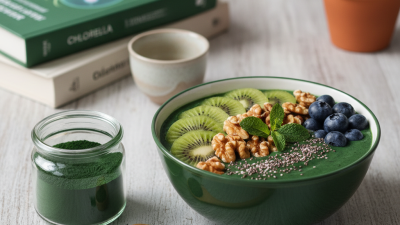
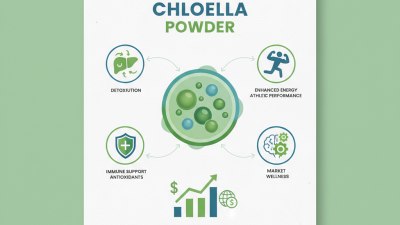
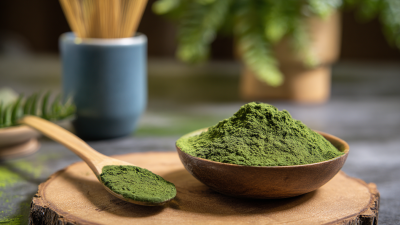
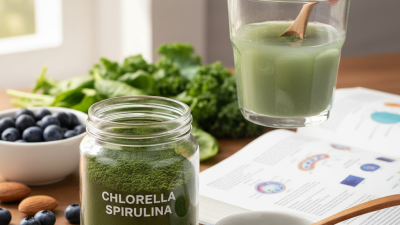
Chlorella Raw Powder is basically a very finely milled green powder made from freshwater microalgae. That deep green color? It comes from chlorophyll and other natural pigments. You'll usually notice a grassy sort of smell and a slightly bitter taste. It's easy enough to mix into smoothies, stir into yogurt, or blend into sauces—just start small.
The word “raw” deserves a bit of side-eye, honestly. It might mean the processing was gentle, but it doesn't always mean the powder was never heated or completely untouched. Different suppliers do things differently. If you're looking at Raw Organic Chlorella Powder, check that it's backed by a valid organic certification too. Certification rules vary from country to country. A label you can trust should tell you the species, where it came from, how it was produced, and a recommended serving.
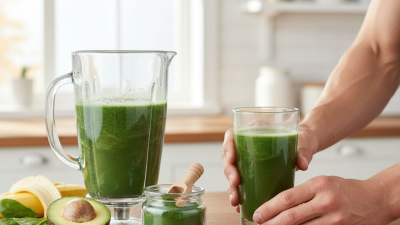
In everyday use, Chlorella Raw Powder tends to work best in cold foods and drinks. A teaspoon can turn a banana smoothie dark green in seconds. Plain water? That can taste pretty strong. Apple, citrus, or ginger can make the flavor easier to handle. Still, everyone's tolerance is different. Some people get digestive discomfort, especially if they take too much. Follow the package directions, and talk with a qualified healthcare professional if you're taking medication or managing a health condition. Chlorella is a food ingredient—not a guaranteed treatment. Testing for heavy metals, microbes, and other contaminants matters too. Quality can be uneven. That's an uncomfortable point, I know, but it deserves attention. Understanding what Chlorella Raw Powder actually is helps readers use it realistically, compare products more carefully, and avoid overblown wellness claims.
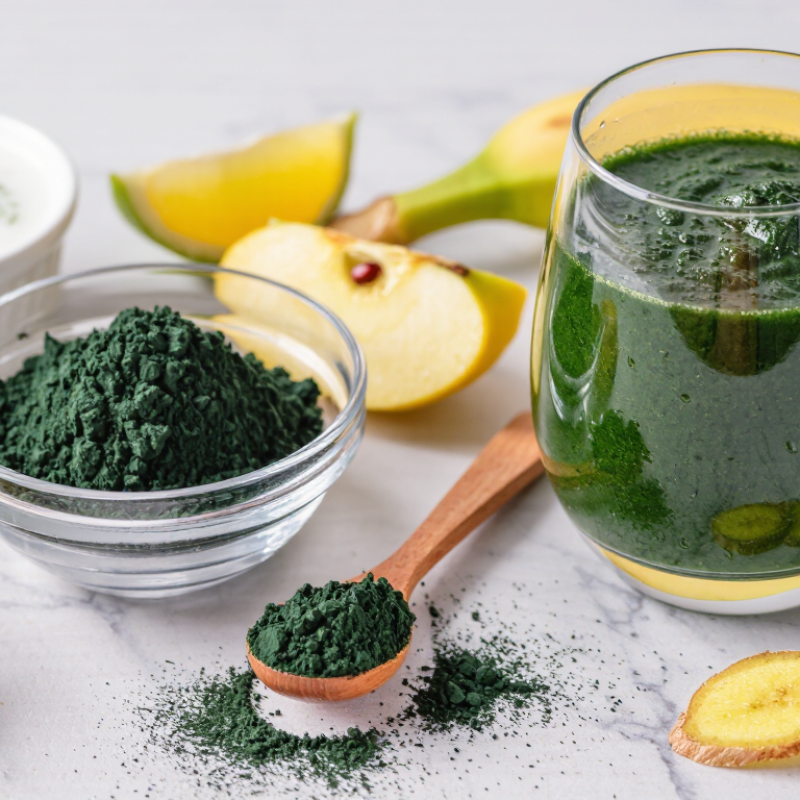
Chlorella Raw Powder is a finely milled powder made from dried freshwater microalgae, commonly Chlorella vulgaris. It is not a leaf powder or a synthetic supplement. Under a microscope, the source is a tiny green, single-celled organism with a rigid cell wall. “Raw” usually suggests limited processing after cultivation, harvesting, drying, and milling. However, the term is not globally standardized. Processing methods still vary.
Its nutrient profile can be concentrated. A widely cited review in Biotechnology Advances reported approximately 42–58% protein in dry Chlorella biomass, depending on species and growing conditions. The same review noted measurable lipid, carbohydrate, mineral, and pigment content. Actual values can shift with sunlight, water quality, drying temperature, and storage. That matters. A bright green spoonful is not proof of superior quality.
People commonly blend Chlorella Raw Powder into water, smoothies, yogurt, or vegetable juice. Its flavor can resemble fresh grass, with a slightly marine edge. Some users begin with a small serving because the taste is intense. Product labels should identify the species, processing method, serving size, and testing for contaminants. The FAO has repeatedly emphasized quality control in algae production, especially for cultivation water and microbial safety. I would avoid treating “raw” as automatically safer, cleaner, or more nutritious. The claim sounds simple, but the powder is not.
Representative macronutrient composition of dried chlorella raw powder
Chlorella raw powder is a dried, ground freshwater green microalga. On a dry-weight basis, it is typically rich in protein and also contains carbohydrates, lipids, minerals, and a small amount of residual moisture. It is commonly blended into smoothies, juices, yogurt, soups, and other foods. Actual values can vary with the Chlorella species, cultivation conditions, harvesting, and drying method.
Values shown are representative averages from published compositional ranges for dried Chlorella Powders and are expressed as grams per 100 grams of product.
Raw Chlorella Powder comes from cultivated freshwater microalgae, not from ordinary leafy plants. Producers grow Chlorella in controlled ponds or closed photobioreactors. Light, temperature, pH, carbon dioxide, and nutrients require constant monitoring. Small errors can change color, taste, and nutrient levels.
A 2022 review in Algal Research reported that Chlorella biomass commonly contains about 42–58% protein on a dry-weight basis. However, values vary with species and cultivation conditions. Harvesting usually uses filtration or centrifugation. The concentrated biomass is then washed to reduce residual salts and growth-medium compounds. It is dried using spray drying, drum drying, or freeze drying. Each method affects moisture, color, and heat-sensitive compounds. Not every “raw” product is truly untreated. That label needs careful interpretation.
After drying, manufacturers mill the biomass into a fine green powder. Testing should cover moisture, microbial limits, heavy metals, pesticides, and identity. The U.S. Food and Drug Administration’s guidance on dietary supplement manufacturing supports documented testing and batch controls. The Food and Agriculture Organization also identifies microalgae as nutrient-dense organisms with potential food applications. Raw Chlorella Powder is commonly mixed into smoothies, capsules, soups, or vegetable drinks. Start with a small portion. Its marine-like flavor can be surprisingly strong. Some production claims still lack transparent, batch-level evidence.
Chlorella raw powder is made from dried freshwater microalgae, usually milled into a green powder. “Raw” does not always mean freshly harvested or completely unprocessed. Processing methods differ, so labels deserve careful reading.
Its strongest nutritional feature is protein, which supports everyday tissue maintenance. It also supplies dietary fiber, iron, magnesium, zinc, and small amounts of several B vitamins. Chlorophyll gives the powder its deep green color and distinctive taste. Carotenoids, such as lutein and beta-carotene, add antioxidant compounds to its nutrient profile. However, amounts vary between species, growing conditions, drying methods, and serving sizes. Some products contain vitamin B12, but its form and activity may be inconsistent. This is an important limitation.
In practice, people often stir a small serving into water, juice, yogurt, or a smoothie. The flavor can be grassy and slightly sea-like. I would start with less than the label’s full serving. A tested product should disclose ingredients, batch information, and contaminant testing. This matters because algae can absorb unwanted substances from their growing environment. People with allergies, digestive conditions, or regular medications should ask a qualified healthcare professional before using it. Nutrition claims can sound more certain than the evidence allows. That caution matters.
Chlorella raw powder is made from dried freshwater algae, usually milled into a fine green powder. It has a deep color and a grassy, sea-like flavor. In food, cooks often blend small amounts into smoothies, soups, salad dressings, sauces, and energy bites. Start with a quarter teaspoon. The taste can become strong quickly.
In drinks, chlorella raw powder mixes best with cold water, fruit juice, or plant-based milk. Citrus, pineapple, apple, ginger, and mint can soften its earthy notes. A shaker bottle helps, although some powder may still settle at the bottom. That is normal. Stir again before drinking.
It is not the same as Raw Organic Green Banana Powder. Each powder has different flavors, textures, and culinary uses. Chlorella may also add green color to yogurt, hummus, or homemade crackers. Heat can affect flavor and color, so adding it after cooking may produce a brighter result. However, “natural” does not always mean suitable for everyone. People with allergies, sensitive digestion, or ongoing medical conditions should check the ingredient label and seek professional advice. Product quality can vary, too. Look for clear sourcing, batch testing, and storage instructions. I have found that smaller portions are easier to enjoy, while larger amounts often make recipes taste unpleasant. That part deserves honest experimentation.
Chlorella raw powder is made from dried freshwater algae, usually ground into a fine green powder. “Raw” does not mean completely untreated or ready for unlimited use. Processing methods differ, so check the product’s preparation instructions and testing information. Choose powder with clear batch details and independent checks for microbes, heavy metals, and other contaminants.
Mix a small serving into cool or room-temperature water, juice, yogurt, or a smoothie. Avoid boiling liquids, which may reduce some sensitive nutrients. Add the powder slowly, then stir until no dry pockets remain. My first attempt was too concentrated and tasted strongly grassy. Starting with less is wiser. Use a clean, dry spoon each time. Prepared drinks should be consumed promptly, not left at room temperature for hours.
Store the unopened powder in a cool, dry, dark cupboard. Seal the container tightly after every use. Moisture is the main enemy. A wet spoon can create clumps and encourage spoilage. Refrigeration is not always better because repeated temperature changes may cause condensation. Follow the package guidance instead. Discard powder with an unusual smell, visible moisture, insects, or unexpected color changes. People taking anticoagulants, managing immune conditions, or planning pregnancy should ask a qualified healthcare professional before regular use. Even careful preparation cannot replace individual medical advice.
| Dimension | Verified Information | Practical Guidance |
|---|---|---|
| What it is | Chlorella is a single-celled freshwater green microalga. Commercial raw powder is made by drying cultivated chlorella biomass and milling it into a fine powder. | Use it as a food ingredient or dietary supplement rather than as a replacement for a varied diet. |
| Common species | Products commonly contain species such as Chlorella vulgaris or Chlorella pyrenoidosa. | Check the product label for the species, ingredient list, allergen statement, and quality-testing information. |
| Appearance and flavor | The powder is usually green to dark green because it contains chlorophyll and other pigments. Its flavor is commonly described as grassy, earthy, or marine-like. | Mix it with fruit, citrus, yogurt, soup, salad dressing, or another strongly flavored food if the taste is too intense. |
| Nutrient profile | Chlorella can provide protein, fiber, iron, carotenoids, chlorophyll, and vitamin K. Exact amounts vary substantially by species, cultivation method, processing, and serving size. | Use the nutrition facts panel for actual values; do not assume that every chlorella powder has the same nutrient composition. |
| Cell-wall processing | Chlorella has a rigid cell wall. Some powders are labeled “broken-cell-wall” or “cracked-cell-wall,” while others are not. | Treat cell-wall processing as a product specification, not as proof of a particular health outcome. |
| Typical uses | The powder may be stirred into water, smoothies, juice, yogurt, oatmeal, sauces, soups, or salad dressings. | Add it gradually to foods and beverages to improve taste and help assess individual tolerance. |
| Serving amount | There is no single universal serving size for all chlorella powders. Recommended amounts differ according to the product and its concentration. | Follow the serving directions on the package and use the included scoop or a kitchen scale when available. Do not exceed the stated serving without professional advice. |
| Basic preparation | Chlorella raw powder is ready to mix into food or liquid; it does not normally require cooking, soaking, or brewing. | Place the measured powder in a small amount of cool or room-temperature liquid, whisk until smooth, then add the mixture to the final drink or food. |
| Water temperature | Cool or room-temperature liquids are convenient for mixing. Excessive heat may change color, flavor, and some heat-sensitive nutrients. | Avoid boiling the powder directly. If adding it to cooked food, stir it in after the food has cooled slightly. |
| Mixing technique | Fine algae powders can clump when added directly to a large volume of liquid. | Make a smooth paste with a small amount of liquid first, then dilute it. A shaker, whisk, or blender can improve dispersion. |
| Gradual introduction | Some people experience temporary digestive effects such as nausea, abdominal discomfort, diarrhea, or increased gas. | Begin with a small portion, take it with food, and increase only according to the package directions and personal tolerance. |
| Storage container | Powder quality can be affected by moisture, oxygen, light, heat, and contamination. | Keep it in its original tightly closed container or transfer it to a clean, dry, airtight, food-safe container. |
| Storage location | A cool, dry, dark cupboard is generally suitable unless the package specifically requires refrigeration. | Keep the container away from direct sunlight, steam, sinks, stoves, and other sources of heat or humidity. |
| Handling after opening | Repeated exposure to air and moisture can accelerate clumping and deterioration. | Use a completely dry spoon, close the lid promptly, and never return unused powder that has contacted wet food or liquid. |
| Shelf life | The best-before date depends on processing, packaging, and storage conditions. | Use the product before the labeled date and follow any storage instructions printed on the package. |
| Signs of spoilage | Unexpected moisture, mold, an unusual fermented or rancid odor, major discoloration, or insect contamination indicates a quality problem. | Discard the powder if any abnormal appearance or smell is present. Do not taste questionable powder to test it. |
| Medication interaction | Chlorella may contain vitamin K, which can interfere with the effect of warfarin and other vitamin-K-sensitive anticoagulation treatment. | People taking anticoagulants should consult a healthcare professional before using chlorella and should not change medication doses independently. |
| Allergy and sensitivity | Allergic reactions are possible, particularly in people sensitive to algae or supplement ingredients. Digestive discomfort can also occur. | Stop using the product and seek appropriate medical advice if symptoms such as rash, swelling, breathing difficulty, or persistent gastrointestinal problems occur. |
| Quality considerations | Algae can accumulate contaminants if cultivation and processing are not properly controlled. Quality can vary between products. | Choose products with clear labeling, batch information, contaminant testing, and an independent quality-verification statement where available. |
Note: Nutrient values, serving sizes, processing methods, and storage requirements vary by product. Always read the package label and consult a qualified healthcare professional when using chlorella with medication or during pregnancy, breastfeeding, or treatment for a medical condition.
Chlorella raw powder is a dried green microalgae powder, usually mixed into smoothies, yogurt, or water. Its intense color comes from chlorophyll. The flavor can be grassy and surprisingly strong. Raw
often suggests limited heat processing, but it does not guarantee sterility or superior nutrition. Buyers should check the species, cultivation location, harvest date, and storage instructions.
Safety deserves more attention than the bright green appearance. The World Health Organization estimates that 600 million people develop foodborne illness yearly, showing why contamination controls matter (WHO, Food Safety Fact Sheet). A responsible supplier should provide batch-specific laboratory results for lead, arsenic, cadmium, mercury, microbial pathogens, pesticides, and cyanotoxins. The certificate should name testing methods, limits, and the laboratory. A generic certificate is weak evidence. I would also check whether the powder contains iodine or substantial vitamin K. These may matter for people with thyroid conditions or those using anticoagulants. Sensitive users can experience nausea, bloating, or allergic reactions.
Organic certification can support farming claims, but it does not replace contaminant testing. Nor does “natural” prove safety. The Council for Responsible Nutrition reported that 74% of U.S. adults used dietary supplements in 2023, increasing the need for clear labeling and informed choices. Confusion is easy when products resemble Organic Raw Banana Powder or other green powders. Chlorella should be identified by its scientific name, not only its color. FDA rules place manufacturing responsibility on companies, not consumers. I would begin with a small serving and stop if symptoms appear. The label may still be incomplete.
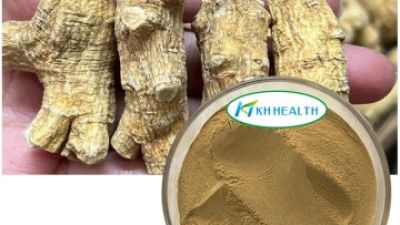
Organic American ginseng root extract powder is derived from the root of *Panax quinquefolius L.*, a North American botanical traditionally valued for its naturally occurring ginsenosides. As a convenient powdered ingredient, it may be used in functional food formulations, beverage blends, nutritional products, and botanical preparations. Its fine brownish-yellow to white appearance allows it to disperse easily in many dry or liquid applications, while its mild herbal profile can complement other ingredients.
This extract is produced through solvent extraction using water and ethanol, helping concentrate the root’s characteristic botanical compounds while maintaining practical flexibility for product development. When evaluating quality, buyers should review the botanical identity, plant part, extraction method, processing controls, and certificate documentation. USDA Organic and EU Organic certifications support organic sourcing, while FSSC22000 certification indicates a structured food safety management system. Testing for identity, purity, moisture, and microbiological quality can provide additional assurance for commercial use.
The powder is available with a minimum order quantity of 25 kg, making it suitable for manufacturers, distributors, and formulation projects requiring consistent supply. For storage, keep the product in sealed containers in a cool, dry place and protect it from excessive heat, moisture, and direct light. Under these conditions, the stated shelf life is 24 months. Buyers should also confirm packaging specifications, batch documentation, lead time, and application requirements before placing an order.
It comes from cultivated freshwater microalgae. Producers grow it in controlled ponds or enclosed photobioreactors. It does not come from leafy vegetables.
Producers monitor light, temperature, pH, carbon dioxide, and nutrients. They harvest the algae through filtration or centrifugation. The biomass is washed, dried, and milled into fine green powder.
Common methods include spray drying, drum drying, and freeze drying. Each method can change moisture, color, and heat-sensitive compounds. The word “raw” may need careful interpretation.
Dry chlorella biomass commonly contains about 42–58% protein. The exact amount varies by species and growing conditions. A label is still more useful than a general estimate.
Mix a small portion with cold water, fruit juice, or plant-based milk. Citrus, pineapple, apple, ginger, and mint may soften its earthy flavor. Some powder can settle at the bottom.
You can blend it into smoothies, soups, dressings, sauces, yogurt, hummus, or energy bites. Adding it after cooking may preserve a brighter green color. Homemade crackers can also use small amounts.
Start with about one-quarter teaspoon. Increase slowly only if the flavor and digestion remain comfortable. Larger amounts can make food taste unpleasant. That surprised me.
Look for testing of moisture, microbes, heavy metals, pesticides, and product identity. Clear sourcing, batch information, and storage instructions are also helpful. Some production claims still lack detailed batch evidence. That deserves caution.
Chlorella Raw Powder is a naturally green, nutrient-dense ingredient made from freshwater microalgae. It is produced by cultivating chlorella under controlled conditions, harvesting the algae, gently drying it, and grinding it into a fine powder. Its nutritional profile may include plant-based protein, fiber, chlorophyll, vitamins, minerals, and other naturally occurring compounds. Because its composition can vary, product quality and processing methods are important considerations.
Chlorella Raw Powder can be blended into smoothies, juices, soups, sauces, energy bars, and other foods or drinks to add color and nutrients. It should generally be mixed gradually into a suitable liquid or recipe according to the product’s directions, since its flavor can be strong. To preserve freshness, store it in a tightly sealed container in a cool, dry, dark place and protect it from moisture. Consumers should also check sourcing, cleanliness, testing, labeling, and possible allergens, and consult a qualified health professional if they have dietary concerns or medical conditions.