Leave Your Message
0%

So, buying organic ginseng extract in bulk—you kind of have to start with a practical question: what's actually in that drum? Sure, the global ginseng market was worth about USD 2.08 billion in 2023, according to Grand View Research, and they're projecting 5.7% annual growth through 2030. But here's the thing: that figure covers all ginseng, not just organic extracts. It shows there's demand, but it doesn't really prove that a supplier's product is pure, potent, or consistently made batch after batch.

Mark Blumenthal—you might know him as the founder and executive director of the American Botanical Council—is a pretty trusted voice when it comes to herbal products. He basically makes the case that buyers should check what they're actually getting, not just fall for the marketing hype. Solid principle, right? When you’re checking out Organic Red Ginseng Extract, don’t just rely on the label. Ask for the Latin botanical name, the exact plant part used, how they did the extraction, and a recent certificate of analysis. Then confirm that each lot was actually tested for identity, active compounds, microbes, heavy metals, and pesticide residues. And don’t forget to ask who ran the tests. A fancy, polished document can look impressive—but it’s no substitute for real, verifiable testing.

Organic certification is another thing you really need to check into. Don't just spot the word “organic” and move on—look at who did the certifying, what exactly the certificate covers, and whether the product is actually listed. Because at the end of the day, “organic” on a label doesn't prove anything about ginsenoside levels. Also, compare samples from more than one lot. Pay attention to color, aroma, solubility, and assay results. Even small differences can matter more than you'd think.

When you're buying in bulk, careful records pay off. Hang on to samples, specifications, and the tolerances you agreed on. It's crazy how one little overlooked detail can turn into a costly batch problem. And that first quote? It's rarely the whole story.

7 Tips for Buying Organic Ginseng Extract in Bulk

Define Your Bulk Requirements and Intended Use

Before requesting quotes, define what “bulk” means for your operation: monthly kilograms, batch size, packaging format, and expected storage time. Also describe the finished product—capsules, powder blends, or liquid formulations—because each may require different extract strength and handling. HerbalGram’s 2022 U.S. market report recorded $12.763 billion in herbal-supplement sales, up 9.7% from 2021. That figure signals a growing category, not guaranteed demand for any specific extract.

Tip: Write a one-page specification before contacting suppliers. For Organic Siberian Ginseng Extract, identify Eleutherococcus senticosus by its botanical name; “ginseng” alone can be ambiguous. State the plant part, extract ratio, solvent, and any marker compounds your formulation requires. Ask for a lot-specific certificate of analysis and current organic documentation. Small details matter.

Estimate usage from realistic production runs, not optimistic sales forecasts. A 25-kilogram drum may look efficient, but it can create waste if the extract absorbs moisture, loses quality, or sits too long after opening. Confirm shelf life, inner-liner material, resealing options, and minimum order quantity. I would still question any specification that says only “high potency.” Request measurable criteria, then compare them across suppliers. Keep the first order aligned with a trial batch.

Verify Organic Certification and Supplier Credentials

When buying Organic American Ginseng Root Extract in bulk, check the current organic certificate before discussing price. Confirm the certifier, certificate holder, facility address, and certified product scope. The certificate should cover the relevant extract, not merely raw ginseng or another product. For U.S. organic claims, check the certifier and operation in the USDA Organic Integrity Database. Match the certificate to the seller’s legal name and the facility handling your lot. Paperwork can look reassuring. It is not proof by itself.

Ask for a lot-specific certificate of analysis, traceability records, and a clear description of the extract. Check that the botanical name, root part, extraction method, and any carriers match your specification. Request test results for identity, contaminants, and relevant quality measures, and confirm which laboratory performed them. Details matter. A generic sample report may not describe the shipment you receive.

Supplier credentials deserve the same scrutiny. Ask about audit scope, handling controls, and procedures for keeping organic materials separate. The Organic Trade Association’s 2024 Organic Industry Survey reported U.S. organic sales of $71.6 billion in 2023, up 3.4% from 2022. That broad-market figure is not proof of any supplier’s quality; it does show why precise verification matters. Keep written answers and retain documents linked to each lot. I would still recheck the records when a supplier changes facilities or sources.

Assess Ginseng Species, Origin, and Plant Part

When comparing bulk organic ginseng extracts, confirm the botanical species rather than relying on the word “ginseng” alone. Panax ginseng and Panax quinquefolius are different species, with distinct traditional uses and chemical profiles. Ask for the Latin name on the specification sheet and make sure it matches the product label. Common names can be vague. Check the stated growing region, too. A clear origin helps you assess traceability, but geography alone does not prove quality or organic status. Request current certification documents that cover the supplier and the relevant product.

The plant part matters just as much. Many extracts use the root, while some products may include leaves or other parts; their composition can differ. Confirm the part used, its proportion if blended, and whether the extract is standardized to named ginsenosides. A batch-specific certificate of analysis should identify test methods and results, not just repeat marketing claims. For a large order, compare a retained sample with the incoming lot’s appearance, aroma, and paperwork. I still find this easy to overlook. Organic certification does not, by itself, tell you the species, plant part, or extract strength. Get those details in writing before agreeing to a volume or delivery schedule.

Compare Extraction Methods and Active Compound Levels

When comparing bulk organic ginseng extracts, ask how each was made. Hot-water extraction can draw out water-soluble compounds, while ethanol may recover a different range of constituents. Dual extraction combines approaches, but it is not automatically better. The useful choice depends on the intended product and the extract’s documented composition. Small details matter. Check the ginseng species, root part, and extract ratio, not just the word “concentrated.”

Look for a recent certificate of analysis from an independent laboratory. It should identify the tested batch and report individual ginsenosides, such as Rg1, Re, and Rb1, rather than only a vague “total ginsenosides” figure. Compare results in consistent units, such as milligrams per gram of dry extract. A larger number is not proof of a better extract; different methods can produce different profiles. Ask whether the test used HPLC or UPLC, and whether the supplier can provide representative bulk-lot results. Organic certification speaks to production standards, not active-compound strength. I still find this easy to overlook when comparing tidy spec sheets. If a method or assay is unclear, pause before ordering a large quantity.

Review Testing Results and Product Traceability

When buying organic ginseng extract in bulk, review the paperwork behind each lot, not just the organic seal. The USDA’s 2022 Organic Survey counted 17,445 certified organic farms and $9.9 billion in organic sales. That scale makes clear why a traceable supply chain matters. Ask for records linking the farm, harvest, extraction date, and finished batch. Details should match across documents.

Tip: Request a lot-specific certificate of analysis from an independent laboratory. Check botanical identity, ginsenoside results, heavy metals, pesticide residues, and microbial testing. For extracts, ask which test method measured the ginsenosides, such as HPLC, and whether the report shows actual results or only “pass.” A neat certificate is not proof by itself.

The Council for Responsible Nutrition’s 2023 Consumer Survey reported that 74% of U.S. adults use supplements, increasing the importance of clear quality records. Compare the COA’s lot number with the container label and purchase documents. Confirm that the organic certificate covers the relevant processor and product scope. Organic certification does not establish potency or rule out every contaminant. If records are incomplete, pause the order. I’ve seen paperwork look reassuring at first glance, yet leave basic questions unanswered.

Evaluate Pricing, Minimum Orders, and Storage Terms

When comparing Organic Ginseng Extract quotes, ask what each price includes: extraction ratio, ginsenoside assay, packaging, freight, and testing documents. Compare cost per kilogram and per gram of declared marker, not just the headline price. The Organic Trade Association’s 2024 Organic Industry Survey reported U.S. organic sales of $69.7 billion in 2023, up 3.4% from 2022. That signals broader category demand, not a guaranteed ginseng price premium. Don’t treat it as one. Ask suppliers to explain price breaks and how harvest season or specification changes affect them.

Minimum orders can tie up cash and leave slow-moving stock on your shelves. Request a sample, then ask whether a first order can be smaller than the standard MOQ. Confirm that the sample and production lot share the same specification and test methods. Check whether repeat orders require the same MOQ. It sounds basic, but it is easy to overlook.

Before purchasing, get storage conditions, packaging, and shelf life in writing. Store the extract only within the supplier’s documented temperature and humidity limits; keep the container sealed, dry, and away from direct light. Ask for stability data supporting the stated shelf life, especially if your warehouse gets warm in summer. A low unit price is less useful if the pack size or storage needs do not fit your operation.

Request Samples and Confirm Quality Before Buying in Bulk

Before placing a bulk order, request a sample from the same production lot you may buy. A small pouch lets your team check the powder under normal working conditions. Note its color, aroma, texture, and how easily it disperses in water or a chosen recipe. These observations are useful, but they cannot confirm purity or potency by themselves.

Ask for a recent certificate of analysis that matches the sample’s lot number. Review the stated ginsenoside assay, moisture level, and tests for relevant contaminants. If the report is unclear, ask which methods were used and whether an independent laboratory performed the testing. Keep the sample label and paperwork together. That detail is easy to miss.

Test Organic Ginseng Extract Powder in the actual process where it will be used, such as blending or filling. Record any clumping, residue, or differences between repeated preparations. A sample may look consistent once and behave differently in a larger run; that is worth checking, not assuming away. Compare the sample with the supplier’s written specifications, then request a second sample if results seem inconsistent. No sample removes every risk. It does, however, give buyers concrete questions to resolve before committing to a large quantity.

Green Tea Extract with 98% L-Theanine: Market Insights from Grand View Research’s Green Tea Report

Grand View Research’s Green Tea Market report estimates that the global market was valued at approximately USD 15.3 billion in 2023 and projects a compound annual growth rate of about 6.3% from 2024 to 2030. The report points to sustained interest in green tea products across food, beverage, and wellness applications. Within this expanding category, green tea-derived ingredients offer manufacturers a way to develop more specialized formulations while retaining a clear connection to the tea plant.

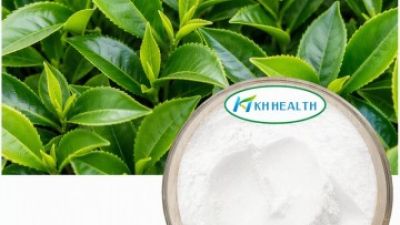
L-Theanine is an amino acid found in *Camellia sinensis* leaves and can be supplied as a white crystalline powder for ingredient use. This specification provides L-Theanine at ≥98% by HPLC, with a 99% grade available. Its CAS number is 3081-61-6, and its molecular formula and weight are C₇H₁₄N₂O₃ and 174.20 g/mol, respectively. Also known as gamma-glutamylethylamide or N-ethyl-L-glutamine, high-purity L-Theanine can support precise formulation and consistent quality control as interest in differentiated green tea ingredients grows.

FAQS

What information should I prepare before requesting bulk quotes?

Estimate monthly kilograms, batch size, packaging format, and storage time. Describe whether the extract will go into capsules, powder blends, or liquids. A one-page specification helps.

How should I identify the botanical ingredient?

Use the botanical name, Eleutherococcus senticosus, rather than “ginseng” alone. Specify the plant part, extract ratio, solvent, and any required marker compounds. Small details matter.

What documents should I request from a supplier?

Ask for a lot-specific certificate of analysis and current organic documentation. Confirm that the sample and production lot use the same specification and test methods.

How can I compare bulk prices fairly?

Check what each quote includes, such as packaging, freight, testing, and marker assays. Compare cost per kilogram and per gram of declared marker, not only the headline price. Not always obvious.

How can I avoid ordering more extract than I need?

Base the first order on a realistic trial batch, not an optimistic sales forecast. Ask about samples, minimum order quantities, and smaller first orders. A large drum can sit.

What should I check about packaging and shelf life?

Confirm the inner-liner material, resealing options, stated shelf life, and stability data. Get storage requirements in writing, especially if your warehouse becomes warm in summer.

How should bulk extract be stored?

Follow the supplier’s documented temperature and humidity limits. Keep the container sealed, dry, and away from direct light. I would double-check the limits.

Do market growth figures guarantee demand or a higher price?

No. Industry sales figures show broader category activity, not guaranteed demand for a specific extract or a guaranteed price premium. That distinction is easy to miss.

Conclusion

Buying Organic Ginseng Extract in bulk starts with a clear understanding of your intended use, required quantity, and product specifications. Confirm that the supplier can provide current organic certification and relevant credentials, then check the ginseng species, country of origin, and plant part used. These details help you determine whether the extract is suitable for your needs and compare products on a consistent basis.

Next, review the extraction method and stated active-compound levels, along with test results and traceability records. Compare pricing, minimum order quantities, packaging, and storage terms so you can assess the full value of an order. Before committing to a large purchase, request samples and evaluate their quality against your requirements. Taking these steps can help you make a well-informed bulk buying decision and choose an extract that offers reliable documentation, consistent specifications, and practical storage conditions.
Emma

Emma

Emma is a seasoned marketing professional with a wealth of expertise in the field of health and wellness, particularly in amino acids, APIs, and vitamins. Since joining Beton, a company founded in 2015 in partnership with KH Health USA, she has been instrumental in enhancing the business's......
Previous Why Is Chlorella Powder So Popular Worldwide?