More and more buyers around the world are paying attention to Natural Ginger Powder, but surprisingly, finding a trustworthy supplier isn’t always straightforward. Just having a pretty label simply isn’t enough—you really need solid proof that you're getting what you pay for.
In this guide, we take a look at some of the top suppliers out there, focusing on practical stuff like where the ginger comes from, when it's harvested, how it's dried, the mesh size, microbial controls, pesticide tests, and traceability. A good supplier should be willing to share a current Certificate of Analysis, batch info, and clear details about packaging. It’s also super important that organic and conventional products are kept totally separated. And beware of companies just flashing certifications online—actually verifying those credentials is what really counts.
Dr. V. Prakash, who used to lead the Central Food Technological Research Institute, once said, “Food quality starts with the raw material, not just the label.” And honestly, that’s an important reminder when you're comparing brands like Spice Village, Oregon Spice Company, or The Spice Way. They may differ quite a lot in the types of products they offer, the docs they provide, minimum order sizes, and whether they can ship internationally. Some might have excellent technical files but not much in terms of custom options. Others might be more flexible with private-labeling but less transparent about where the farm-level sourcing actually is. Nobody's perfect.
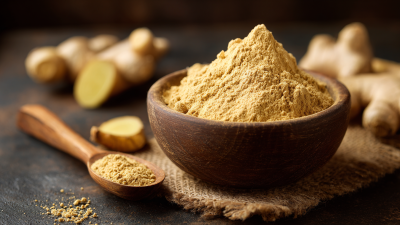
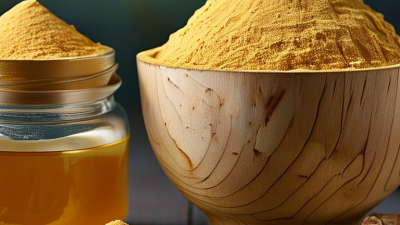
When you’re assessing ginger, look for a nice warm aroma and a consistent golden-beige color. If it clumps up, that might mean it’s absorbed some moisture—something to watch out for. If it's way too pale, it could mean the flavor is weak, but honestly, color alone can be misleading. Always ask for samples first before placing a big order—better safe than sorry. Find out how they package it internally, what kind of pallet protection they use, and how they ensure quality during ocean transit. And yeah, pricing is important too. The cheapest option might seem tempting but could end up costing more in the long run if the flavor’s off or it doesn’t pass testing.
Keep in mind, this guide is meant to help you get started—not to give you a final answer. Markets move, suppliers change, and you’ll need to do your own homework to verify everything. It’s all about staying sharp and doing your due diligence. After all, good ginger is worth the effort!
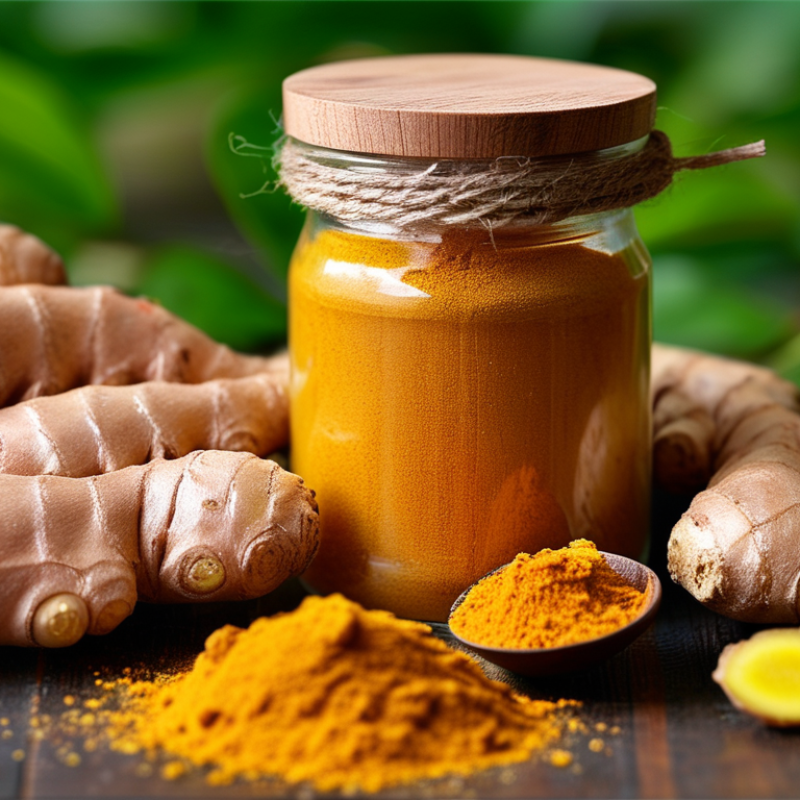
Ginger powder is a natural ingredient because it comes from a plant root, not a synthetic flavor system. Fresh ginger is cleaned, sliced, dried, and milled into a fine powder. Its warm aroma and sharp taste remain recognizable. That matters to food manufacturers seeking simpler ingredient lists. Color may range from pale beige to golden brown. Natural variation is normal.
For global buyers, quality begins before shipment. Experienced suppliers should identify the growing region, harvest period, drying method, and processing site. Organic Ginger Extract Powder should carry valid organic certification for the target market. A reliable supplier can also provide testing records for moisture, microbiological safety, pesticides, heavy metals, and foreign materials. Batch numbers should connect the product to farm and factory records. Traceability is not decorative paperwork.
Packaging protects the powder from humidity, heat, light, and strong odors during transport. Buyers should check the inner liner, sealing method, shelf-life data, and storage instructions. Samples can reveal clumping, uneven color, or a weak ginger scent. Natural does not mean perfectly consistent. That is easy to forget. Crop conditions change each year, and drying can affect pungency. Clear specifications help both sides manage those differences without making exaggerated claims.
Global buyers evaluating ginger powder suppliers need more than a polished catalog. I examine origin records, harvest dates, drying methods, and storage conditions. A supplier should provide a traceable lot number. Ask for a recent certificate of analysis, not a generic template. It should show moisture, mesh size, microbial counts, pesticide residues, and heavy metals. Keep samples from different lots. Variation matters.
Organic claims require careful verification. Request a valid organic certificate covering the actual product and processing site. Do not assume ginger powder equals Organic Ginger Root Extract; these are different products with different specifications. Experienced suppliers explain this distinction clearly. They should also describe sanitation controls, allergen handling, and foreign-material prevention. Factory audits, video inspections, and independent laboratory reports add practical confidence. Still, paperwork can age quickly. I once treated an old report as current evidence, which was a poor decision.
Commercial reliability is equally important. Check monthly capacity, lead times, minimum order quantities, packaging films, and export documents. A strong supplier discusses humidity protection, palletization, and temperature exposure during transit. Request a paid pre-shipment sample when the order is significant. Clear responses matter. Delayed answers may signal weak internal control, though not always. Price deserves context: unusually low offers can hide lower potency, mixed grades, or incomplete testing. Build a written specification with acceptance limits before signing. Leave room for corrective action, because even careful supply chains sometimes produce an imperfect batch.
China and India remain the leading ginger powder supplier regions for global buyers. FAOSTAT production data places both countries among the world’s largest ginger producers, with China and India together contributing more than half of recorded global output in recent years. China’s main strengths include Shandong and Yunnan. These regions offer large harvests, established drying facilities, and efficient processing networks. Shandong is particularly strong in sliced and milled ginger products.
India provides a different supply profile. Kerala, Karnataka, Assam, and Sikkim support diverse varieties, strong aroma, and high gingerol potential. USDA Foreign Agricultural Service reports describe India as a major ginger producer, with annual output exceeding one million metric tons in recent estimates. Smallholder farming remains important. This can create excellent flavor, but also uneven moisture levels and batch consistency.
Peru and Nigeria are emerging options, while Indonesia remains important in Asian supply chains. ITC Trade Map data for dried ginger indicates continued international demand, especially from food, beverage, and botanical ingredient manufacturers. Buyers should check mesh size, moisture, microbiological results, pesticide testing, and traceability records. Production statistics are not perfectly comparable across countries.
That is a weakness worth acknowledging. Fresh ginger figures also do not equal finished powder volume. Careful buyers should request recent laboratory reports and production samples before signing long-term contracts.
For global buyers, export-ready ginger powder begins with identity, not a polished sales sheet. Suppliers should provide the botanical name, plant part, origin, harvest season, and processing method. The powder should have a clean ginger aroma, warm flavor, and uniform color. Unusual dullness needs investigation. It may signal aging, poor drying, or blending.
Request a current certificate of analysis for every production lot. Check moisture, microbiological limits, pesticide residues, heavy metals, and foreign-matter controls against the destination market. Test results should identify methods, laboratory dates, and lot numbers. A traceable lot code must connect the sample, factory records, and shipping documents. Ask for mesh size and bulk density, since these affect filling accuracy and beverage dispersion. Food-grade packaging should resist humidity, light, and odor transfer. Desiccants help, but they cannot repair wet powder.
Experienced exporters explain allergen controls, sanitation routines, and recall procedures without vague promises. Sample approval should include a retained reference sample and a small pilot blend. This matters for instant drinks or black ginger extract for functional beverages. Do not assume “natural” means consistent. Ginger pungency and color can change between harvests. One weakness remains: paperwork may look complete while factory practices are only partly verified. A remote audit helps, but an independent inspection is stronger. Buyers should review storage conditions, pallet protection, and remaining shelf life before release.
2026 Best Natural Ginger Powder Suppliers for Global Buyers
Reliable sourcing starts with packaging that controls moisture, light, and contamination. Food-grade inner bags should sit inside strong, export-ready cartons. Vacuum packing can reduce air exposure, but it is not a complete solution. Weak seals may fail during humid port transfers. Small details matter.
Ask suppliers for batch numbers, production dates, moisture results, and recent microbiological test reports. A black ginger extract factory may use different processing controls, so buyers should confirm the product specification carefully. Storage areas should be clean, cool, dry, and well ventilated. Keep it dry. Avoid direct sunlight and strong odors. Use pallets to keep cartons away from floors and walls. Desiccants can help, although they cannot repair poor sealing.
International shipping needs practical planning. Choose containers with clean interiors and protection from rain during loading. Temperature and humidity data loggers are useful for long routes. Labels should show the product name, net weight, lot number, origin, and storage conditions. Shipping documents must match the actual cargo. A minor mismatch can delay clearance. No checklist catches every issue. In practice, even experienced suppliers may overlook carton compression or seasonal humidity. Buyers should inspect samples before booking large orders and review the packaging after arrival. Photographs, retention samples, and clear claims procedures improve accountability when damage occurs.
Packaging, Storage, and International Shipping Considerations
Typical shelf-life ranges vary by moisture level, oxygen exposure, packaging barrier, and storage conditions. Foil-laminated and vacuum-packed formats generally provide stronger protection against moisture and oxidation than standard kraft packaging. Store ginger powder in a cool, dry warehouse, preferably below 25°C and at relative humidity below 60%. Always confirm the supplier’s specification sheet, certificate of analysis, and shipping requirements before placing an international order.
Global buyers should compare ginger powder suppliers through landed cost, not the factory quote alone.
FAOSTAT recorded roughly 4.8 million tonnes of ginger production worldwide in 2022. That scale can create price differences, but origin, harvest timing, drying yield, and milling loss matter greatly.
Ask each supplier for the same specification: mesh size, moisture, volatile oil content, packaging weight, and delivery term. Then calculate product, freight, insurance, testing, and customs costs together. A cheaper offer may hide inconsistent particle size or higher moisture.
Use ITC Trade Map and UN Comtrade data under HS code 091012 to check import values and trade direction. These figures provide useful benchmarks, although they do not prove product quality.
I would request a recent certificate of analysis, pesticide results, microbiological testing, and heavy-metal screening. Check whether the documents match the actual batch number.
Small detail. It prevents expensive disputes.
Supplier service also deserves a score. Measure sample speed, response time, traceability, private-label flexibility, complaint handling, and production lead time.
Written corrective-action procedures show more maturity than polished sales language. Still, audits can miss seasonal problems.
Buyers should test repeat samples before signing annual contracts. The strongest supplier is not always the lowest-priced one; it is the one that keeps specifications stable when harvest conditions change.
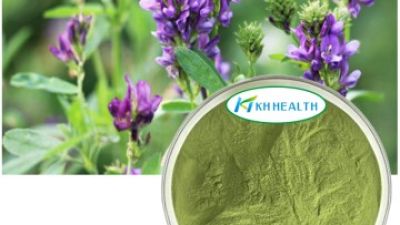
Organic Alfalfa Powder is made from the leaves of *Medicago sativa L.*, offering a convenient way to add a natural green ingredient to everyday recipes. Because it contains plant-based protein, dietary fiber, chlorophyll, and naturally occurring vitamins and minerals, it can complement a balanced diet. Its mild herbal flavor works well in smoothies, juices, soups, sauces, energy bites, and baked foods. The powder may also be used as an ingredient in nutrition blends and other formulated products, depending on local requirements and intended use.
A quality product should have a clear botanical source, consistent processing, and suitable storage conditions. This alfalfa powder is produced by drying and grinding the leaves into a fine, vibrant green powder, with an 80–120 mesh size that can be customized for different applications. USDA Organic certification and EU Organic certification are available upon request. When choosing a supplier, buyers should also consider ingredient traceability, appearance, particle size, packaging, and shelf life. Properly sealed and kept in a cool, dry environment, the product has a 24-month shelf life.
For bulk purchasing, the standard minimum order quantity is 25 kg, packed in a paper drum. Custom packaging, OEM options, and smaller trial orders are available, making it suitable for product development, food manufacturing, and private-label preparation.
It should state the botanical name, plant part, origin, harvest season, and processing method. Color should look even. The aroma should be clean and warm.
Request a current certificate of analysis for each production lot. It should cover moisture, microbiological limits, pesticide residues, heavy metals, and foreign matter. Check laboratory dates and lot numbers carefully.
A lot code should connect the sample, factory records, and shipping documents. This helps investigate problems quickly. Paperwork can still look complete while practices remain partly unverified.
Mesh size affects texture and filling accuracy. Bulk density affects how much powder fits into each package. These details also influence beverage dispersion.
Use food-grade inner bags inside strong export cartons. Packaging should resist humidity, light, and odor transfer. Vacuum packing helps, but weak seals can still fail.
Keep it in a cool, dry, clean, well-ventilated area. Use pallets under the cartons. Keep cartons away from walls, floors, sunlight, and strong odors. Keep it dry.
Confirm clean containers, rain protection during loading, matching labels, and accurate shipping documents. Useful labels include product name, net weight, lot number, origin, and storage conditions.
Compare landed cost, not only the factory quote. Include freight, insurance, testing, customs costs, packaging, and delivery terms. A cheaper offer may hide higher moisture or uneven particles.
Review sample speed, response time, traceability, complaint handling, and production lead time. Use a retained sample and a small pilot blend. Repeat testing matters. One approved sample is not enough.
Review storage areas, pallet protection, remaining shelf life, and seasonal conditions. Remote audits help. Independent inspection is stronger, though never perfect. No checklist catches everything.
This guide explains why Natural Ginger Powder is a valuable ingredient for global trade, offering a convenient, shelf-stable form of ginger for food, beverage, spice, and wellness applications. It outlines the main factors buyers should consider when evaluating suppliers, including cultivation practices, processing methods, product consistency, traceability, production capacity, and export experience. It also compares major sourcing regions by their agricultural strengths, climate, processing capabilities, and ability to support reliable international supply.
For export-ready purchasing, buyers should review quality standards such as moisture content, purity, microbiological safety, pesticide control, and batch testing. The guide also covers suitable packaging, storage conditions, shelf-life protection, and shipping arrangements that help preserve product quality across long distances. Finally, it presents a practical approach to comparing supplier prices and services by assessing minimum order quantities, customization options, documentation, lead times, communication, and after-sales support. This enables global buyers to select dependable suppliers based on overall value rather than price alone.