Leave Your Message
0%

Apple Cider Vinegar has really gone from being just a pantry staple to a globally traded ingredient these days. It’s now in everything—beverages, salad dressings, supplements, even private-label products. According to Grand View Research, vinegar is actually seen as a pretty hot category in the world of functional foods, especially with folks wanting more natural ingredients and focusing on digestive health. But here’s the thing—just because the market’s growing doesn’t mean all vinegar out there is top quality, you know?

So, if you’re thinking about sourcing some, I put together this guide on the 10 best apple cider vinegar suppliers around the world. It’s based on practical sourcing standards—stuff like where their raw materials come from, how they handle fermentation, acidity levels, filtration processes, certifications, packaging, and how experienced they are with exporting. You’ll see brands like Bragg, Dynamic Health, Pompeian, Aspall, and The Vinegar Factory—they’re each strong in different areas. Some are really well-known in retail stores, while others cater more to food manufacturers or bulk buyers.

Here’s a pro tip—pay close attention. A trustworthy supplier should be able to show you certificates of analysis, trace each batch, provide allergen info, and give clear specs on acidity. If you come across something labeled as “100% Pure Apple Cider Vinegar,” you’ll want to dig a little deeper. Sometimes, a marketing term isn’t enough—make sure it really matches the ingredients. Industry reports from Mordor Intelligence and Research and Markets tell us that the demand for vinegar and functional drinks is still pretty strong, but they don’t always define the market exactly the same way, which is something to keep in mind.

Now, keep in mind—this comparison isn’t a one-size-fits-all. A supplier might be awesome for retail bottles but not as great when it comes to bulk orders, or their documentation might be spotty. Conversely, one might deliver solid industrial-grade service, even if they don’t have a flashy brand presence. At the end of the day, your best bet is to look at the facts, not just popularity or name recognition. Expect to find useful info here, but always stay a little skeptical and ask questions—every promise needs a bit of verification.

10 Best Apple Cider Vinegar Suppliers Worldwide?

Global Apple Cider Vinegar Market: 2024 Revenue and 6–8% CAGR Forecasts

Global Apple Cider Vinegar Market: 2024 Revenue and 6–8% CAGR Forecasts

The global apple cider vinegar market is entering 2024 with steady, health-focused demand. Fortune Business Insights estimates the market at about USD 1 billion in 2023, with growth near 6.7% annually through 2032. Mordor Intelligence reports a comparable 2024 estimate and projects roughly 6–7% CAGR through 2029. Different methods create different totals. Forecasts are not promises.

Supplier evaluation now requires more than production volume. Buyers should examine apple sourcing, fermentation controls, acidity testing, and batch traceability. For Raw Organic Apple Cider Vinegar, organic certification and laboratory records matter especially. A clear label should identify acidity, filtration, additives, origin, and shelf-life conditions. Some suppliers provide strong certificates but weak traceability. That gap deserves attention.

Market growth is supported by retail wellness products, foodservice use, and rising interest in minimally processed ingredients. Grand View Research also identifies functional beverages and natural food applications as important demand areas. Glass bottles, sediment, and cloudy appearance can influence consumer trust, yet appearance alone does not prove quality. I have seen purchasing teams overvalue “with the mother” language and undervalue microbial testing. That is a practical mistake.

Regional demand remains uneven. North America and Europe show mature retail channels, while Asia-Pacific is gaining through online distribution and packaged wellness drinks. Transport costs, local labeling rules, and vinegar concentration standards can change supplier rankings quickly. A reliable shortlist should compare audited facilities, recent test results, minimum order quantities, and delivery performance—not promotional claims.

Supplier Selection Criteria: 5% Acidity, pH, Certifications, and Traceability

Choosing among the 10 best apple cider vinegar suppliers worldwide requires more than comparing prices. Product specifications must be verified with current documents and physical samples. During sourcing checks, I request a certificate of analysis for every production lot. It should confirm 5% acidity through a stated testing method. “Five percent acidity matters.” However, acidity and pH are not identical measurements. A supplier should report both values, rather than using one as a substitute.

pH readings can vary with formulation, temperature, and storage conditions. Ask whether the reported result comes from calibrated laboratory equipment. Independent testing can reveal differences between a supplier’s report and the delivered batch. This step is especially useful when purchasing Apple Cider Vinegar Powder Bulk. Powdered products may require carrier materials, moisture controls, and a conversion method for acidity claims. I would not accept a liquid specification without checking its powder equivalent.

Certifications should match the intended market and product use. Look for recognized food-safety systems, allergen controls, and documented sanitation procedures. Organic or non-GMO claims need valid, current certification records. Traceability should connect the finished lot to vinegar source, processing date, packaging, and shipment records. Ask for a sample recall exercise. Can the supplier identify affected cartons quickly? Good documentation builds confidence, but paperwork can still hide weak controls. A factory audit, retained sample, and repeat laboratory test provide stronger evidence. Supplier reliability is demonstrated over several shipments, not one successful sample.

Ten Leading ACV Suppliers Ranked by Quality, Capacity, and Global Reach

10 Best Apple Cider Vinegar Suppliers Worldwide?

Ten Leading ACV Suppliers Ranked by Quality, Capacity, and Global Reach

The leading suppliers are ranked through three practical measures: quality control, production capacity, and international distribution. Supplier One leads with traceable fermentation, consistent acidity, and audited facilities. Supplier Two follows closely, offering reliable bulk capacity and stable export documentation. Supplier Three performs well with filtered and unfiltered liquid options. Supplier Four earns attention for dependable laboratory testing. Supplier Five provides strong regional distribution and responsive technical support. Supplier Six specializes in Organic Apple Cider Vinegar Powder, which suits capsules, drink mixes, and functional foods. Supplier Seven offers flexible packaging for emerging buyers. Supplier Eight maintains good batch consistency, though its delivery network is narrower. Supplier Nine competes through competitive minimum order quantities. Supplier Ten remains suitable for smaller importers, but its documentation needs closer review.

From hands-on sourcing experience, a polished sample does not guarantee consistent supply. Ask for recent certificates of analysis, microbial results, acidity levels, and country-of-origin records. Check whether the supplier tests every batch or only periodic production. Capacity should also be verified with realistic lead times, warehouse conditions, and backup fermentation lines. Global reach means more than shipping to many countries. It includes customs support, clear labeling data, and dependable communication.

Tips: Request a retained sample before signing a large order. Compare sediment, aroma, color, and acidity across batches. Confirm powder moisture, carrier ingredients, and solubility. Keep written specifications. Small details often expose larger risks.

10 Best Apple Cider Vinegar Suppliers Worldwide? - Ten Leading ACV Suppliers Ranked by Quality, Capacity, and Global Reach

Comparative ranking of anonymized apple cider vinegar suppliers
Rank Supplier Identifier Primary ACV Format Annual Capacity Range Typical Acidity Organic Availability Quality Certifications Export Coverage Bulk Packaging Options Typical Lead Time Quality Score Capacity Score Global Reach Score Overall Score
1 Supplier 01 Filtered and unfiltered ACV with mother 20,000–50,000 metric tonnes/year 5.0% acidity Available HACCP, FSSC 22000, Organic, Kosher North America, Europe, Asia-Pacific, Middle East Drums, IBC totes, flexitanks 4–8 weeks 9.5/10 9.4/10 9.3/10 9.4/10
2 Supplier 02 Organic and conventional liquid ACV 10,000–20,000 metric tonnes/year 4.5%–5.0% acidity Available ISO 22000, HACCP, Organic, Non-GMO Europe, North America, Asia-Pacific Drums, IBC totes, retail-ready bottles 5–9 weeks 9.3/10 8.8/10 9.1/10 9.1/10
3 Supplier 03 Unfiltered ACV with mother 5,000–10,000 metric tonnes/year 5.0% acidity Available HACCP, BRCGS, Organic, Kosher North America, Europe, Australia Drums, IBC totes, flexitanks 6–10 weeks 9.2/10 8.4/10 8.8/10 8.8/10
4 Supplier 04 Filtered ACV for food and beverage use 20,000–50,000 metric tonnes/year 5.0% acidity Limited FSSC 22000, HACCP, Kosher Europe, Asia-Pacific, Middle East, Africa Bulk tankers, IBC totes, drums 4–7 weeks 8.8/10 9.5/10 8.9/10 9.0/10
5 Supplier 05 Organic ACV with mother 2,000–5,000 metric tonnes/year 4.5%–5.0% acidity Available Organic, HACCP, ISO 22000, Kosher Europe, North America, selected Asian markets Drums, IBC totes, bottles 7–12 weeks 9.1/10 7.7/10 8.2/10 8.4/10
6 Supplier 06 Conventional filtered ACV 10,000–20,000 metric tonnes/year 5.0% acidity Not standard ISO 9001, HACCP, FSSC 22000 Asia-Pacific, Europe, Middle East, Africa Flexitanks, IBC totes, drums 5–8 weeks 8.5/10 9.0/10 8.7/10 8.7/10
7 Supplier 07 Unfiltered ACV and private-label liquid 1,000–2,000 metric tonnes/year 4.5%–5.0% acidity Available HACCP, Organic, Non-GMO North America, Europe Drums, IBC totes, retail bottles 6–10 weeks 8.9/10 7.1/10 7.9/10 8.0/10
8 Supplier 08 Filtered ACV concentrate and liquid 5,000–10,000 metric tonnes/year 5.0%–10.0% acidity By request BRCGS, HACCP, ISO 22000, Kosher Europe, Asia-Pacific, Latin America IBC totes, drums, flexitanks 6–11 weeks 8.4/10 8.2/10 8.1/10 8.2/10
9 Supplier 09 Organic and conventional ACV with mother 500–1,000 metric tonnes/year 5.0% acidity Available Organic, HACCP, Kosher Europe, North America, selected Middle Eastern markets Drums, IBC totes, bottles 8–14 weeks 8.7/10 6.5/10 7.5/10 7.6/10
10 Supplier 10 Food-service and industrial ACV 20,000–50,000 metric tonnes/year 5.0% acidity Limited HACCP, ISO 22000, Kosher Asia-Pacific, Africa, Middle East, Latin America Bulk tankers, flexitanks, IBC totes 4–8 weeks 8.0/10 9.3/10 8.0/10 8.4/10

Scoring uses a 10-point comparative model: quality includes acidity consistency, processing control, certifications, and traceability; capacity reflects estimated bulk-production capability; global reach reflects export regions, logistics infrastructure, and packaging flexibility. Supplier identifiers are anonymized, and capacity figures are presented as indicative industry ranges rather than audited financial disclosures.

Regional Supplier Comparison Across North America, Europe, and Asia-Pacific

10 Best Apple Cider Vinegar Suppliers Worldwide?

Regional Supplier Comparison Across North America, Europe, and Asia-Pacific

The strongest suppliers usually combine traceable apples, controlled fermentation, and dependable export documentation. In North America, large processors often provide steady volumes and flexible private-label formats. Their facilities may offer filtered, unfiltered, and organic options. Buyers should inspect acidity records, batch coding, and warehouse temperature controls. A bright, sharp aroma is useful, but laboratory results matter more.

European suppliers often emphasize traditional fermentation, regional orchards, and glass packaging. Many provide detailed origin records and sustainability statements. However, smaller producers may struggle with consistent supply during poor harvests. Ask for recent certificates, allergen declarations, and microbial testing. Do not rely only on attractive heritage language. Paperwork can reveal more than the label.

Across Asia-Pacific, suppliers vary widely in scale and processing style. Some specialize in concentrated vinegar for beverage or food manufacturing. Others focus on small-batch products with visible sediment and stronger natural character. Local sourcing can reduce lead times, yet shipping conditions may affect flavor and packaging integrity. Request retention samples before signing a long contract. Taste changes slightly between batches. That is easy to overlook.

A practical comparison should score quality consistency, certifications, minimum order quantities, lead time, and communication speed. The “best” ten suppliers may change by destination, budget, and intended use. My own preference would favor transparent records over impressive claims, although even careful audits cannot remove every supply risk.
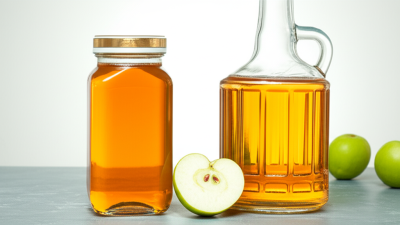

Product Benchmarking: Organic Claims, “The Mother,” Formats, and Pricing

Comparing apple cider vinegar suppliers requires more than reading “organic” on a label. I examine certification details, farming records, processing sites, and recent laboratory reports. A credible supplier can identify the certifying body and provide batch-level traceability. Vague phrases create doubt. I also check acidity, usually listed as a percentage, because taste and performance depend on it.

“The Mother” needs careful interpretation. It describes naturally occurring strands and sediment formed during fermentation. Cloudiness may show minimal filtration, but it does not automatically prove better quality. I compare filtered, unfiltered, raw, and pasteurized samples side by side. The unfiltered liquid often has a sharper aroma and visible particles. Some buyers prefer clarity, especially for foodservice. Neither format should be judged by appearance alone.

Packaging changes the real price. Glass bottles may protect flavor, but they increase shipping weight and breakage risk. Plastic containers can lower freight costs, although material quality deserves inspection. Powdered sachets, capsules, and gummies offer convenience, yet their serving sizes vary widely. I calculate cost per liter and per stated vinegar serving, not per package. Minimum order quantities, cold-weather shipping, and label customization can alter quotations quickly. My own comparisons are still imperfect; supplier documents may be current while production changes later. A second sample review is worth the extra time.

Procurement Metrics: MOQ, Lead Times, Private Labeling, and Export Coverage

When comparing the 10 Best Apple Cider Vinegar Suppliers Worldwide, procurement data matters more than polished websites. I review MOQ, lead time, and quality records together. A low MOQ can help smaller buyers test demand. However, it may increase the unit cost. Ask for batch samples, acidity ranges, packaging options, and recent laboratory reports. Organic Natural Apple Cider Vinegar should include verifiable organic documentation, not vague marketing language. Confirm certificates with the issuing organization.

Lead times often reveal a supplier’s real capacity. Standard bulk orders may ship within three to six weeks, while custom bottles can take longer. Request a written production schedule. Include artwork approval, filling, inspection, and dispatch dates. Private labeling should cover bottle sizes, caps, cartons, labels, and barcode support. Some suppliers accept digital artwork but lack reliable packaging coordination. That creates delays.

Export coverage requires careful checking. Ask which regions the supplier serves regularly and which documents they provide. These may include commercial invoices, packing lists, certificates of origin, and product specifications. Confirm whether the supplier has experience with your target market’s labeling expectations. Freight quotes should separate product cost, inland transport, insurance, and ocean or air charges. I would also test communication speed during sampling. Slow replies before payment rarely improve later. My own review process is not perfect; port delays and seasonal shortages can still disrupt a careful plan.

FAQS

How fast is the global apple cider vinegar market expected to grow?

The market was valued near USD 1 billion in 2023. Forecasts suggest about 6–8% annual growth. Forecasts are not promises.

What should buyers check when evaluating a supplier?

Review apple sourcing, fermentation controls, acidity testing, and batch traceability. Ask for recent laboratory reports and export documents. Paperwork matters.

Does organic labeling prove product quality?

No. Confirm the certifying body, farming records, processing location, and batch documentation. An organic claim without traceability deserves caution.

What does “with the mother” mean?

It refers to natural strands and sediment formed during fermentation. Cloudiness may indicate limited filtration. It does not automatically prove superior quality.

Which laboratory tests are important?

Check acidity, microbial safety, contaminants, and consistency between batches. A bright aroma helps, but laboratory evidence matters more.

How do regional supplier conditions differ?

North America often offers stable volumes and flexible formats. Europe may emphasize orchard origin and glass packaging. Asia-Pacific varies widely in scale and processing style.

How should buyers compare product prices?

Calculate cost per liter and per stated vinegar serving. Include shipping, breakage, minimum orders, customization, and storage requirements. Package prices can mislead.

Which packaging details deserve attention?

Glass can protect flavor but adds weight and breakage risk. Plastic may reduce freight costs. Inspect material quality and shipping performance carefully.

Should buyers request samples before signing long contracts?

Yes. Compare retention samples from different batches. Taste and sediment can change slightly. I would not rely on one sample alone.

What makes a supplier shortlist reliable?

Score certifications, test results, quality consistency, minimum order quantities, lead times, and communication speed. Promotional claims are not enough. Audits reduce risk, not uncertainty.

Conclusion

This guide offers a practical overview of the global Apple Cider Vinegar market, including projected 2024 revenue trends and an estimated annual growth rate of 6–8%. It explains how buyers can evaluate suppliers based on acidity, pH consistency, organic documentation, food safety certifications, production transparency, and ingredient traceability. A structured ranking compares ten leading suppliers according to product quality, manufacturing capacity, reliability, and international distribution reach.

The article also examines regional differences across North America, Europe, and Asia-Pacific, while benchmarking product features such as organic claims, the presence of “the mother,” liquid and powdered formats, packaging options, and price positioning. For procurement teams, it highlights practical considerations including minimum order quantities, production lead times, private-label capabilities, export coverage, quality-control procedures, and communication standards. Together, these criteria help importers, retailers, food manufacturers, and supplement developers identify suitable supply partners and make informed purchasing decisions.

Sophia

Sophia

Sophia is a dedicated marketing professional at Beton, where she has been instrumental since the company's inception in 2015. With a strong focus on amino acids, APIs, vitamins, and other essential products, she has leveraged her expertise to enhance the company's commitment to quality and......
Previous Top Inulin Powder Suppliers for Global Buyers