Leave Your Message
0%

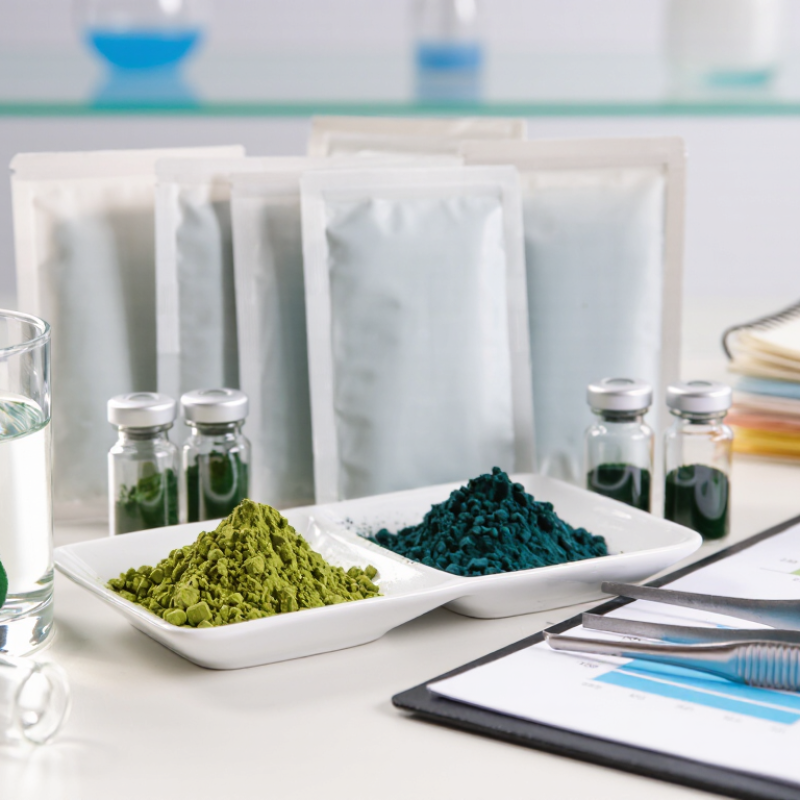
When it comes to choosing the best Chlorella and Spirulina Powder suppliers for 2026, don’t just be dazzled by bright colors or slick packaging. Seriously, those might look appealing, but what really matters is the evidence behind the product. A trustworthy supplier will readily share details like the species, where it was grown, when it was harvested, and how it was processed. Plus, they should have up-to-date batch-specific test reports covering heavy metals, microbial counts, pesticides, and possible toxins like microcystins.

Don’t overlook the little things either. Check if the packaging is sealed tight and resistant to light—this helps keep the powder fresh. Also, test how well it dissolves in cold water. If it turns into clumps or has a strong marine smell, that might be a red flag, though tasting alone isn’t enough to judge quality. Be cautious of glossy claims from suppliers—what really counts are the official documents and test results.

As nutrition expert Dr. Michael Greger often says, “The best diet is one that maximizes plant food intake.” This idea should guide how we view Chlorella and Spirulina Powder. They can be a nice supplement to a balanced diet, but they’re not some magic cure or substitute for medical treatment. Instead, focus on the actual nutritional data—don’t just chase protein percentages or get swayed by a green vibe.

If you're a business looking to source Chlorella and Spirulina Powder, pay close attention to traceability. Ask whether the supplier controls the entire cultivation process or if they’re just buying from unknown brokers. Make sure you check allergen info, country of origin, storage practices, and whether independent labs verify their claims. Organic certification can be a bonus, but it doesn’t automatically mean the product is free from contamination.

You’ll also notice that some supplier websites still lack comprehensive info—that’s often a sign to be cautious. A good review in 2026 should acknowledge what’s uncertain, compare info from transparent manufacturers, and explain where the evidence is still limited. That way, buyers can make smarter, more credible decisions and avoid falling for superficial claims.

2026 Best Chlorella Spirulina Powder Suppliers

Chlorella vs. Spirulina: Comparing 45–60% and 55–70% Protein Content

When evaluating 2026 chlorella and spirulina powder suppliers, protein content deserves careful attention. Chlorella commonly provides about 45–60% protein by dry weight. Spirulina often reaches 55–70%, depending on species, cultivation conditions, harvesting, and processing. The numbers move.

These percentages are not always directly comparable. Some suppliers test dried material, while others report results after different moisture corrections. A reliable supplier should provide a recent certificate of analysis, showing protein method, moisture, microbiological results, and contaminant screening. I have found that attractive figures can lose meaning when the testing basis remains unclear. That is an easy mistake to make.

Organic Chlorella Spirulina Powder should also carry verifiable organic documentation for its production region. Look for batch identification, traceable cultivation records, sealed packaging, and storage guidance. Chlorella’s deeper green color and firmer texture may reflect its cellular structure, while spirulina usually disperses more smoothly in water. Taste matters too. A sharp marine odor can suggest oxidation or poor storage, although sensory checks cannot replace laboratory testing. Suppliers serving professional buyers should explain harvest dates and sampling procedures without vague promises. Protein is important, but it does not describe amino-acid balance, digestibility, freshness, or mineral safety. The comparison remains useful, but only when the label and laboratory evidence match.

2026 Best Chlorella Spirulina Powder Suppliers - Chlorella vs. Spirulina: Comparing 45–60% and 55–70% Protein Content

A practical specification guide for evaluating bulk chlorella and spirulina powder suppliers without relying on company or brand comparisons.

Evaluation Dimension Chlorella Powder Spirulina Powder Supplier Verification Point
Scientific classification Freshwater green microalga, commonly associated with the genus Chlorella. Photosynthetic cyanobacterium, commonly supplied as Arthrospira platensis or Arthrospira maxima. Request the exact species or strain listed on the technical data sheet.
Typical protein content 45–60% of dry weight 55–70% of dry weight Confirm the analytical method, moisture basis, and minimum guaranteed value.
Protein quality Contains all essential amino acids, with the final profile affected by cultivation and processing conditions. Contains all essential amino acids and is generally recognized as a high-protein microalgal ingredient. Ask for a complete amino-acid profile rather than protein percentage alone.
Dominant natural pigments Chlorophyll a and chlorophyll b contribute to its green color. Phycocyanin is a characteristic blue pigment; chlorophyll a and carotenoids are also present. Require pigment specifications and a description of light, heat, and oxygen protection.
Color and appearance Usually deep green to green powder with a characteristic marine or grassy aroma. Usually blue-green to dark green powder with a characteristic algae-like aroma. Define acceptable color, odor, mesh size, and foreign-matter limits before purchase.
Cell-wall characteristics Has a relatively robust cell wall; broken-cell-wall or mechanically disrupted grades may improve digestibility. Does not have the same rigid cellulose-like cell wall structure as chlorella and is commonly supplied as a readily dispersible powder. For chlorella, verify whether the product is broken-cell-wall, cracked-cell, or whole-cell.
Vitamin B12 consideration Some chlorella products may provide biologically active vitamin B12, but the level varies and must be verified by testing. Spirulina may contain B12-like compounds that are not considered a dependable source of active vitamin B12. Do not make a B12 claim without validated test results and applicable regulatory support.
Fat profile Generally low in total fat, with lipid levels varying by strain and cultivation conditions. Generally low in total fat and may contain small amounts of essential fatty acids. Request total fat, fatty-acid profile, and oxidation indicators when the powder is used in supplements.
Common product formats Whole-cell powder, broken-cell-wall powder, tablets, capsules, and blended ingredients. Standard powder, high-phycocyanin powder, tablets, capsules, and blended ingredients. Confirm whether additives, carriers, anti-caking agents, or processing aids are present.
Typical applications Dietary supplements, smoothies, functional foods, green powders, and nutrition blends. Dietary supplements, protein blends, sports nutrition, beverages, and natural-color applications. Match the grade to the intended use, flavor profile, color requirement, and local regulations.
Microbiological controls Should be tested for total plate count, yeast and mold, pathogens, and indicator organisms. Should be tested for total plate count, yeast and mold, pathogens, and indicator organisms. Request a batch-specific certificate of analysis with limits based on the destination market.
Contaminant controls Testing should cover heavy metals, pesticide residues, mycotoxins where relevant, and other region-specific contaminants. Testing should cover heavy metals, pesticide residues, mycotoxins where relevant, and other region-specific contaminants. Check lead, arsenic, cadmium, mercury, pesticides, and any contaminants associated with the cultivation water.
Cultivation-water requirement Water quality is important because the biomass can accumulate undesirable elements from the growth environment. Water quality and controlled cultivation conditions are important for minimizing contamination risks. Request water-quality controls, environmental monitoring records, and traceability information.
Moisture and storage Low moisture and protection from light, heat, oxygen, and humidity help preserve color and quality. Low moisture and protection from light, heat, oxygen, and humidity help preserve pigments and flavor. Specify moisture maximum, packaging barrier properties, storage temperature, and shelf-life conditions.
Recommended supplier documents Technical data sheet, batch certificate of analysis, allergen statement, origin statement, and stability information. Technical data sheet, batch certificate of analysis, pigment data, allergen statement, and origin statement. Prefer suppliers able to provide traceability from cultivation through drying, milling, packing, and shipment.
Best-fit selection Choose when a green ingredient, chlorella-specific format, or broken-cell-wall option is required. Choose when higher typical protein content, blue-green color, or phycocyanin is a priority. Base the final decision on verified specifications, regulatory compliance, batch consistency, and total landed cost.

Data note: Protein values are typical industry ranges expressed on a dry-weight basis. Actual results vary by species or strain, cultivation conditions, harvest stage, drying method, moisture content, and analytical method. Always use a current, batch-specific certificate of analysis for purchasing decisions.

Supplier Qualification: GMP, HACCP, ISO 22000, and Full-Traceability Records

A reliable 2026 chlorella or spirulina powder supplier should provide more than an attractive certificate. GMP verifies controlled manufacturing practices, while HACCP shows that biological, chemical, and physical hazards are assessed. ISO 22000 adds a documented food-safety management system. These standards are related, but they are not interchangeable. Certificates are not enough.

The WHO estimates that unsafe food causes 600 million illnesses and 420,000 deaths each year. This makes supplier verification practical, not decorative. Request the certificate number, audit date, scope, issuing body, and corrective-action history. Check whether the certificate covers algae cultivation, drying, milling, and packing. A certificate covering only a warehouse may reveal an important gap.

Full traceability should follow each lot from cultivation pond to final shipment. Records should identify harvest dates, drying temperatures, processing equipment, operators, laboratory results, and packaging materials. Ask for batch-specific tests covering microbes, heavy metals, moisture, and contaminants relevant to local conditions. The FDA Food Traceability Final Rule also emphasizes key data elements and critical tracking events. The weak point? Many suppliers provide polished documents but incomplete batch records. A site audit, retained sample, and realistic mock recall can expose that weakness. Some smaller suppliers may struggle with digital records, yet honest gaps are easier to correct than unclear origin data.

Purity Testing: COAs for Heavy Metals, Microcystins, Pesticides, and Microbiology

Choosing the best chlorella and spirulina powder suppliers in 2026 requires more than checking price or color. A current, batch-specific Certificate of Analysis (COA) should identify the lot number, production date, test date, laboratory, methods, units, and detection limits. A clean-looking PDF is not proof of quality. Traceability matters.

For heavy metals, request measured results for lead, cadmium, mercury, and arsenic. Arsenic speciation adds useful detail because total arsenic does not show the complete risk profile. Microcystin testing is essential for algae powders, especially products grown in open-water systems. The COA should name the tested microcystin method and report actual values, not only “pass.” Independent testing from an ISO/IEC 17025-accredited laboratory strengthens supplier credibility.

Pesticide screening should cover multiple residue groups and include limits of quantification. Microbiological testing should report total plate count, yeast and mold, coliforms, and relevant pathogens such as Salmonella. Storage conditions also deserve attention. Heat, moisture, and damaged seals can change results after testing. Ask for sealed retention samples when possible. One limitation remains: even a strong COA represents one batch, not every future shipment. Suppliers should provide consistent records, corrective-action details, and recent testing history. That small gap is easy to overlook.

Chlorella Cell-Wall Processing: Evaluating Digestibility and Bioavailability Claims

Chlorella cell-wall processing deserves careful attention when comparing Spirulina Wheatgrass Chlorella Powder suppliers. Chlorella’s rigid polysaccharide wall can limit nutrient release during digestion. Peer-reviewed studies in Algal Research report wide differences in protein digestibility, often depending on grinding, pressure treatment, and fermentation. Some experiments show improved amino-acid release after wall disruption, but results remain highly method-dependent.

Bioavailability is not the same as nutrient content. USDA FoodData Central can help verify listed nutrients, while laboratory digestibility tests provide only controlled estimates. A 2023 review in Foods noted that processing may improve access to proteins, pigments, and minerals, yet excessive heat can damage sensitive compounds. That trade-off matters. A powder with a “broken cell wall” claim still needs testing details, processing temperature, and independent verification. Marketing language is often stronger than the evidence.

Tips: Ask for a certificate of analysis, method description, and batch-specific microbiological results. Check whether digestibility data came from human trials or test-tube studies. Look for transparent protein values, not vague “high absorption” promises. In practice, texture also offers clues: finely milled powder disperses more evenly, but smooth mixing does not prove better absorption. Claims should remain modest.

Organic Certification: Comparing USDA, EU Organic, and Sustainable Cultivation Standards

When selecting 2026 chlorella and spirulina powder suppliers, organic certification deserves close attention. USDA Organic and EU Organic certifications follow different regulatory systems. Their logos are not interchangeable. A supplier should provide a current certificate, certification scope, facility details, and product-specific records. Paperwork is not proof.

For Organic Spirulina And Chlorella Powder, verify whether both algae are covered by the same certificate. Some certificates cover only one ingredient, one processing site, or a limited product category. Reliable suppliers can also provide batch test reports for heavy metals, pesticides, microbes, moisture, and identity. These documents should match the lot number printed on the packaging. Details matter.

Sustainable cultivation is broader than organic status. Ask how the farm manages water use, nutrient inputs, energy consumption, wastewater, and nearby ecosystems. Closed-loop water systems and careful harvesting can reduce pressure on local resources. However, “sustainably grown” may describe an internal claim rather than an audited standard. This is where supplier comparisons become less comfortable. A certified organic product may still disclose limited environmental data. Conversely, a farm with strong conservation practices may lack an internationally recognized organic certificate. Buyers should examine both systems, request evidence, and record unanswered questions before placing large orders. The best assessment is rarely perfect.

2026 Supplier Comparison: MOQ, Lead Times, Certifications, and Batch Pricing

Choosing reliable Chlorella Spirulina Powder suppliers in 2026 requires more than comparing price per kilogram. Many exporters quote MOQs between 25 and 100 kilograms, while larger factories may request one metric ton. Confirm whether the MOQ applies to stock, custom packaging, or a private formula. Standard lead times often range from two to six weeks. Seasonal harvesting can extend delivery, so ask for a written production schedule.

Tips: Request a recent COA, not a blank template. Check protein content, moisture, microbiological limits, heavy metals, pesticides, and batch number. Certifications such as HACCP, GMP, ISO 22000, and valid organic documentation should match the actual production site. Verify issuing bodies when possible.

Batch pricing should show product cost, packaging, testing, freight terms, and payment conditions separately. A lower price may hide higher testing or transport fees. I have learned that sample quality can differ from bulk production. Ask for a retained sample and a pre-shipment report. Keep approval records. A supplier that answers slowly may still produce good powder, but unclear replies create costly delays. Lead time promises should include testing and customs documents, not only manufacturing days. Recheck every certificate before signing.

2026 Best Chlorella Spirulina Powder Suppliers

2026 Supplier Comparison: MOQ, Lead Times, Certifications, and Batch Pricing

This anonymized market benchmark compares representative bulk-sourcing profiles for chlorella and spirulina powder. MOQ is shown in kilograms, lead time in days, batch pricing is estimated in USD per kilogram for a standard bulk order, and certification count refers to commonly requested credentials such as GMP, HACCP, ISO 22000, and organic certification. Actual quotations may vary by origin, specification, testing requirements, packaging, and order volume.

Global Compliance: FDA 21 CFR Part 111 and EU Regulation 2015/2283 Requirements

2026 Best Chlorella Spirulina Powder Suppliers

Reliable chlorella and spirulina suppliers should treat compliance as a daily production practice, not a sales statement. Under FDA 21 CFR Part 111, dietary supplement manufacturers need written specifications, controlled procedures, qualified personnel, and complete batch records. They must verify identity, purity, strength, composition, and contaminant limits before release. FDA does not pre-approve supplements, so supplier evidence requires careful review. Records matter.

A capable supplier should provide strain identity, cultivation location, harvest dates, processing details, and lot-specific test results. Testing should address heavy metals, microbial contamination, pesticides, and relevant algal toxins. A certificate of analysis can look complete while missing method details or laboratory accreditation. That gap matters. I would request original laboratory reports, retention-sample procedures, and traceability from pond to packed powder. Good suppliers answer specific questions without vague promises.

EU Regulation 2015/2283 requires a novel food assessment when a product or use lacks a significant history of consumption before 15 May 1997. This requirement depends on the organism, strain, preparation, and intended use. Chlorella and spirulina are not automatically covered by one universal compliance route. Suppliers should document EU market history, applicable authorization status, specifications, and labeling support. They should also explain whether the powder is sold as food, a supplement, or an ingredient. Regulatory interpretation can change. A careful review by a qualified European specialist remains worthwhile.

FAQS

How much protein do chlorella and spirulina powders usually contain?

Chlorella generally contains 45–60% protein by dry weight. Spirulina often contains 55–70%. Results vary with species, cultivation, harvesting, and processing. The numbers move.

Why can protein percentages be difficult to compare?

Suppliers may use different moisture corrections or testing methods. One report may describe dried material differently from another. Request the test method and moisture result. Attractive figures can mislead.

What should a recent certificate of analysis include?

It should show protein, moisture, microbiological results, and contaminant screening. The report should match the specific batch number. Check the sampling date and laboratory details. Paperwork can still have gaps.

How can buyers verify supplier traceability?

Traceability should connect each lot with cultivation ponds, harvest dates, drying, milling, and packaging. Ask for equipment records and retained samples. A mock recall can test the system. It may reveal weak links.

Which manufacturing standards are useful during supplier qualification?

GMP, HACCP, and ISO 22000 indicate different control systems. They are related, but not interchangeable. Check the certificate scope, audit date, issuing body, and corrective actions. Certificates alone are not enough.

What should buyers check for organic powder documentation?

Request a current certificate, facility details, product scope, and batch records. Confirm that both algae ingredients are covered. Match documents with the package lot number. Logos are not proof.

Does organic certification prove sustainable cultivation?

No. Organic status and sustainability address different issues. Ask about water use, nutrients, energy, wastewater, and nearby ecosystems. Closed-loop water systems may reduce resource pressure. Evidence is often incomplete.

Can appearance and smell confirm powder quality?

Chlorella may look deeper green and feel firmer. Spirulina often disperses more smoothly in water. A sharp marine odor may suggest oxidation or poor storage. Sensory checks cannot replace laboratory testing. Taste remains subjective.

Conclusion

This 2026 guide to Chlorella Spirulina Powder helps buyers compare two popular microalgae ingredients by protein content, typically around 45–60% for chlorella and 55–70% for spirulina. It explains how to evaluate suppliers through GMP, HACCP, ISO 22000, and complete traceability records, while emphasizing reliable Certificates of Analysis for heavy metals, microcystins, pesticides, and microbiological safety. The guide also examines chlorella cell-wall processing, focusing on whether processing methods support improved digestibility and bioavailability without overstating benefits.

Additional sections compare USDA and EU organic certification with broader sustainable cultivation standards. A practical 2026 supplier comparison framework covers minimum order quantities, lead times, certifications, and batch pricing. Finally, the guide outlines key compliance considerations for products entering regulated markets, including FDA 21 CFR Part 111 and EU Regulation 2015/2283 requirements. Together, these criteria support more informed sourcing decisions based on quality, transparency, safety, and market readiness.

Ethan

Ethan

Ethan is a seasoned marketing professional with a profound expertise in the health and wellness industry. Since the inception of Beton in 2015, he has played a pivotal role in enhancing the company's commitment to producing high-quality amino acids, active pharmaceutical ingredients (APIs), and......
Previous 2026 Best Natural Ginger Powder Suppliers for Global Buyers